


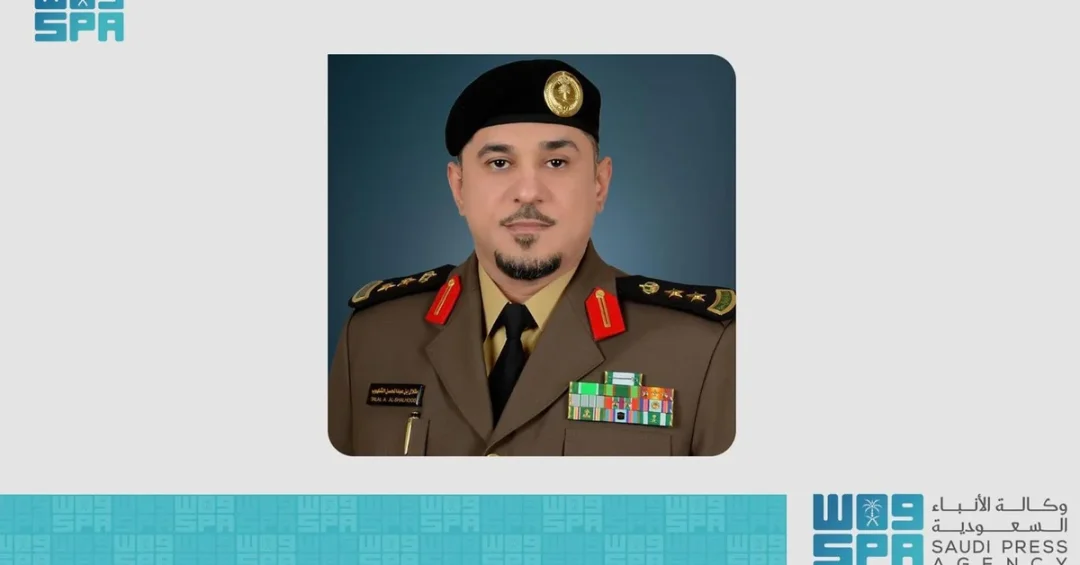
Riyadh, June 23, 2024 — Colonel Talal bin Abdul Mohsen bin Shalhoub, the security spokesman of the Ministry of Interior, confirmed the success of the 2024 Hajj season’s security plans, which were implemented well in advance following the directives of the wise leadership and under the continuous supervision of His Highness the Minister of Interior and Chairman of the Supreme Hajj Committee. In an interview with Al-Arabiya, Colonel Al-Shalhoub emphasized that the success of these measures is a testament to the coordinated efforts between various security, military, and government agencies, ensuring that pilgrims can perform their rituals safely, peacefully, and tranquilly.
Context and Background
The 2024 Hajj season presented significant logistical and security challenges, with millions of pilgrims converging on the holy sites. The Ministry of Interior, under the guidance of the Saudi leadership, implemented comprehensive plans to manage crowds, provide security, and ensure the well-being of all pilgrims. These efforts are part of Saudi Arabia’s ongoing commitment to facilitating the annual pilgrimage, a cornerstone of the Kingdom’s cultural and religious responsibilities.
Key Details
Colonel Al-Shalhoub reported that 83% of the total mortalities during the Hajj season, amounting to 1,079 out of 1,301, were among those without Hajj permits. He expressed his condolences to the families of the deceased and highlighted the proactive efforts to intensify media and awareness campaigns against performing Hajj without permits, as well as enforcing stricter penalties for violators.
He pointed out that some individuals have been abusing visit visas and other non-Hajj-specific visas. Furthermore, Colonel Al-Shalhoub noted that some tourism companies in several brotherly countries have deceived visit visa holders by issuing visas not intended for Hajj and encouraging them to violate regulations by staying in the holy capital two months before the Hajj season. He emphasized that a Hajj permit is not merely a transit card but a crucial tool that facilitates access to pilgrims and identifies their locations to provide necessary care and services promptly. The absence of a permit poses challenges in offering services and healthcare to violators.
Colonel Al-Shalhoub also mentioned the continuous updates through the Public Security’s official social media accounts about apprehending those who promote fake Hajj campaigns and referring them to the Public Prosecution. He appreciated the strict measures taken by some brotherly countries against these deceptive companies and the corrective actions they have implemented to prevent future violations.
Implications and Impact
The success of the 2024 Hajj security plans underscores Saudi Arabia’s capability to manage large-scale events and its dedication to the safety of pilgrims. The crackdown on unauthorized Hajj attempts and deceptive tourism companies reflects the Kingdom’s commitment to upholding regulations that ensure a smooth and secure pilgrimage experience for all. This also sends a strong message to potential violators and reinforces the importance of adhering to official procedures.
Vision 2030 Alignment
These efforts align with Saudi Vision 2030, which aims to enhance the quality of services provided to pilgrims and visitors, further solidifying the Kingdom’s role as a global leader in hosting religious tourism. By improving infrastructure, security, and legal frameworks, Saudi Arabia continues to demonstrate its dedication to the well-being of all guests and the sustainable development of its sacred sites.
20 Questions
Q1. Who is Colonel Talal bin Abdul Mohsen bin Shalhoub?
A1. Colonel Talal bin Abdul Mohsen bin Shalhoub is the security spokesman of the Ministry of Interior, responsible for communicating security-related information to the public and media.
Q2. What did Colonel Al-Shalhoub confirm about the 2024 Hajj season?
A2. He confirmed the success of the 2024 Hajj season’s security plans, which were implemented well in advance following the directives of the wise leadership.
Q3. What percentage of mortalities during Hajj were among those without Hajj permits?
A3. 83% of the total mortalities, amounting to 1,079 out of 1,301, were among those without Hajj permits.
Q4. What did Colonel Al-Shalhoub say about the cooperation between agencies?
A4. He emphasized that the success is a testament to the coordinated efforts between various security, military, and government agencies to ensure pilgrims’ safety.
Q5. What issue did Colonel Al-Shalhoub highlight regarding visit visas?
A5. Some individuals have been abusing visit visas and other non-Hajj-specific visas, which violates regulations and undermines the pilgrimage system.
Q6. What role did some tourism companies play in the violations?
A6. Some tourism companies in brotherly countries deceived visit visa holders by issuing visas not intended for Hajj and encouraging them to stay in the holy capital before Hajj.
Q7. Why is a Hajj permit described as crucial?
A7. A Hajj permit is not merely a transit card but a tool that facilitates access to pilgrims and identifies their locations to provide necessary care and services promptly.
Q8. What challenges arise from the absence of a permit?
A8. The absence of a permit poses challenges in offering services and healthcare to violators, as they are not registered in the system.
Q9. How is the Public Security addressing fake Hajj campaigns?
A9. The Public Security’s official social media accounts continuously update about apprehending those who promote fake Hajj campaigns and referring them to the Public Prosecution.
Q10. What measures have some brotherly countries taken?
A10. Some brotherly countries have taken strict measures against deceptive companies and implemented corrective actions to prevent future violations.
Q11. What was the total number of mortalities during Hajj 2024?
A11. The total number of mortalities was 1,301, with 1,079 being individuals without Hajj permits.
Q12. What is the Ministry of Interior’s role in Hajj?
A12. The Ministry of Interior oversees security plans and ensures the safety of pilgrims through coordinated efforts with other agencies.
Q13. What media campaigns are being conducted?
A13. Intensified media and awareness campaigns are conducted to educate against performing Hajj without permits and to highlight the penalties for violators.
Q14. How does Saudi Arabia support pilgrims with permits?
A14. Saudi Arabia provides comprehensive services including healthcare, security, and logistical support to pilgrims with valid permits.
Q15. What is the significance of the Hajj season for Saudi Arabia?
A15. The Hajj season is a cornerstone of Saudi Arabia’s cultural and religious responsibilities, showcasing the Kingdom’s capability to host millions of pilgrims.
Q16. How do the security plans align with Vision 2030?
A16. The plans align with Vision 2030 by enhancing services for pilgrims and reinforcing Saudi Arabia’s role as a global leader in religious tourism.
Q17. What penalties exist for violating Hajj regulations?
A17. Stricter penalties are enforced for violators, including fines and potential legal action, to deter unauthorized Hajj attempts.
Q18. What should pilgrims do to ensure a safe Hajj?
A18. Pilgrims should obtain a valid Hajj permit, follow official guidelines, and avoid dealing with unauthorized tourism companies.
Q19. How can the public report fake Hajj campaigns?
A19. The public can report through official channels, and the Public Security actively monitors and apprehends those promoting fake campaigns.
Q20. What is the overall message from the Ministry of Interior?
A20. The Ministry emphasizes the importance of adhering to regulations, obtaining proper permits, and cooperating to ensure a safe and peaceful Hajj for all.
Reader Feedback
We value your thoughts. Please share your feedback on this article.
Your feedback helps us improve our coverage.