


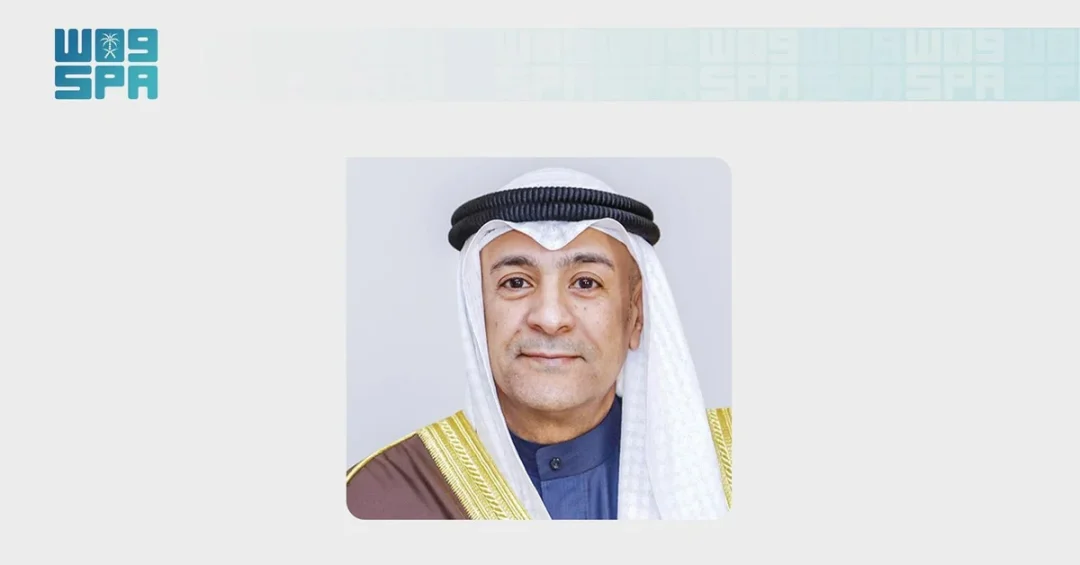
Secretary-General of the Gulf Cooperation Council (GCC) Jasem Albudaiwi affirmed that investing in youth is a key priority for the future of the GCC, speaking at the closing ceremony of a course organized by the Gulf Academy for Leaders and Innovation (GALI) in the United Kingdom on August 9, 2026. The event underscored the GCC’s commitment to empowering young people as the main pillar of the region’s development and prosperity.
Context and Background
The Gulf Academy for Leaders and Innovation (GALI) is a premier institution dedicated to nurturing leadership and innovation skills among youth from the GCC member states: Bahrain, Kuwait, Oman, Qatar, Saudi Arabia, and the United Arab Emirates. The course in the United Kingdom brought together promising young leaders to enhance their capabilities and prepare them for future roles. Albudaiwi’s participation highlights the GCC’s strategic focus on human capital development, a core component of Saudi Arabia’s Vision 2030 and similar initiatives across the region.
Key Details
In his speech, Albudaiwi emphasized that GCC leaders place great importance on youth, prioritizing investment in their capabilities, skills development, and empowerment. He stated, “Youth represent the main pillar of the future of the GCC states and the key driver of its development and prosperity journey.” He further noted that the GCC seeks to provide a supportive environment for youth, offering opportunities to acquire knowledge and experience, and enabling them to transform ideas into initiatives that serve their societies. Albudaiwi expressed pride in the promising energies and ambitions of GCC youth, underscoring that investing in them is a direct investment in the future of the GCC.
Implications and Impact
This emphasis on youth empowerment has significant implications for the region and beyond. By fostering a skilled and innovative younger generation, the GCC aims to diversify economies, reduce dependence on oil, and drive sustainable growth. Saudi Arabia, under Vision 2030, has launched numerous youth-focused programs, such as the Misk Foundation and the National Transformation Program, which align with the GCC’s broader goals. The international setting of the course in the United Kingdom also reflects the GCC’s openness to global collaboration and knowledge exchange, enhancing its competitiveness on the world stage.
Vision 2030 Alignment
Saudi Arabia’s Vision 2030 places youth at the heart of its transformative agenda, recognizing them as essential to building a vibrant society and a thriving economy. The Kingdom’s investments in education, entrepreneurship, and leadership development mirror the GCC’s collective efforts. As Albudaiwi’s remarks make clear, empowering youth is not only a regional priority but a strategic imperative that will shape the future of the GCC and its global role. Through continued collaboration and innovation, the GCC and Saudi Arabia are paving the way for a prosperous and dynamic tomorrow.
20 Questions
Q1. What event did Jasem Albudaiwi attend in the United Kingdom?
A1. He participated in the closing ceremony of a course organized by the Gulf Academy for Leaders and Innovation (GALI) on August 9, 2026, which aimed to empower GCC youth.
Q2. Who is Jasem Albudaiwi?
A2. Jasem Albudaiwi is the Secretary-General of the Gulf Cooperation Council (GCC), representing the six member states and advocating for regional cooperation and development.
Q3. What is the Gulf Academy for Leaders and Innovation (GALI)?
A3. GALI is a specialized institution that trains and develops young leaders from GCC countries, focusing on innovation and leadership skills to prepare them for future challenges.
Q4. Why does the GCC prioritize investing in youth?
A4. The GCC views youth as the main pillar of its future and the key driver of development, believing that their empowerment is essential for sustained prosperity and global competitiveness.
Q5. How does the GCC support youth empowerment?
A5. The GCC provides a supportive environment, offers opportunities for knowledge and experience, and helps youth transform ideas into initiatives that benefit society.
Q6. What did Albudaiwi say about GCC youth?
A6. He expressed pride in their promising energies and ambitions, stating that investing in them is a direct investment in the future of the GCC and its journey.
Q7. Which countries are members of the GCC?
A7. The GCC comprises Bahrain, Kuwait, Oman, Qatar, Saudi Arabia, and the United Arab Emirates, working together for regional integration and development.
Q8. How does Saudi Arabia’s Vision 2030 align with GCC youth initiatives?
A8. Vision 2030 prioritizes youth empowerment through education, entrepreneurship, and leadership programs, mirroring the GCC’s collective efforts to harness young talent for economic diversification.
Q9. What are some examples of Saudi youth programs?
A9. Saudi Arabia has launched initiatives like the Misk Foundation and the National Transformation Program, which focus on developing skills, fostering innovation, and creating opportunities for young people.
Q10. Why was the course held in the United Kingdom?
A10. The UK hosts the course to provide an international environment for knowledge exchange and collaboration, reflecting the GCC’s openness to global partnerships and advanced training.
Q11. What is the significance of Albudaiwi’s speech?
A11. His speech reinforces the GCC’s commitment to youth as a strategic priority, highlighting regional unity and the importance of human capital in achieving long-term goals.
Q12. How does youth empowerment contribute to economic diversification?
A12. By equipping youth with skills and innovation, GCC economies can reduce oil dependence, foster entrepreneurship, and build knowledge-based sectors for sustainable growth.
Q13. What role does the GCC play in regional development?
A13. The GCC promotes cooperation among member states, coordinates policies, and implements initiatives that drive economic, social, and cultural development across the region.
Q14. How can youth participate in shaping the future?
A14. Through education, skill development, and active involvement in initiatives, youth can contribute innovative ideas and drive progress in their societies and nations.
Q15. What challenges do GCC youth face?
A15. They face a rapidly changing world with evolving job markets, but GCC support helps them adapt, acquire new skills, and seize emerging opportunities.
Q16. How does the GCC measure the success of youth programs?
A16. Success is measured by the number of youth empowered, their contributions to society, and the region’s progress in innovation, entrepreneurship, and economic diversification.
Q17. What is the GCC’s vision for 2030 and beyond?
A17. The GCC envisions a prosperous, integrated region driven by empowered youth, sustainable development, and global competitiveness, aligning with member states’ national visions.
Q18. How does Saudi Arabia lead in youth empowerment within the GCC?
A18. Saudi Arabia spearheads youth initiatives through Vision 2030, investing heavily in education, technology, and entrepreneurship, setting a benchmark for other GCC states.
Q19. What can other countries learn from the GCC’s youth strategy?
A19. Other nations can learn the value of prioritizing youth as catalysts for development, fostering public-private partnerships, and creating supportive ecosystems for innovation and leadership.
Q20. What is the future outlook for GCC youth?
A20. With continued investment and support, GCC youth are poised to lead the region towards greater prosperity, innovation, and global influence in the coming decades.
Reader Feedback
We value your thoughts. Please share your feedback on this article.
Your feedback helps us improve our coverage.