


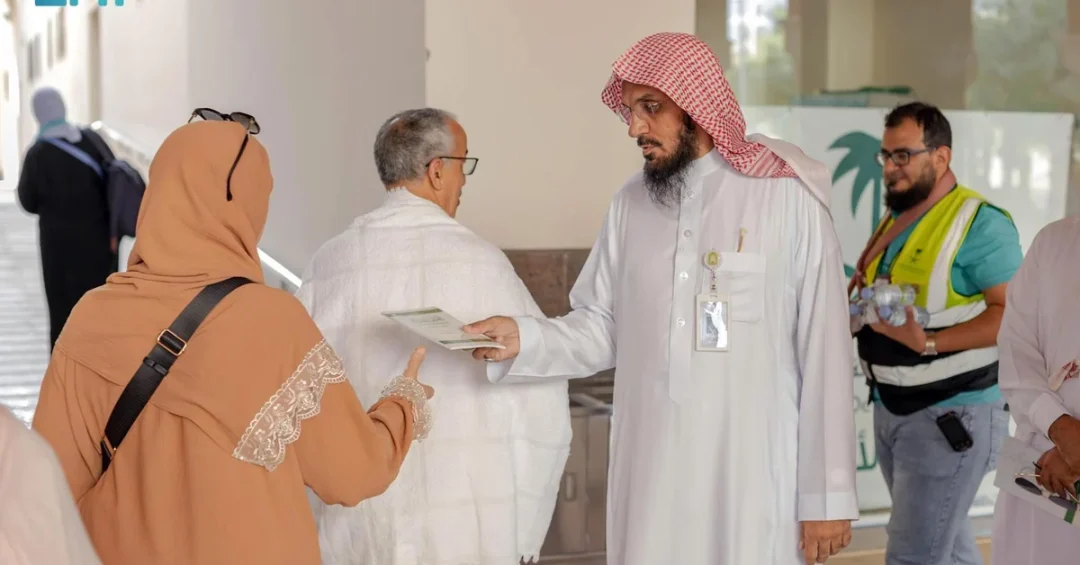
The Madinah Region branch of the Ministry of Islamic Affairs, Dawah and Guidance has announced the distribution of more than 46,000 books in multiple languages, along with identification barcodes, from the Islamic Electronic Library. The initiative, reported by the Saudi Press Agency (SPA), makes a vast collection of Islamic literature accessible via giant electronic screens at key entry points and mosques across the Madinah region, serving pilgrims and visitors from around the world.
Context and Background
The Ministry of Islamic Affairs, Dawah and Guidance oversees religious affairs in Saudi Arabia, including the publication and distribution of Islamic materials. The Islamic Electronic Library is a digital repository that aims to disseminate accurate and moderate Islamic knowledge. This distribution effort aligns with the ministry’s ongoing mission to support pilgrims and promote the true teachings of Islam.
Madinah, the second holiest city in Islam, receives millions of pilgrims annually, especially during the Hajj and Umrah seasons. The availability of religious texts in various languages at airports, land entry points, and mosques facilitates a smooth and spiritually fulfilling journey for visitors.
Key Details
The literature, displayed on giant electronic screens, is accessible at Prince Mohammed bin Abdulaziz International Airport in Madinah, Prince Abdulmohsen bin Abdulaziz Regional Airport in Yanbu, and the pilgrims’ city in Khaybar Governorate. Additionally, mosque visitors in Madinah can access these resources. The books and barcodes cater to a diverse audience, with materials available in several languages to accommodate non-Arabic speakers.
The barcodes likely enable users to quickly access digital versions of the books, bridging traditional and modern methods of learning. This approach reflects the ministry’s commitment to leveraging technology for religious education and outreach.
Implications and Impact
This initiative enhances the pilgrimage experience by providing easy access to authentic Islamic literature, helping pilgrims perform their rituals correctly and deepen their understanding of the faith. It also showcases Saudi Arabia’s dedication to serving Islam and Muslims worldwide, reinforcing its role as the guardian of the Two Holy Mosques.
By offering materials in multiple languages, the ministry ensures that the message of Islam reaches a global audience, fostering goodwill and intercultural understanding. The use of electronic screens and barcodes demonstrates a modern, efficient approach to dissemination, in line with Saudi Arabia’s Vision 2030 goals of enhancing the quality of services for pilgrims and embracing digital transformation.
Vision 2030 Alignment
This project supports Vision 2030 by improving the pilgrimage experience and promoting religious tourism. It aligns with the objectives of the Pilgrim Experience Program, which seeks to enrich the spiritual journey of pilgrims and increase the capacity to host more worshippers. Through such initiatives, Saudi Arabia continues to demonstrate its leadership in serving Islam and Muslims, while embracing innovation and modernity.
20 Questions
Q1. What is the Islamic Electronic Library?
A1. The Islamic Electronic Library is a digital collection of Islamic books and resources managed by the Ministry of Islamic Affairs, Dawah and Guidance, aimed at spreading accurate religious knowledge in multiple languages.
Q2. How many books were distributed?
A2. More than 46,000 books were made available, covering various Islamic topics and languages, to cater to the diverse needs of pilgrims and visitors.
Q3. Where are these books available?
A3. They are available at Prince Mohammed bin Abdulaziz International Airport in Madinah, Prince Abdulmohsen bin Abdulaziz Regional Airport in Yanbu, the pilgrims’ city in Khaybar, and mosques in Madinah.
Q4. Who benefits from this initiative?
A4. Pilgrims arriving by air and land, as well as mosque visitors in Madinah, benefit from easy access to authentic Islamic literature in multiple languages.
Q5. What is the role of the barcodes?
A5. The barcodes allow users to quickly access digital versions of the books, facilitating convenient reading and reference on electronic devices.
Q6. Why is this initiative important?
A6. It supports pilgrims in performing their rituals correctly and enhances their spiritual experience by providing reliable religious knowledge.
Q7. How does this reflect Saudi Arabia’s Vision 2030?
A7. It aligns with Vision 2030 by improving pilgrimage services, promoting religious tourism, and embracing digital innovation in line with the Pilgrim Experience Program.
Q8. What languages are the books available in?
A8. The books are available in several languages to accommodate non-Arabic speaking pilgrims, ensuring wider accessibility.
Q9. How are the books displayed?
A9. They are displayed on giant electronic screens, making them visible and accessible to a large number of visitors at key locations.
Q10. What is the significance of Madinah in this context?
A10. Madinah is the second holiest city in Islam, attracting millions of pilgrims annually, making it a prime location for distributing Islamic literature.
Q11. Who oversees this initiative?
A11. The Madinah Region branch of the Ministry of Islamic Affairs, Dawah and Guidance oversees the distribution and management of the library.
Q12. Can pilgrims access these books online?
A12. Yes, through the barcodes, pilgrims can access digital versions of the books online, allowing for convenient reading and reference.
Q13. How does this initiative promote moderate Islam?
A13. By providing authentic and moderate Islamic literature, it helps counter extremism and promotes the true, peaceful teachings of Islam.
Q14. What other services does the ministry provide?
A14. The ministry oversees mosques, religious education, publications, and various programs to serve pilgrims and promote Islamic values globally.
Q15. Is this initiative part of a larger program?
A15. Yes, it is part of the ministry’s ongoing efforts and the Pilgrim Experience Program under Vision 2030 to enhance pilgrimage services.
Q16. How does this benefit international visitors?
A16. It provides them with easy access to Islamic knowledge in their own languages, helping them understand and practice their faith correctly.
Q17. What is the expected impact on religious tourism?
A17. It enhances the pilgrimage experience, encouraging more visitors and showcasing Saudi Arabia’s commitment to serving Islam and Muslims.
Q18. Are the books free of charge?
A18. Yes, the books and digital resources are provided free of charge as part of the ministry’s public service mission.
Q19. How does this initiative use technology?
A19. It uses electronic screens and barcodes to digitize access, reflecting a modern approach to religious dissemination and aligning with digital transformation goals.
Q20. What is the source of this information?
A20. The information was released by the Saudi Press Agency (SPA), the official news agency of Saudi Arabia, ensuring its accuracy and reliability.
Reader Feedback
We value your thoughts. Please share your feedback on this article.
Your feedback helps us improve our coverage.