


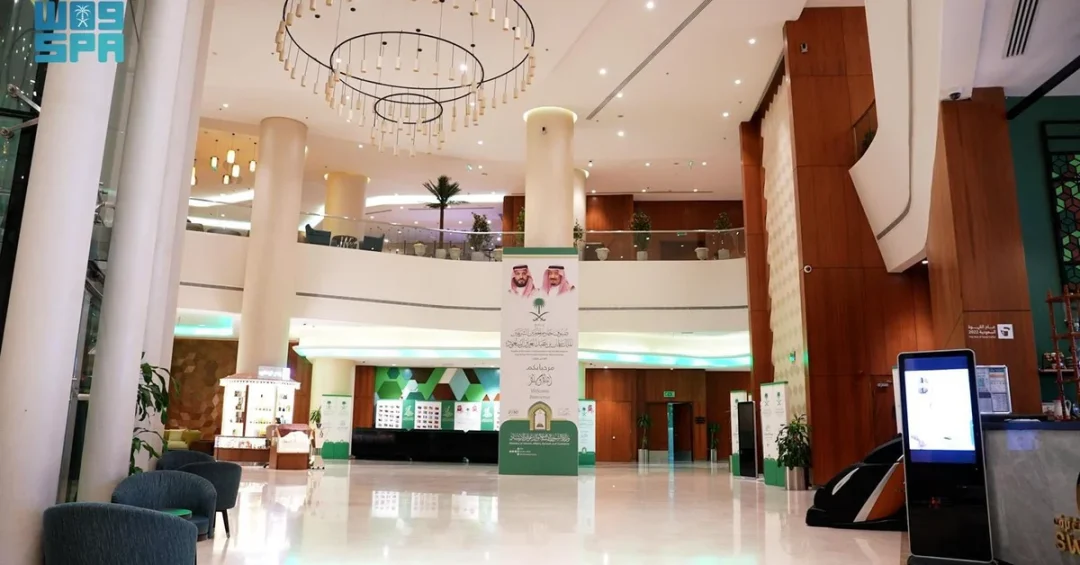
The Ministry of Islamic Affairs, Dawah, and Guidance has completed all preparations to receive 2,322 pilgrims from 88 countries who are guests of the Custodian of the Two Holy Mosques for this year’s Hajj season. The ministry, through its Program of the Guests of the Custodian of the Two Holy Mosques for Hajj, Umrah, and Visit, has established specialized work committees to ensure the highest level of service, enabling the guests to perform their Hajj rituals with ease and comfort.
Context and Background
The Program of the Guests of the Custodian of the Two Holy Mosques is a longstanding initiative that reflects the Kingdom’s dedication to serving pilgrims from around the world. Under the direct supervision of Dr. Abdullatif bin Abdulaziz Al Al-Sheikh, Minister of Islamic Affairs, Dawah, and Guidance and General Supervisor of the program, the ministry coordinates efforts to host distinguished guests, including scholars, Islamic figures, and individuals who have contributed to serving Islam and Muslims. This year’s program hosts 2,322 pilgrims from 88 countries, underscoring Saudi Arabia’s global role in facilitating Hajj and promoting Islamic solidarity.
Key Details
The ministry has formed several specialized committees to manage all aspects of the guests’ journey. These include committees for reception, housing, subsistence, movement, support services, media, technical support, and holy sites and religious affairs. Each committee works in harmony to implement the directives of the wise leadership, ensuring that pilgrims can focus on their spiritual experience. The program’s overarching goal is to emphasize the message of Saudi leadership in serving pilgrims and to provide a seamless and comfortable Hajj experience.
Implications and Impact
This initiative highlights Saudi Arabia’s unwavering commitment to serving the Guests of Allah and enhancing the Kingdom’s reputation as a global leader in Hajj management. By hosting pilgrims from diverse backgrounds, the program fosters international goodwill and showcases the Kingdom’s logistical capabilities. It also aligns with the objectives of Saudi Vision 2030, which aims to elevate the pilgrimage experience and increase the number of pilgrims through improved infrastructure and services.
Vision 2030 Alignment
The Program of the Guests of the Custodian of the Two Holy Mosques directly supports Vision 2030’s goal of enriching the Hajj and Umrah experience for millions of pilgrims. Through continuous improvements in services and facilities, Saudi Arabia seeks to accommodate a growing number of pilgrims while ensuring their comfort and safety. This initiative not only strengthens the Kingdom’s spiritual leadership but also contributes to economic diversification by boosting tourism and related sectors, further solidifying Saudi Arabia’s position as a global hub for Islamic hospitality.
20 Questions
Q1. What is the Program of the Guests of the Custodian of the Two Holy Mosques?
A1. It is an initiative by the Ministry of Islamic Affairs, Dawah, and Guidance to host distinguished pilgrims from around the world, allowing them to perform Hajj, Umrah, and visit the Prophet’s Mosque with full support.
Q2. How many pilgrims are hosted this year?
A2. This year, the program is hosting 2,322 pilgrims from 88 countries. They are provided with comprehensive services to ensure a comfortable and spiritually fulfilling Hajj experience.
Q3. Who supervises the program?
A3. The program is under the supervision of Dr. Abdullatif bin Abdulaziz Al Al-Sheikh, Minister of Islamic Affairs, Dawah, and Guidance, who also serves as the General Supervisor of the program.
Q4. What committees have been established for the program?
A4. Several committees have been formed, including those for reception, housing, subsistence, movement, support services, media, technical support, and holy sites and religious affairs.
Q5. What is the main goal of the program?
A5. The program aims to emphasize the message of Saudi leadership in serving pilgrims and to provide the highest level of services so guests can perform their rituals with ease and comfort.
Q6. How does the program reflect Saudi Arabia’s commitment to pilgrims?
A6. It demonstrates the Kingdom’s dedication to serving Guests of Allah by offering comprehensive support and hospitality, ensuring a seamless pilgrimage experience for all participants.
Q7. Which countries are represented among the guests?
A7. The guests come from 88 countries across the globe, representing diverse Islamic communities and reflecting the international scope of the program.
Q8. What services are provided to the guests?
A8. Guests receive services in reception, housing, subsistence, movement, support services, media, technical support, and religious guidance, all aimed at ensuring their comfort and safety.
Q9. How does the program align with Vision 2030?
A9. It supports Vision 2030 by enhancing the pilgrimage experience, increasing capacity, and promoting Saudi Arabia as a global leader in Islamic hospitality and tourism.
Q10. What is the significance of hosting these guests?
A10. Hosting guests from around the world strengthens Islamic solidarity, showcases Saudi Arabia’s logistical capabilities, and reinforces the Kingdom’s role as the custodian of the Two Holy Mosques.
Q11. When did the preparations for this year’s Hajj begin?
A11. Preparations began months in advance, with the ministry finalizing all arrangements by June 3, 2024, to ensure a smooth and successful program.
Q12. How are the guests selected for the program?
A12. Guests are typically distinguished individuals, including scholars, Islamic figures, and those who have contributed to serving Islam and Muslims, selected based on their merit and service.
Q13. What is the role of the media committee?
A13. The media committee is responsible for documenting the program’s activities, sharing the Kingdom’s message of hospitality, and providing timely information to local and international audiences.
Q14. How does the program ensure the comfort of elderly guests?
A14. Special arrangements, including accessible housing, transportation, and personal assistance, are made to cater to the needs of elderly and infirm pilgrims, ensuring their comfort and safety.
Q15. What religious services are offered to the guests?
A15. The holy sites and religious committee provides guidance, organizes visits to holy sites, and offers religious instruction to help guests perform their rituals correctly and meaningfully.
Q16. How does the program contribute to Saudi Arabia’s global image?
A16. It enhances the Kingdom’s reputation as a gracious host and a leader in serving pilgrims, demonstrating Saudi Arabia’s commitment to Islamic values and global peace.
Q17. What logistical support is provided for the guests’ movement?
A17. The movement committee coordinates transportation between holy sites, ensuring timely and safe travel via modern buses and vehicles, with routes optimized for comfort and efficiency.
Q18. How many countries are represented in this year’s program?
A18. Guests come from 88 countries, reflecting the program’s wide international reach and the diversity of the global Muslim community.
Q19. What is the expected outcome of the program?
A19. The program aims to enable guests to perform Hajj with ease, strengthen their connection to the holy sites, and leave with a positive impression of Saudi Arabia’s hospitality and organization.
Q20. How can other countries benefit from this program?
A20. By participating in the program, countries can see Saudi Arabia’s best practices in pilgrimage management, potentially inspiring improved services for pilgrims in their own nations and fostering international cooperation.
Reader Feedback
We value your thoughts. Please share your feedback on this article.
Your feedback helps us improve our coverage.