


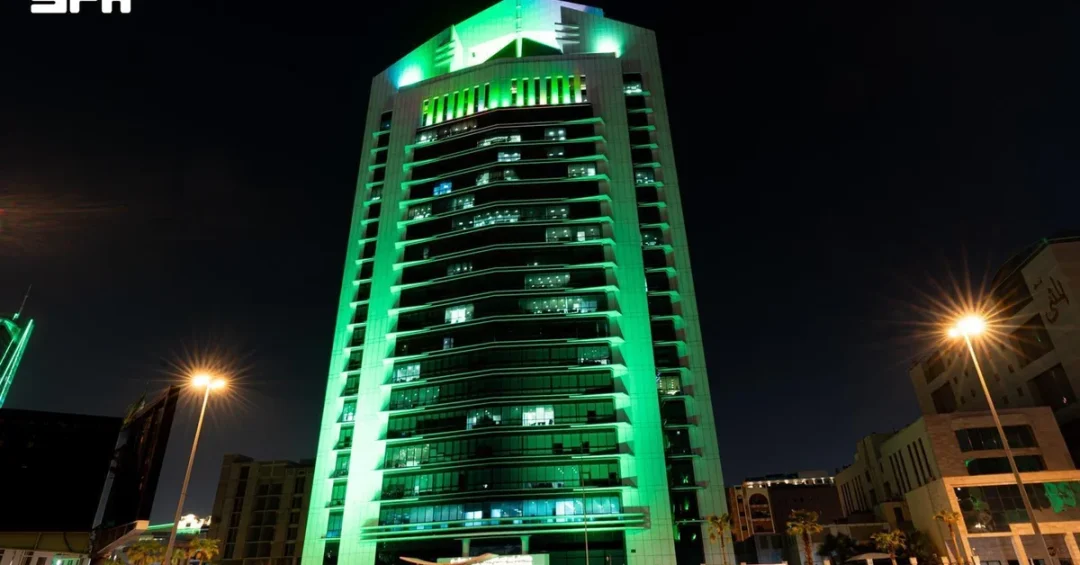
The Ministry of Islamic Affairs, Dawah and Guidance celebrated Saudi National Day through a wide-ranging series of media, cultural, and awareness programs and initiatives carried out across its branches, in coordination with religious attaché offices at Saudi embassies abroad, the Saudi Press Agency reported on September 24, 2026. The activities commemorated the Kingdom’s journey of unification and nation-building and reinforced the enduring values of loyalty, belonging, unity, and solidarity that underpin the Saudi national story. From digital platforms to ministry buildings adorned with national-themed displays, the programs reflected the ministry’s dual role as a guardian of religious guidance and a promoter of national cohesion, reaching audiences both inside the Kingdom and among Muslim communities worldwide.
The observance comes as Saudi Arabia continues to advance the ambitious transformation agenda of Vision 2030, a national blueprint that seeks to diversify the economy, strengthen social bonds, and elevate the Kingdom’s global standing. National Day, held each year on September 23, marks the unification of the Kingdom by the late King Abdulaziz bin Abdulrahman Al Saud, a historic achievement that the ministry’s programs placed at the center of public reflection. Through coordinated messaging, the ministry underscored how the security, stability, and unity achieved since unification remain foundational to the country’s present progress and future aspirations. How does a single annual occasion continue to resonate so deeply across generations and borders? The answer, officials suggest, lies in the shared identity and collective memory that National Day renews each year.
Context and Background
Why does the Ministry of Islamic Affairs, Dawah and Guidance play such a central role in national celebrations? The ministry, which oversees religious affairs, Islamic outreach, and the guidance of Muslim communities domestically and internationally, has long integrated national occasions into its mission of fostering ethical values and social harmony. Its network of branches across the Kingdom, combined with religious attaché offices at Saudi embassies abroad, allows it to reach a uniquely broad audience. This structure enables the ministry to communicate messages of unity and belonging not only to citizens and residents but also to Islamic preachers, scholars, and figures in numerous countries who look to Saudi Arabia for religious leadership and guidance.
The ministry’s National Day programming aligns with a long tradition of state institutions participating in national observances. Saudi National Day commemorates the royal decree issued in 1932 that formally established the Kingdom, following decades of effort by King Abdulaziz to unify the Arabian Peninsula. Since then, the occasion has evolved into a comprehensive national event featuring cultural performances, media campaigns, community initiatives, and official statements. For the Ministry of Islamic Affairs, the day offers an opportunity to connect religious values with patriotic sentiment, emphasizing that faith and national belonging reinforce one another. The ministry’s branches, mosques, and digital channels serve as conduits for these messages, ensuring they reach diverse segments of society.
In recent years, the ministry has expanded its digital outreach significantly, reflecting broader government efforts to modernize communication and engage younger audiences. This year’s National Day programming built on that momentum, combining traditional media activities with online content that highlights the Kingdom’s achievements and the principles that sustain its stability. The result is a multi-layered campaign that speaks to both longstanding religious traditions and contemporary communication practices.
Key Details of the Ministry’s Programs
What specific activities did the ministry undertake to mark the occasion? In coordination with religious attaché offices at Saudi embassies abroad, the ministry documented contributions, messages, and greetings from Islamic preachers, figures, and leaders in several countries. These international voices expressed their sentiments toward Saudi Arabia on its National Day, reflecting appreciation for the Kingdom, its leadership, and its people, as well as its standing among Muslims worldwide. The collection of these messages served as a testament to the Kingdom’s global religious significance and the respect it commands among Islamic communities.
As part of the accompanying media activities, the ministry’s accounts and digital platforms published dozens of designs, videos, and awareness and guidance materials. The content highlighted pride in Saudi National Day and the unity, security, and stability achieved by the Kingdom since its unification by the late King Abdulaziz bin Abdulrahman Al Saud. These digital assets were designed to be shareable and accessible, extending the reach of the ministry’s message beyond traditional audiences. The ministry also published messages emphasizing the importance of unity and solidarity, safeguarding the nation’s security and resources, and strengthening belonging and national cohesion.
Ministry buildings, headquarters, and branches across Saudi Arabia were adorned with national-themed displays, including banners, signs, and screens featuring messages from the Saudi leadership on the occasion. These visual installations transformed government spaces into sites of public celebration, reinforcing the sense of shared purpose that National Day inspires. The displays also served an educational function, reminding visitors and employees alike of the Kingdom’s founding principles and the responsibilities of citizenship. By integrating physical and digital elements, the ministry created a cohesive campaign that reached people in their workplaces, communities, and online spaces.
International and Regional Impact
How do the ministry’s international outreach efforts shape perceptions of Saudi Arabia abroad? The documentation of greetings from Islamic preachers and leaders in several countries underscores the Kingdom’s role as a unifying force within the global Muslim community. These messages, collected through religious attaché offices, reflect a deep appreciation for Saudi Arabia’s leadership in serving Islam and Muslims, including its stewardship of the Two Holy Mosques and its facilitation of the Hajj and Umrah pilgrimages. By amplifying these voices, the ministry reinforces the Kingdom’s soft power and its reputation as a reliable partner in religious and humanitarian affairs.
Regionally, the National Day programs contribute to a broader narrative of stability and progress in the Middle East. At a time when many parts of the world face uncertainty, Saudi Arabia’s consistent emphasis on unity, security, and development offers a counterpoint. The ministry’s messaging highlights the Kingdom’s achievements and its commitment to peaceful coexistence, which resonates with international partners and observers. The inclusion of international voices also signals that Saudi Arabia’s national celebration is not an isolated event but part of a wider conversation about the role of faith and community in modern society.
Economic and Strategic Significance
What economic and strategic dimensions underpin these celebratory programs? National Day observances, while cultural and religious in nature, also carry economic significance. They stimulate public engagement, support local businesses through increased activity, and reinforce the social cohesion that is essential for sustained economic development. The Ministry of Islamic Affairs’ programs contribute to this environment by fostering a sense of shared identity and purpose, which in turn supports the stability that investors and entrepreneurs value. Moreover, the ministry’s digital content production and distribution reflect the growing capacity of Saudi institutions to operate effectively in the digital economy.
Strategically, the ministry’s activities align with the Kingdom’s broader efforts to project a positive image internationally and to strengthen ties with Muslim-majority countries. By documenting and sharing greetings from Islamic leaders, the ministry reinforces diplomatic relationships and people-to-people connections. These efforts complement the work of other Saudi institutions, including the Ministry of Foreign Affairs and the Ministry of Hajj and Umrah, in positioning the Kingdom as a global leader in religious diplomacy. The National Day programs thus serve as a soft-power instrument that supports Saudi Arabia’s foreign policy objectives and its Vision 2030 goal of enhancing international engagement.
Vision 2030 Alignment
How does the Ministry of Islamic Affairs’ National Day programming connect to Vision 2030? Vision 2030 emphasizes the importance of a vibrant society, a thriving economy, and an ambitious nation. The ministry’s focus on unity, belonging, and national cohesion directly supports the social pillar of the vision, which seeks to strengthen national identity and values. By celebrating the Kingdom’s history and achievements, the ministry helps cultivate the pride and optimism that drive citizen participation in the transformation agenda. Its digital outreach also aligns with the vision’s goal of a more digitally enabled government that communicates effectively with all segments of society.
Looking ahead, the ministry’s continued integration of national occasions into its religious and guidance mission will remain a key element of Saudi Arabia’s social fabric. As the Kingdom advances toward 2030 and beyond, such programs will help ensure that the values of loyalty, belonging, and solidarity remain central to the national experience. The ministry’s efforts reflect a broader understanding that sustainable development depends not only on economic growth but also on the strength of community bonds and shared purpose. In this way, the celebration of National Day becomes more than a commemoration; it becomes a reaffirmation of the collective commitment to Saudi Arabia’s bright future.
20 Questions
Q1. What occasion did the Ministry of Islamic Affairs, Dawah and Guidance celebrate?
A1. The ministry celebrated Saudi National Day, commemorating the Kingdom’s unification and nation-building journey. The programs reinforced loyalty, belonging, unity, and solidarity, reflecting pride in Saudi Arabia’s history and its ongoing progress under its leadership.
Q2. When did the ministry carry out these programs?
A2. The programs were carried out around September 24, 2026, as reported by the Saudi Press Agency. They coincided with the annual National Day observance on September 23, which marks the unification of the Kingdom in 1932.
Q3. Which ministry organized the National Day activities?
A3. The Ministry of Islamic Affairs, Dawah and Guidance organized the activities across its branches. The ministry oversees religious affairs, Islamic outreach, and guidance, and works in coordination with religious attaché offices at Saudi embassies abroad.
Q4. What types of programs were included in the celebration?
A4. The celebration included media, cultural, and awareness programs and initiatives. These encompassed digital content, international greetings from Islamic figures, national-themed displays at ministry buildings, and messages emphasizing unity, security, and national cohesion.
Q5. How did the ministry involve international Islamic figures?
A5. In coordination with religious attaché offices at Saudi embassies, the ministry documented contributions, messages, and greetings from Islamic preachers, figures, and leaders in several countries. They expressed appreciation for Saudi Arabia, its leadership, and its people.
Q6. What did the international figures say about Saudi Arabia?
A6. The international figures expressed their sentiments toward Saudi Arabia on its National Day, reflecting appreciation for the Kingdom, its leadership, and its people, as well as its standing among Muslims worldwide. Their messages highlighted the Kingdom’s global religious significance.
Q7. What digital content did the ministry publish?
A7. The ministry’s accounts and digital platforms published dozens of designs, videos, and awareness and guidance materials. The content highlighted pride in National Day and the unity, security, and stability achieved since the Kingdom’s unification by King Abdulaziz bin Abdulrahman Al Saud.
Q8. How were ministry buildings decorated for the occasion?
A8. Ministry buildings, headquarters, and branches across Saudi Arabia were adorned with national-themed displays, including banners, signs, and screens featuring messages from the Saudi leadership. These displays reinforced the celebratory atmosphere and reminded visitors of the Kingdom’s founding principles.
Q9. What messages did the ministry emphasize during the celebration?
A9. The ministry published messages emphasizing the importance of unity and solidarity, safeguarding the nation’s security and resources, and strengthening belonging and national cohesion. These themes reflect the ministry’s commitment to fostering social harmony and national pride.
Q10. Who was King Abdulaziz bin Abdulrahman Al Saud?
A10. King Abdulaziz bin Abdulrahman Al Saud was the founder of the modern Kingdom of Saudi Arabia. He unified the country and established it in 1932. His legacy of leadership, unity, and nation-building is central to National Day commemorations.
Q11. Why is Saudi National Day significant?
A11. Saudi National Day marks the unification of the Kingdom and the establishment of its modern state. It is a time to reflect on the nation’s journey, celebrate its achievements, and reaffirm the values of loyalty, belonging, and solidarity that unite its people.
Q12. How does the ministry’s celebration reflect Saudi Arabia’s religious leadership?
A12. By collecting greetings from Islamic preachers and leaders worldwide, the ministry highlights Saudi Arabia’s role as a global religious leader. Its stewardship of the Two Holy Mosques and service to pilgrims reinforce its standing among Muslims internationally.
Q13. What role do religious attaché offices play?
A13. Religious attaché offices at Saudi embassies abroad coordinate with the ministry to document and share messages from Islamic figures in various countries. They help extend the ministry’s outreach and strengthen the Kingdom’s religious and cultural ties globally.
Q14. How do these programs support Vision 2030?
A14. The programs support Vision 2030 by strengthening national identity, social cohesion, and digital communication. They align with the vision’s goal of a vibrant society and an ambitious nation, fostering pride and participation in the Kingdom’s transformation.
Q15. What is the economic significance of National Day programs?
A15. National Day programs stimulate public engagement and support local activity, contributing to social stability that underpins economic development. They also showcase the digital capabilities of Saudi institutions, aligning with the digital economy goals of Vision 2030.
Q16. How does the ministry engage younger audiences?
A16. The ministry engages younger audiences through its digital platforms, publishing shareable designs, videos, and awareness materials. This modern approach reflects broader government efforts to communicate effectively and connect with youth in the digital age.
Q17. What values does the ministry seek to reinforce?
A17. The ministry seeks to reinforce loyalty, belonging, unity, and solidarity. These values are central to Saudi national identity and are promoted through religious guidance, media campaigns, and community initiatives throughout the year.
Q18. How does the celebration reflect Saudi Arabia’s stability?
A18. The celebration highlights the security and stability achieved since unification. By showcasing national unity and progress, the ministry reinforces the Kingdom’s reputation as a stable and prosperous nation committed to the well-being of its people.
Q19. What is the ministry’s broader mission?
A19. The Ministry of Islamic Affairs, Dawah and Guidance oversees religious affairs, Islamic outreach, and guidance domestically and internationally. It promotes ethical values, social harmony, and national cohesion while serving the religious needs of Muslims.
Q20. What does the future hold for such National Day programs?
A20. Such programs will likely continue to evolve, integrating digital innovation and expanding international outreach. They will remain a key part of Saudi Arabia’s social fabric, reinforcing national values as the Kingdom advances toward Vision 2030 and beyond.
Reader Feedback
We value your thoughts. Please share your feedback on this article.
Your feedback helps us improve our coverage.
Related articles
 Cluster2 Airports Marks Saudi National Day with Passengers
 Border Guard Exhibition Marks Saudi National Day in Jeddah
 Saudi Arabia to Join COFO28, World Forest Week in Rome
 Social Development Bank supports small businesses at Arar festival
 Saudi Arabia Advances Global Maritime Transport on World Maritime Day
 Saudi Mission in Geneva Hosts National Day Reception