


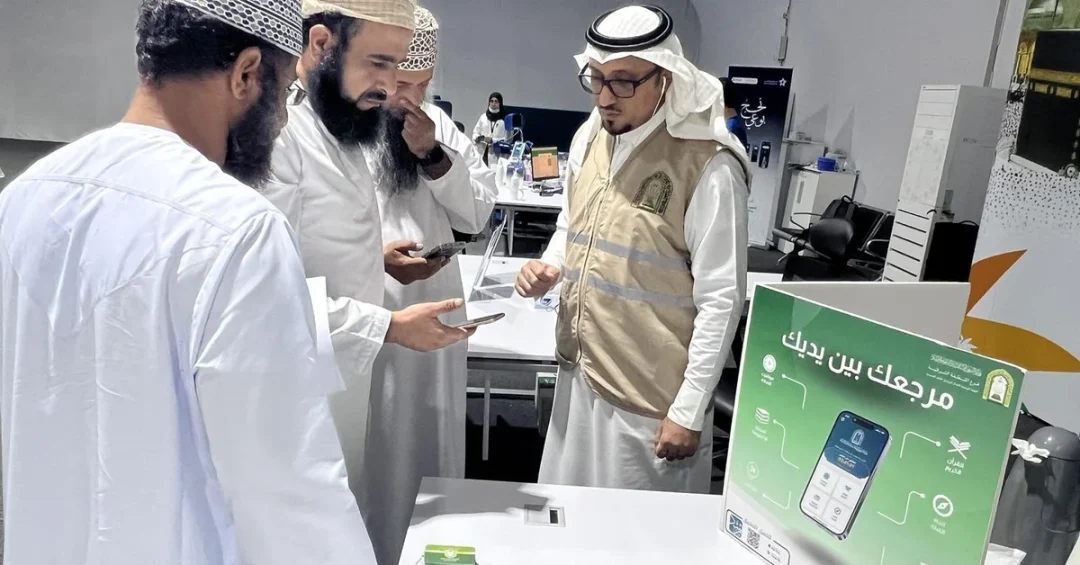
The Ministry of Islamic Affairs, Dawah, and Guidance has welcomed 4,693 pilgrims arriving through the Batha border crossing in the Eastern Region, as part of its ongoing efforts to facilitate a smooth and spiritually enriching Hajj journey. The ministry’s Eastern Region branch continues to provide essential services and guidance to pilgrims, ensuring they are well-prepared to perform the Hajj rituals correctly.
Context and Background
The Batha border crossing is a vital entry point for pilgrims traveling to the Kingdom of Saudi Arabia from neighboring countries, particularly those coming by land from the east. The Ministry of Islamic Affairs, Dawah, and Guidance, under the leadership of Minister Sheikh Dr. Abdullatif bin Abdulaziz Al Al-Sheikh, has a long-standing mandate to serve pilgrims and provide them with the necessary religious and logistical support. This initiative aligns with the Kingdom’s broader commitment to ensuring that all pilgrims can perform Hajj with ease and focus on their spiritual duties.
In recent years, Saudi Arabia has invested significantly in upgrading border crossings and expanding services for pilgrims. These efforts are part of a comprehensive strategy to enhance the Hajj experience, which includes digitalization, infrastructure improvements, and the distribution of educational materials. The Ministry’s work at Batha reflects these priorities, combining practical assistance with religious guidance.
Key Details
According to official Saudi Press Agency reports, the Ministry of Islamic Affairs, Dawah, and Guidance has distributed approximately 16,900 religious publications that detail the rites of Hajj. These materials are designed to help pilgrims understand and correctly perform the rituals, ensuring their pilgrimage is valid and fulfilling. In addition, more than 8,000 gifts, including flowers and umbrellas, have been handed out in cooperation with various entities in the Eastern Region. These gifts not only provide comfort but also symbolize the warm welcome extended to the guests of God.
The ministry’s efforts at Batha are part of a larger operation that involves multiple government agencies working in coordination. The Eastern Region branch has been active in receiving pilgrims, offering guidance, and distributing resources. This comprehensive approach ensures that pilgrims receive support from the moment they enter the Kingdom until they complete their Hajj.
Implications and Impact
The reception of 4,693 pilgrims at Batha highlights the Kingdom’s capacity to manage large influxes of visitors during the Hajj season. It also underscores Saudi Arabia’s role as a global leader in serving pilgrims and facilitating one of the world’s largest annual religious gatherings. The distribution of publications and gifts not only aids pilgrims in their spiritual journey but also enhances the Kingdom’s reputation for hospitality and efficiency. This initiative has positive implications for regional cooperation, as it involves coordination with neighboring countries and various entities within Saudi Arabia.
Moreover, the success of such operations contributes to the overall safety and security of the Hajj, which is a top priority for the Saudi government. By providing clear guidance and resources, the Ministry helps prevent potential issues that could arise from a lack of knowledge about the rituals, thereby ensuring a smooth and orderly pilgrimage for all.
Vision 2030 Alignment
This initiative is closely aligned with Saudi Vision 2030, which aims to enhance the quality of services provided to pilgrims and visitors. Under Vision 2030, the Kingdom seeks to increase the number of Hajj and Umrah pilgrims to 30 million by 2030, while continuously improving the infrastructure and services at entry points like Batha. The Ministry’s work reflects the vision’s emphasis on enriching the spiritual experience and ensuring that the guests of God are treated with the utmost care and respect. As Saudi Arabia continues to modernize and expand its capabilities, such efforts at border crossings demonstrate the Kingdom’s unwavering commitment to serving Islam’s holiest sites and their visitors.
20 Questions
Q1. What is the Batha border crossing and why is it important for pilgrims?
A1. The Batha border crossing is a key entry point for pilgrims traveling to Saudi Arabia by land, particularly from neighboring countries to the east. It facilitates the arrival of thousands of pilgrims and is equipped with services to ensure a smooth entry and a warm welcome.
Q2. How many pilgrims have arrived through Batha so far?
A2. According to the Ministry of Islamic Affairs, Dawah, and Guidance, 4,693 pilgrims have arrived through the Batha border crossing so far. This number reflects the ongoing flow of pilgrims as the Hajj season progresses.
Q3. What types of publications were distributed to the pilgrims?
A3. The ministry distributed approximately 16,900 religious publications that provide detailed information about Hajj rituals. These materials are designed to help pilgrims perform the rituals correctly and enhance their understanding of the pilgrimage.
Q4. What gifts were given to the pilgrims?
A4. Over 8,000 gifts were distributed, including flowers and umbrellas. These gifts were provided in cooperation with several entities in the Eastern Region and are intended to offer comfort and express hospitality to the pilgrims.
Q5. Which government body is responsible for welcoming pilgrims at Batha?
A5. The Ministry of Islamic Affairs, Dawah, and Guidance, specifically its branch in the Eastern Region, is responsible for welcoming and assisting pilgrims at the Batha crossing. The ministry works in coordination with other local entities.
Q6. Why is it important to distribute religious publications to pilgrims?
A6. Distributing religious publications ensures that pilgrims have accurate information about Hajj rituals, which helps them perform the rites correctly and avoid common mistakes. This enhances the spiritual experience and ensures the validity of their pilgrimage.
Q7. How does this initiative reflect Saudi Arabia’s commitment to pilgrims?
A7. This initiative demonstrates Saudi Arabia’s dedication to serving the guests of God by providing essential guidance, resources, and comforts. It reflects the Kingdom’s broader efforts to facilitate Hajj and ensure a seamless experience for all pilgrims.
Q8. What is the role of the Eastern Region branch of the ministry?
A8. The Eastern Region branch oversees the reception and support of pilgrims entering through the Batha crossing. It coordinates the distribution of publications and gifts, and works with other agencies to ensure pilgrims receive the necessary assistance.
Q9. How many gifts were distributed and what did they include?
A9. More than 8,000 gifts were distributed, including flowers and umbrellas. These items were given in cooperation with various entities in the region to provide comfort and show hospitality to the pilgrims.
Q10. What other entities cooperated in this initiative?
A10. Several other entities in the Eastern Region cooperated in this initiative, though specific names were not provided. This collaboration reflects the coordinated effort across government and local organizations to serve pilgrims effectively.
Q11. How does this initiative align with Vision 2030?
A11. The initiative aligns with Vision 2030 by enhancing the quality of services for pilgrims and contributing to the goal of increasing the number of Hajj and Umrah pilgrims to 30 million. It showcases the Kingdom’s commitment to improving the pilgrim experience.
Q12. What is the significance of the Batha crossing for land pilgrims?
A12. The Batha crossing is a crucial gateway for land pilgrims, especially those from neighboring countries. It provides a streamlined entry process and essential services, ensuring that pilgrims begin their spiritual journey with ease and support.
Q13. How does the ministry ensure pilgrims perform Hajj rituals correctly?
A13. The ministry distributes detailed religious publications that explain the rites of Hajj step by step. These materials, combined with on-ground guidance from ministry staff, help pilgrims perform the rituals accurately and with confidence.
Q14. What is the total number of pilgrims expected through Batha this season?
A14. The total number is not specified, but the arrival of 4,693 pilgrims so far indicates a steady flow. The ministry continues to welcome pilgrims as they arrive throughout the Hajj season.
Q15. How do the gifts contribute to the pilgrims’ experience?
A15. The gifts, such as flowers and umbrellas, provide practical comfort and convey a message of care and respect. They enhance the pilgrims’ overall experience and reflect the Kingdom’s hospitality and attention to detail.
Q16. What measures are in place to handle large numbers of pilgrims at Batha?
A16. The ministry, in coordination with other agencies, has implemented efficient reception procedures, including the distribution of guidance materials and gifts. These measures ensure orderly processing and support for all pilgrims entering through the crossing.
Q17. How does this initiative support the spiritual journey of pilgrims?
A17. By providing accurate religious information and practical items, the initiative helps pilgrims focus on their spiritual duties without logistical worries. It ensures they are well-prepared to perform Hajj rituals correctly and meaningfully.
Q18. What is the Ministry of Islamic Affairs’ broader role during Hajj?
A18. The ministry oversees religious guidance, distributes educational materials, and ensures that pilgrims have the resources they need to perform Hajj properly. It also coordinates with other agencies to provide comprehensive support throughout the Hajj season.
Q19. How does the reception at Batha reflect Saudi Arabia’s hospitality?
A19. The warm reception, including the distribution of gifts and guidance, exemplifies Saudi Arabia’s tradition of hospitality and its commitment to treating pilgrims as honored guests. It showcases the Kingdom’s dedication to serving all pilgrims with respect and care.
Q20. What are the future plans for improving services at Batha and other crossings?
A20. Under Vision 2030, Saudi Arabia plans to continue enhancing infrastructure and services at border crossings, including Batha, to accommodate more pilgrims and improve their experience. These efforts aim to ensure seamless and spiritually fulfilling journeys for all.
Reader Feedback
We value your thoughts. Please share your feedback on this article.
Your feedback helps us improve our coverage.