


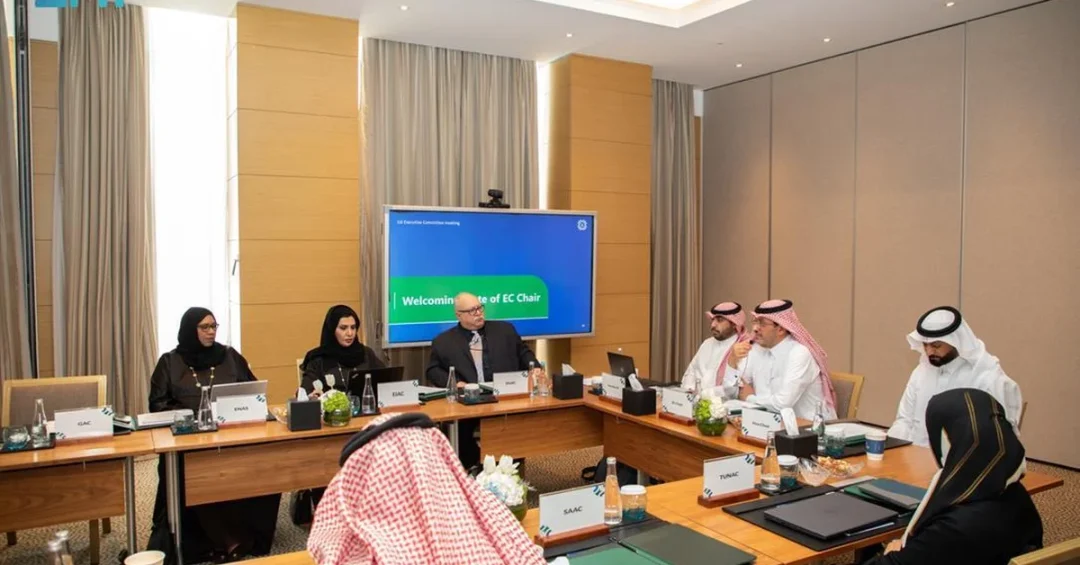
The Islamic Forum for Halal Accreditation Bodies (IFHAB) convened its inaugural executive committee meeting in Riyadh on May 29, 2024, marking a significant step in unifying halal accreditation standards across Organization of Islamic Cooperation (OIC) member states. The meeting brought together committee members representing accreditation bodies from OIC countries and commenced with the election of the executive committee for its inaugural term.
Context and Background
The establishment of IFHAB comes at a time when the global halal industry is experiencing rapid growth, with an estimated market value surpassing $2 trillion. As demand for halal products and services increases worldwide, the need for harmonized accreditation standards has become critical. The forum aims to facilitate mutual recognition of halal certification among OIC member states, thereby reducing trade barriers and enhancing consumer confidence. Saudi Arabia, through the Saudi Standards, Metrology, and Quality Organization (SASO), has played a pivotal role in supporting IFHAB’s formation, reflecting the Kingdom’s commitment to fostering international cooperation in Islamic affairs.
Key Details
The opening session was chaired by Saud bin Rashed Al Askar, Deputy Governor of SASO. During the meeting, Adel bin Abdulrahman Alkeaid, representing the Saudi Accreditation Center, was elected as the committee’s chairman. Eng. Moteb Al-Mezani, representing the GCC Accreditation Center (GAC), was elected deputy chairman, and Badr bin Ibrahim Abdullatif was appointed as the forum’s secretary. Alkeaid presided over the committee meeting, addressing various topics outlined on the agenda and reviewing significant accomplishments. Discussions also addressed IFHAB’s bylaws, the establishment of forum committees, and other relevant matters.
Implications and Impact
The outcomes of this meeting are expected to have far-reaching implications for the global halal market. By standardizing accreditation processes, IFHAB will facilitate smoother trade flows of halal-certified goods and services among OIC member states. This harmonization is likely to boost consumer trust and open new markets for halal exporters. Furthermore, the forum’s work aligns with Saudi Arabia’s broader efforts to promote Islamic solidarity and economic integration within the Muslim world. The election of key officials from Saudi Arabia and the GCC underscores the Kingdom’s leadership role in this domain.
Vision 2030 Alignment
This initiative is closely tied to Saudi Arabia’s Vision 2030, which seeks to diversify the economy and enhance the Kingdom’s global influence. By spearheading the harmonization of halal standards, Saudi Arabia is positioning itself as a leader in the Islamic economy and a hub for halal trade. This aligns with Vision 2030’s goals of increasing non-oil exports and fostering international partnerships. The Kingdom’s active role in IFHAB demonstrates its commitment to driving sustainable development and cooperation across the Islamic world.
20 Questions
Q1. What is the Islamic Forum for Halal Accreditation Bodies (IFHAB)?
A1. IFHAB is an initiative that brings together accreditation bodies from Organization of Islamic Cooperation (OIC) member states to harmonize halal accreditation standards and promote mutual recognition, thereby facilitating international trade in halal products and services.
Q2. When and where did IFHAB hold its inaugural executive committee meeting?
A2. The inaugural executive committee meeting was held in Riyadh on May 29, 2024, marking the beginning of IFHAB’s operational activities and setting the stage for future collaboration among member states.
Q3. Who chaired the opening session of the IFHAB meeting?
A3. The opening session was chaired by Saud bin Rashed Al Askar, Deputy Governor of the Saudi Standards, Metrology, and Quality Organization (SASO), who guided the proceedings and facilitated the election of the executive committee.
Q4. Who was elected as the chairman of IFHAB’s executive committee?
A4. Adel bin Abdulrahman Alkeaid, representing the Saudi Accreditation Center, was elected as the chairman of the executive committee for its inaugural term, reflecting Saudi Arabia’s leadership in the initiative.
Q5. Who was elected as the deputy chairman of IFHAB?
A5. Eng. Moteb Al-Mezani, representing the GCC Accreditation Center (GAC), was elected as the deputy chairman of IFHAB’s executive committee, ensuring representation from the Gulf region.
Q6. Who was appointed as the secretary of the forum?
A6. Badr bin Ibrahim Abdullatif was appointed as the secretary of the forum, tasked with overseeing administrative duties and supporting the committee’s activities.
Q7. What are the main objectives of IFHAB?
A7. IFHAB aims to unify halal accreditation standards, facilitate mutual recognition among OIC member states, reduce trade barriers, and enhance consumer confidence in halal products and services globally.
Q8. Why is harmonization of halal standards important?
A8. Harmonization reduces confusion and costs for exporters, ensures consistent quality, and expands market access for halal products, thereby boosting trade and economic growth among OIC member states.
Q9. How does IFHAB benefit consumers?
A9. IFHAB’s work enhances consumer trust by ensuring that halal products meet consistent, high-quality standards, regardless of their origin, thus promoting confidence in halal certification.
Q10. What role does Saudi Arabia play in IFHAB?
A10. Saudi Arabia, through SASO and the Saudi Accreditation Center, has been instrumental in establishing IFHAB and continues to provide leadership, as evidenced by the election of Saudi representatives to key positions.
Q11. What was discussed at the inaugural meeting?
A11. The meeting covered IFHAB’s bylaws, the establishment of forum committees, and other relevant matters, along with a review of significant accomplishments and agenda topics.
Q12. How does IFHAB align with the OIC’s goals?
A12. IFHAB supports the OIC’s objectives of enhancing economic cooperation and integration among member states by promoting trade and standardization in the halal sector.
Q13. What is the expected impact of IFHAB on global halal trade?
A13. IFHAB is expected to streamline halal trade by reducing technical barriers, fostering mutual recognition of certifications, and increasing the global competitiveness of halal products from OIC countries.
Q14. How does IFHAB relate to Saudi Vision 2030?
A14. IFHAB supports Vision 2030 by diversifying Saudi Arabia’s economy, boosting non-oil exports, and positioning the Kingdom as a leader in the global halal economy.
Q15. What is the significance of the GCC Accreditation Center’s involvement?
A15. The GCC Accreditation Center’s involvement ensures regional representation and leverages the Gulf’s expertise in accreditation, strengthening IFHAB’s effectiveness and reach.
Q16. How will IFHAB operate in the future?
A16. IFHAB will function through its executive committee, technical committees, and member accreditation bodies, working collaboratively to develop and implement unified standards and procedures.
Q17. What are the next steps for IFHAB after this meeting?
A17. Next steps include implementing the decisions made, establishing committees, and continuing to engage member states to operationalize IFHAB’s objectives and expand its membership.
Q18. How can OIC member states benefit from IFHAB?
A18. Member states can benefit through increased halal exports, simplified certification processes, and enhanced credibility of their halal products in international markets.
Q19. What challenges does IFHAB aim to address?
A19. IFHAB addresses challenges such as differing standards, lack of mutual recognition, and trade barriers that hinder the smooth flow of halal goods among OIC countries.
Q20. Where can one find more information about IFHAB?
A20. More information can be obtained from official sources such as the Saudi Press Agency (SPA), SASO, and the Saudi Accreditation Center, which regularly publish updates on IFHAB’s activities.
Reader Feedback
We value your thoughts. Please share your feedback on this article.
Your feedback helps us improve our coverage.