


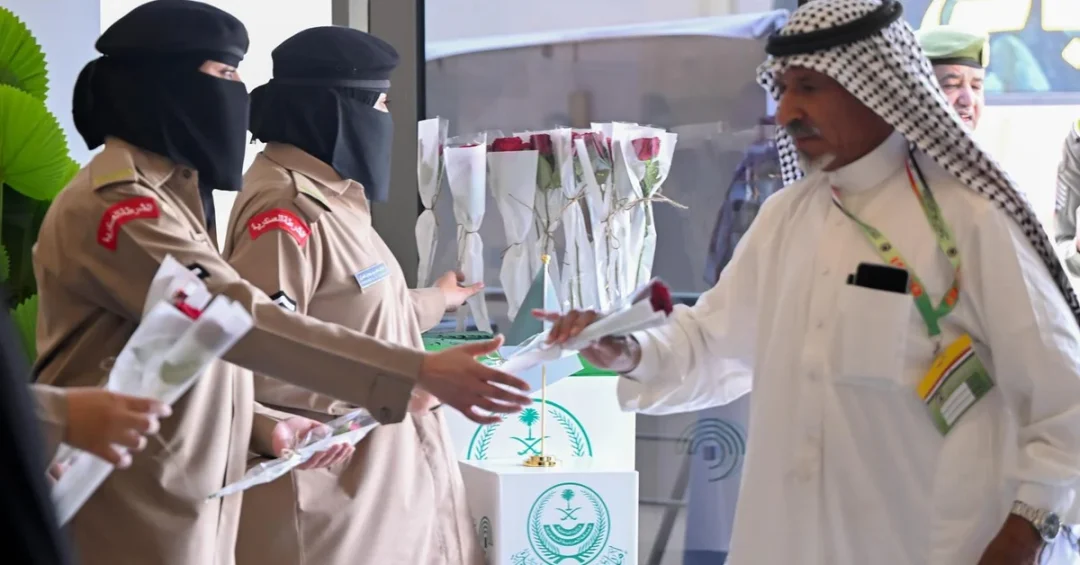
The Jadidah Arar border crossing today welcomed the first batch of pilgrims from Iraq, marking the beginning of the Hajj season with smooth and efficient entry procedures. The pilgrims were received with utmost care and hospitality, reflecting the Kingdom’s commitment to serving all pilgrims from the moment of their arrival until their safe return, as stated by the Saudi Press Agency (SPA).
Context and Background
The arrival of Iraqi pilgrims through the Jadidah Arar crossing is part of the Kingdom’s broader efforts to facilitate the annual Hajj pilgrimage, which draws millions of Muslims from around the world. The Northern Borders Region, where the crossing is located, plays a vital role in processing pilgrims arriving by land from neighboring countries. The Hajj Committee in the Northern Borders Region, under the direct supervision of the governor, has been working diligently to ensure that all procedures are completed quickly and that pilgrims receive all necessary services in cooperation with various stakeholders.
Key Details
Upon their arrival, the pilgrims expressed their gratitude and appreciation to the Kingdom’s government under the leadership of the Custodian of the Two Holy Mosques, King Salman bin Abdulaziz Al Saud, and His Royal Highness Prince Mohammed bin Salman bin Abdulaziz Al Saud, Crown Prince and Prime Minister. They commended the warm reception, hospitality, and the efficient entry procedures, as well as the health and medical services provided at the crossing. The smooth processing of this first batch sets a positive tone for the subsequent arrivals during the Hajj season.
Implications and Impact
The efficient handling of pilgrim entry at the Jadidah Arar crossing underscores Saudi Arabia’s dedication to ensuring a seamless pilgrimage experience for all. This also reflects the Kingdom’s broader diplomatic and humanitarian engagement with Muslim nations, particularly Iraq, fostering goodwill and mutual respect. The successful coordination between various government entities highlights the Kingdom’s capacity to manage large-scale events effectively, reinforcing its role as a leader in the Islamic world.
Vision 2030 Alignment
The reception of pilgrims at Jadidah Arar is not just a logistical achievement but also a testament to Saudi Arabia’s Vision 2030, which places a strong emphasis on enhancing the experience of pilgrims and visitors to the Two Holy Mosques. By investing in infrastructure and services, the Kingdom is modernizing the Hajj journey, making it more accessible and comfortable for the growing number of pilgrims each year. This aligns with the Vision’s goal of promoting cultural and religious tourism as part of a diversified economy, while reinforcing Saudi Arabia’s global standing as a welcoming and hospitable nation.
20 Questions
Q1. What is the Jadidah Arar border crossing?
A1. The Jadidah Arar border crossing is a land entry point between Saudi Arabia and Iraq, located in the Northern Borders Region. It is used for the passage of travelers and pilgrims, especially during the Hajj season, to facilitate their entry into the Kingdom.
Q2. When did the first batch of Iraqi pilgrims arrive?
A2. The first batch of pilgrims from Iraq arrived at the Jadidah Arar border crossing on May 22, 2024, as reported by the Saudi Press Agency. Their entry procedures were completed smoothly and efficiently.
Q3. Who oversees the Hajj procedures at the Jadidah Arar crossing?
A3. The Hajj Committee in the Northern Borders Region, under the direct supervision and follow-up of the governor of the region, oversees the Hajj procedures. The committee works in cooperation with stakeholders to ensure quick processing and the comfort of pilgrims.
Q4. What services are provided to pilgrims at the crossing?
A4. Pilgrims receive various services including health and medical care, hospitality, and efficient entry procedures. The Kingdom aims to serve pilgrims from the moment of arrival until their safe return, ensuring their comfort and well-being.
Q5. How did the Iraqi pilgrims react to their reception?
A5. The Iraqi pilgrims expressed gratitude and appreciation for the government of the Kingdom, praising the warm reception, hospitality, quick entry procedures, and health services provided at the Jadidah Arar border crossing.
Q6. Who is the Custodian of the Two Holy Mosques?
A6. The Custodian of the Two Holy Mosques is King Salman bin Abdulaziz Al Saud, the King of Saudi Arabia. He, along with Crown Prince Mohammed bin Salman, leads the government and oversees the care and services for pilgrims.
Q7. Why is the Jadidah Arar crossing important for Hajj?
A7. The Jadidah Arar crossing is a vital land route for pilgrims coming from Iraq. It enables the smooth and efficient entry of pilgrims, which is crucial for managing the large influx during the Hajj season and ensuring a positive experience.
Q8. What is the role of the Hajj Committee in the Northern Borders Region?
A8. The Hajj Committee is responsible for coordinating all procedures for pilgrims at the crossing, including entry processing and service provision. It works under the governor’s supervision to ensure quick and efficient handling, cooperating with other agencies.
Q9. Which Saudi authorities are involved in serving pilgrims?
A9. Various authorities concerned with Hajj and pilgrims affairs are involved, including the Hajj Committee, health authorities, and other government entities. They coordinate to provide comprehensive services to pilgrims.
Q10. How does this arrival relate to Saudi Arabia’s Vision 2030?
A10. The efficient management of pilgrim arrivals aligns with Vision 2030’s goal to enhance the experience of pilgrims and visitors. It also supports the development of the tourism sector, including religious tourism, as part of economic diversification.
Q11. What are the entry procedures for pilgrims at the Jadidah Arar crossing?
A11. Entry procedures typically involve document checks, customs clearance, and possibly health screenings. The procedures are streamlined to ensure quick processing, demonstrating the Kingdom’s commitment to serving pilgrims efficiently.
Q12. What is the significance of the first batch of pilgrims?
A12. The arrival of the first batch marks the official start of the Hajj season at this crossing. It sets the tone for the smooth flow of pilgrims and highlights the preparedness of Saudi authorities to handle the annual influx.
Q13. Are there any health services provided at the crossing?
A13. Yes, pilgrims receive health and medical services at the crossing, as acknowledged by the pilgrims themselves. These services are part of the Kingdom’s efforts to ensure the well-being of all pilgrims.
Q14. How does Saudi Arabia ensure the comfort of pilgrims?
A14. The Kingdom provides a range of services including hospitality, transportation, and health care, and aims to complete entry procedures quickly. The Hajj Committee and stakeholders work together to ensure pilgrims’ comfort from arrival to departure.
Q15. What gratitude did the pilgrims express?
A15. The pilgrims expressed their deep gratitude to the government of Saudi Arabia for the exceptional care and services provided by authorities concerned with Hajj affairs. They specifically praised the warm reception and efficient processing.
Q16. What is the role of Crown Prince Mohammed bin Salman in serving pilgrims?
A16. Crown Prince Mohammed bin Salman, as Prime Minister, plays a key role in overseeing government initiatives and ensuring the implementation of services for pilgrims. His vision, aligned with Vision 2030, aims to improve the pilgrimage experience.
Q17. How does the Kingdom cooperate with stakeholders for Hajj services?
A17. The Hajj Committee cooperates with various stakeholders, including security, health, and immigration authorities, to streamline procedures and provide necessary services. This coordination ensures a seamless experience for pilgrims.
Q18. What is the broader significance of Saudi-Iraqi relations in this context?
A18. The reception of Iraqi pilgrims strengthens bilateral ties and fosters mutual respect between Saudi Arabia and Iraq. It reflects the Kingdom’s role in serving the Islamic community and enhancing regional cooperation.
Q19. How does the efficient processing at Jadidah Arar impact the overall Hajj experience?
A19. Efficient processing at the entry point reduces waiting times and stress, allowing pilgrims to focus on the spiritual aspects of their journey. It contributes to a positive overall experience and enhances Saudi Arabia’s reputation as a host nation.
Q20. What can we expect for the rest of the Hajj season at this crossing?
A20. Building on the successful start, authorities will continue to ensure smooth procedures and high-quality services for all incoming pilgrims. The lessons learned will help maintain and improve services throughout the season, fulfilling the Kingdom’s commitment to every pilgrim.
Reader Feedback
We value your thoughts. Please share your feedback on this article.
Your feedback helps us improve our coverage.