


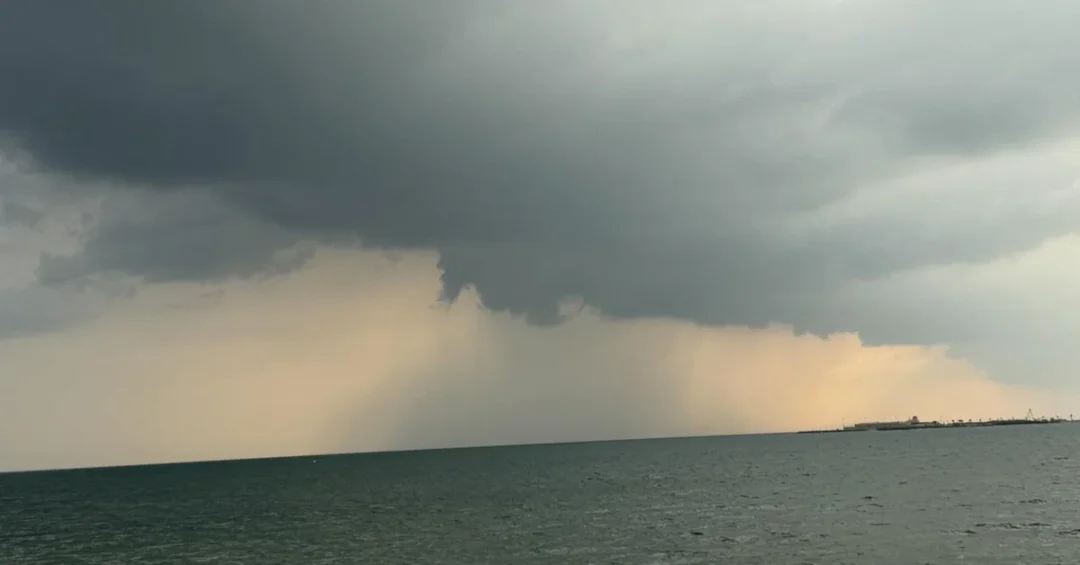
Jazan Region recorded the Kingdom of Saudi Arabia’s highest rainfall on Tuesday, October 6, 2026, at 33.7 millimeters, as the National Center for Meteorology (NCM) reported accompanying downdraft winds reaching 130 kilometers per hour. The rainfall affected the southwestern region amid broader rainy conditions across several parts of the Kingdom, with the NCM indicating that precipitation chances are expected to continue through the end of this week.
Context and Background
The rainfall event was documented by the National Center for Meteorology (NCM), Saudi Arabia’s official authority responsible for weather monitoring, forecasting, and climate data across the Kingdom. According to the NCM’s observations, the rainy conditions form part of wider weather patterns influencing various regions of Saudi Arabia, particularly in the southwest where Jazan is located near the Red Sea coast and the Asir mountains.
Jazan Region, known for its agricultural output and distinctive terrain, periodically experiences rainfall during seasonal transitions. The NCM’s monitoring network tracks these patterns to provide timely information to citizens, residents, and relevant authorities. The center’s data indicated that the downdraft winds accompanying the rainfall reached 130 kilometers per hour, a notable figure that underscores the intensity of the weather system.
Key Details
The NCM reported that the 33.7-millimeter rainfall in Jazan represented the highest single-day total recorded in the Kingdom during this period. The accompanying downdraft winds, described as reaching 130 kilometers per hour, are strong downward air currents that can occur during thunderstorms, often bringing sudden gusts and localized impacts.
The NCM’s observations noted that the rainy conditions are expected to persist through the end of the week across multiple regions. The center continues to monitor the situation and issue updates as part of its mandate to safeguard public safety and support sectors dependent on weather information, including agriculture, aviation, and event planning.
Implications and Impact
Rainfall in Jazan and other regions carries significant implications for water resource management, agricultural productivity, and environmental conditions. The Kingdom has invested in advanced meteorological infrastructure and early warning systems to mitigate risks associated with severe weather, aligning with broader national efforts to enhance resilience and public safety.
For Jazan, a region known for its fertile lands and production of crops such as coffee, mangoes, and grains, the rainfall can support agricultural activities while also requiring attention to potential runoff and drainage. The NCM’s timely reporting allows local authorities and communities to prepare for changing conditions, demonstrating the importance of accurate forecasting and coordinated response.
On the international front, Saudi Arabia’s meteorological capabilities contribute to regional and global weather monitoring networks. Data sharing and collaboration with international organizations support broader climate research and disaster risk reduction efforts, reflecting the Kingdom’s active role in environmental stewardship.
Vision 2030 Alignment
Saudi Arabia’s Vision 2030 emphasizes sustainability, quality of life, and the development of resilient infrastructure. The NCM’s work in monitoring weather patterns and providing reliable data supports these objectives by informing decisions that protect communities and promote economic stability. As the Kingdom continues to advance its environmental and technological capabilities, such meteorological insights play a vital role in ensuring safety and fostering sustainable development for all.
20 Questions
Q1. What was the highest rainfall recorded in Saudi Arabia according to the NCM?
A1. The National Center for Meteorology reported that Jazan Region recorded the Kingdom’s highest rainfall at 33.7 millimeters on Tuesday, October 6, 2026. This reading was the highest single-day total during the period, reflecting the intensity of the weather system affecting the southwestern region.
Q2. Which region in Saudi Arabia experienced the highest rainfall?
A2. Jazan Region, located in southwestern Saudi Arabia near the Red Sea coast, recorded the highest rainfall. The region is known for its agricultural importance and distinctive mountainous terrain, which can influence local weather patterns and precipitation levels.
Q3. What is the National Center for Meteorology?
A3. The National Center for Meteorology (NCM) is Saudi Arabia’s official government authority responsible for weather monitoring, forecasting, and climate data. It operates a network of stations across the Kingdom to provide accurate and timely meteorological information for public safety and various sectors.
Q4. How strong were the downdraft winds accompanying the rainfall?
A4. The NCM reported that downdraft winds reached 130 kilometers per hour. These strong downward air currents occur during thunderstorms and can cause sudden gusts, highlighting the intensity of the weather event in Jazan and the importance of monitoring such conditions.
Q5. When did the rainfall occur?
A5. The rainfall occurred on Tuesday, October 6, 2026, as reported by the Saudi Press Agency. The NCM indicated that rainy conditions were affecting several regions and were expected to continue through the end of that week.
Q6. Will the rainy conditions continue in Saudi Arabia?
A6. Yes, according to NCM observations, chances of rainfall are expected to continue through the end of the week across various parts of Saudi Arabia. The center continues to monitor the situation and issue updates to keep the public informed.
Q7. What are downdraft winds?
A7. Downdraft winds are strong downward air currents that occur during thunderstorms, often bringing sudden gusts and localized impacts. They can reach high speeds, as seen in the Jazan event, and are monitored by meteorological authorities to assess potential risks.
Q8. How does the NCM monitor weather in Saudi Arabia?
A8. The NCM uses a network of weather stations, radar systems, and satellite data to monitor conditions across the Kingdom. This infrastructure enables accurate forecasting and timely warnings, supporting public safety and sectors like agriculture and aviation.
Q9. Why is Jazan significant in terms of agriculture?
A9. Jazan is known for its fertile lands and production of crops such as coffee, mangoes, and grains. Rainfall in the region supports agricultural activities, though it also requires attention to drainage and runoff management to protect crops and infrastructure.
Q10. What is the role of the Saudi Press Agency in reporting this event?
A10. The Saudi Press Agency (SPA) is the Kingdom’s official news agency, providing accurate and timely information on national events. It reported the NCM’s data on the Jazan rainfall, ensuring the public receives verified updates from official sources.
Q11. How does rainfall in Jazan affect water resources?
A11. Rainfall contributes to water resource replenishment in Jazan, supporting groundwater and agricultural needs. The Kingdom manages water resources carefully, and meteorological data helps authorities plan for both utilization and potential flood mitigation.
Q12. What safety measures does Saudi Arabia take during severe weather?
A12. Saudi Arabia invests in advanced meteorological infrastructure and early warning systems. Authorities issue alerts and guidance to the public, and local entities coordinate to mitigate risks associated with heavy rain, strong winds, and potential flooding.
Q13. How does the NCM share data internationally?
A13. The NCM collaborates with regional and global meteorological organizations, sharing data to support climate research and disaster risk reduction. This cooperation reflects Saudi Arabia’s active role in international environmental stewardship and weather monitoring.
Q14. What is the significance of 33.7 millimeters of rain?
A14. 33.7 millimeters is a substantial amount for a single day in Saudi Arabia, particularly in Jazan. It represents the highest recorded rainfall in the Kingdom during this period, indicating a strong weather system that required monitoring and public awareness.
Q15. Are there any expected impacts on daily life in Jazan?
A15. Heavy rainfall and strong winds can affect daily activities, including travel and outdoor events. The NCM’s timely reporting allows residents and authorities to take precautions, such as avoiding flood-prone areas and securing property, ensuring safety.
Q16. How does Vision 2030 relate to meteorology?
A16. Vision 2030 emphasizes sustainability, quality of life, and resilient infrastructure. The NCM’s work supports these goals by providing data that informs decisions to protect communities and promote economic stability, contributing to a safer and more sustainable future.
Q17. What other regions in Saudi Arabia experience rainfall?
A17. Rainfall affects various parts of Saudi Arabia, particularly the southwestern regions like Jazan and Asir, as well as other areas during seasonal transitions. The NCM monitors all regions to provide comprehensive weather updates.
Q18. How can the public access NCM weather updates?
A18. The public can access NCM updates through official channels, including the center’s website and social media platforms, as well as through the Saudi Press Agency. These sources provide verified information to keep citizens and residents informed.
Q19. What makes Jazan’s terrain unique?
A19. Jazan features a diverse landscape that includes coastal plains along the Red Sea and mountainous areas inland. This terrain can influence local weather patterns, including rainfall distribution and intensity, making monitoring essential for the region.
Q20. How does the NCM contribute to Saudi Arabia’s global role?
A20. By sharing data and collaborating with international meteorological organizations, the NCM enhances global weather monitoring and climate research. This reflects Saudi Arabia’s commitment to international cooperation and environmental responsibility under Vision 2030.
Reader Feedback
We value your thoughts. Please share your feedback on this article.
Your feedback helps us improve our coverage.