


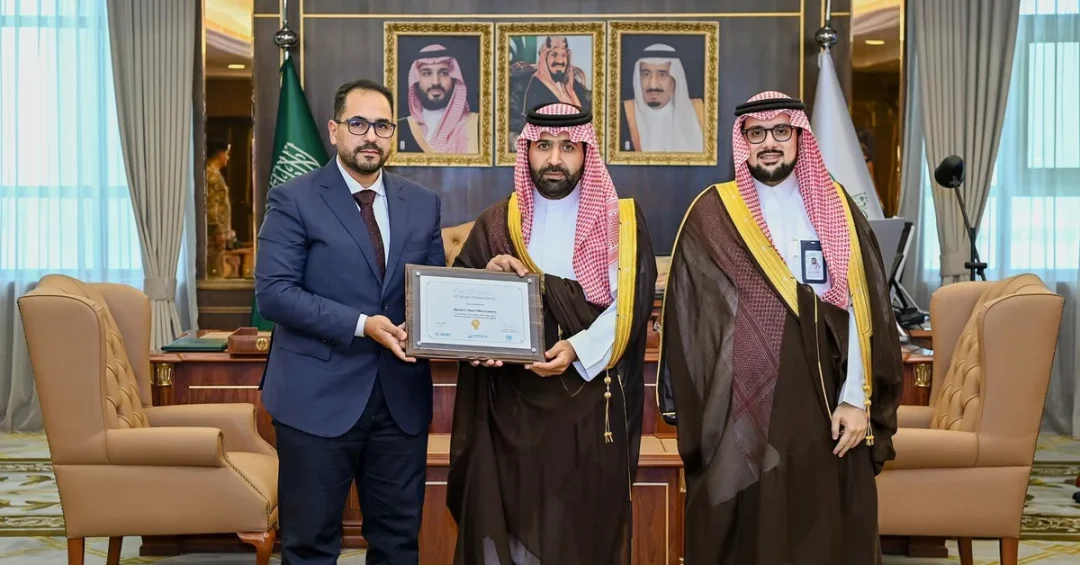
Prince Mohammed bin Abdulaziz bin Mohammed bin Abdulaziz, Governor of Jazan Region and Chairman of the Supervisory Committee of the Jazan Region Development Strategic Office, has received the certificate confirming the Jazan Region Urban Observatory’s membership in the Global Urban Observatory (GUO) Network, affiliated with the United Nations Human Settlements Programme (UN-Habitat). The announcement, released through the Saudi Press Agency, marks a significant milestone in the Kingdom’s efforts to align regional development with international standards for sustainable urbanization and quality of life. The membership positions Jazan as an active participant in a global network dedicated to evidence-based urban policy, data-driven planning, and the exchange of best practices among cities and regions worldwide.
Could this development signal a new chapter in how Saudi regions measure and manage urban growth? For international observers, the certification represents more than a ceremonial acknowledgment. It reflects Saudi Arabia’s broader commitment to integrating its regional development strategies with globally recognized frameworks, particularly those advanced by UN-Habitat. The Jazan Region Urban Observatory now joins a select group of urban observatories worldwide that contribute data, indicators, and analysis to the Global Urban Observatory Network, a platform that supports the implementation of the New Urban Agenda and the Sustainable Development Goals, especially SDG 11 on sustainable cities and communities.
Context and Background
What exactly is the Global Urban Observatory Network, and why does membership matter for a region like Jazan? Established by UN-Habitat, the Global Urban Observatory Network is a worldwide initiative that helps governments and local authorities monitor urban conditions, track progress on sustainable development targets, and formulate policies based on reliable data. The network supports the collection, analysis, and dissemination of urban indicators, enabling members to benchmark their performance against international standards and to learn from one another’s experiences. Membership is not automatic; it requires demonstrating institutional capacity, a commitment to data quality, and a willingness to contribute to the global knowledge base on urbanization.
The Jazan Region Urban Observatory operates under the Jazan Region Development Strategic Office, which is chaired by Prince Mohammed bin Abdulaziz bin Mohammed bin Abdulaziz. The office is responsible for guiding the region’s long-term development in coordination with national priorities, including Saudi Vision 2030. By securing membership in the GUO Network, the observatory has taken a step that strengthens its technical capabilities and its ability to inform decision-making with internationally comparable data. This aligns with the Kingdom’s wider push to modernize governance, improve public services, and ensure that regional growth is inclusive, sustainable, and well-managed.
How does this fit into Saudi Arabia’s evolving approach to urbanization? Across the Kingdom, regions are increasingly adopting sophisticated data systems to manage population growth, infrastructure demands, and environmental pressures. The Jazan Region, located in the southwest along the Red Sea, is home to a growing population, a major port, and significant agricultural and industrial activity. Its urban observatory will now be able to draw on UN-Habitat’s methodologies and tools, which are designed to help local authorities make sense of complex urban dynamics. This is particularly important as Saudi Arabia pursues ambitious national projects and seeks to balance development across its diverse regions.
Key Details of the Membership
What specific benefits does the membership confer on the Jazan Region Urban Observatory? According to the Saudi Press Agency, the membership supports the observatory’s efforts to develop a system of urban indicators based on international standards and practices in sustainable urban development and quality of life. This means the observatory will be able to align its data collection and analysis with globally recognized metrics, making its findings more robust and comparable with those of other regions and cities around the world. It also helps align data and indicators with the region’s strategic development priorities and the objectives of Saudi Vision 2030.
The membership further enables the observatory to exchange expertise, knowledge, and best practices with other members of the network. This includes access to international experience in developing urban indicator systems, which can be adapted to local contexts. By participating in the GUO Network, Jazan can strengthen its presence in international networks and platforms focused on sustainable urban development. This visibility can attract attention from international organizations, investors, and researchers interested in collaborating on urban projects. For a region seeking to diversify its economy and improve living standards, such exposure is valuable.
Who will oversee the implementation of these new capabilities? The Supervisory Committee of the Jazan Region Development Strategic Office, led by Prince Mohammed bin Abdulaziz bin Mohammed bin Abdulaziz, will play a central role in integrating the observatory’s work into the region’s broader development plans. The committee’s mandate includes ensuring that data and indicators inform policy decisions, resource allocation, and project design. This governance structure ensures that the observatory’s membership translates into tangible improvements on the ground, rather than remaining a symbolic affiliation. The involvement of the Governor himself underscores the importance placed on this initiative at the highest levels of regional leadership.
International and Regional Impact
How does Jazan’s participation in the GUO Network affect Saudi Arabia’s standing in international urban development circles? It reinforces the Kingdom’s reputation as a proactive player in global efforts to promote sustainable cities and communities. Saudi Arabia has already demonstrated its commitment to international cooperation through its participation in UN-Habitat programs and its hosting of major urban forums. By having a regional observatory join the GUO Network, the Kingdom signals that its commitment extends beyond national capitals to include diverse regions with distinct challenges and opportunities. This can enhance Saudi Arabia’s credibility in multilateral settings and open doors for further collaboration.
What does this mean for regional cooperation within the Middle East? Jazan’s membership could inspire other regions in the Kingdom and neighboring countries to pursue similar accreditation. The GUO Network includes members from across the globe, and increased participation from the Middle East can help ensure that the region’s unique urban contexts are represented in global discussions. For Jazan specifically, the membership may facilitate partnerships with other coastal regions facing similar issues, such as managing port cities, protecting natural resources, and planning for climate resilience. These connections can lead to joint research, capacity-building initiatives, and investment opportunities.
Could this development also have implications for international perceptions of Saudi Arabia’s regional development? Yes, it contributes to a narrative of modernization and good governance that aligns with Vision 2030. International audiences, including investors, policymakers, and academics, pay attention to how countries manage urbanization. When a Saudi region joins a UN-affiliated network, it demonstrates transparency, a commitment to data-driven decision-making, and a willingness to be measured against global benchmarks. This can enhance trust and attract interest in the region’s economic potential, including in sectors such as tourism, logistics, and renewable energy.
Economic and Strategic Significance
Why is the development of urban indicators economically significant for Jazan? Reliable data on urban conditions is essential for attracting investment and planning infrastructure. Investors look for regions with clear, predictable regulatory environments and robust information about demographics, land use, and service delivery. By adopting international standards for urban indicators, Jazan makes it easier for businesses to assess opportunities and risks. This can accelerate projects in housing, transportation, utilities, and commercial development. It also helps the region make better use of its resources by identifying gaps and prioritizing interventions where they are most needed.
How does this align with Saudi Arabia’s strategic priorities? The Kingdom is pursuing economic diversification under Vision 2030, which includes developing non-oil sectors and creating jobs for a growing population. Jazan has been identified as a region with significant potential in agriculture, manufacturing, tourism, and logistics, thanks to its strategic location on the Red Sea and its proximity to global shipping routes. The Jazan City for Primary and Downstream Industries, for example, is a major industrial hub. Effective urban planning and management are critical to supporting these industries, ensuring that they have the infrastructure and workforce they need to thrive. The urban observatory’s enhanced capabilities will contribute to this by providing the evidence base for sound planning.
What role does quality of life play in this economic equation? Quality of life is increasingly recognized as a key factor in attracting and retaining talent, which is essential for knowledge-based economic growth. The observatory’s focus on indicators related to quality of life means it will track factors such as access to green spaces, public services, housing, and transportation. These metrics can guide investments that make Jazan a more attractive place to live and work. In turn, this supports the Kingdom’s goals of improving citizen well-being and making Saudi cities and regions globally competitive.
Vision 2030 Alignment
How does the Jazan Region Urban Observatory’s membership directly support Saudi Vision 2030? Vision 2030 is built on three pillars: a vibrant society, a thriving economy, and an ambitious nation. Each pillar depends on effective urban management. A vibrant society requires safe, inclusive, and sustainable cities and regions. A thriving economy needs efficient infrastructure and data-driven planning to support business growth. An ambitious nation demands transparent governance and international cooperation. The observatory’s work touches on all three pillars by providing the data and analysis needed to make informed decisions, track progress, and engage with global partners.
What can we expect next from Jazan as a result of this membership? The region is likely to deepen its collaboration with UN-Habitat and other network members, participating in training programs, pilot projects, and knowledge-sharing events. Over time, the observatory will produce regular reports on urban indicators, which will be used by policymakers, investors, and the public. These reports will help measure the impact of development initiatives and identify emerging challenges. As Jazan continues to grow, the observatory’s role will become even more important in ensuring that growth is sustainable, equitable, and aligned with the aspirations of Vision 2030. The certification received by Prince Mohammed bin Abdulaziz bin Mohammed bin Abdulaziz is thus not an endpoint but a beginning of a more integrated and internationally connected approach to regional development.
20 Questions
Q1. What certificate did the Governor of Jazan Region receive?
A1. Prince Mohammed bin Abdulaziz bin Mohammed bin Abdulaziz received the certificate confirming the Jazan Region Urban Observatory’s membership in the Global Urban Observatory Network, affiliated with UN-Habitat.
Q2. What is the Global Urban Observatory Network?
A2. It is a worldwide initiative by UN-Habitat that helps governments monitor urban conditions, track sustainable development targets, and formulate data-driven policies.
Q3. Which UN agency is associated with the Global Urban Observatory Network?
A3. The network is affiliated with the United Nations Human Settlements Programme, commonly known as UN-Habitat.
Q4. What is the name of the observatory that received membership?
A4. The Jazan Region Urban Observatory, which operates under the Jazan Region Development Strategic Office.
Q5. Who chairs the Supervisory Committee of the Jazan Region Development Strategic Office?
A5. Prince Mohammed bin Abdulaziz bin Mohammed bin Abdulaziz, the Governor of Jazan Region, chairs the committee.
Q6. What are the main benefits of this membership for Jazan?
A6. The membership supports developing urban indicators based on international standards, aligns data with Vision 2030, and enables exchange of expertise and best practices.
Q7. How does the membership help align data with Saudi Vision 2030?
A7. It helps align data and indicators with the region’s strategic development priorities and the objectives of Saudi Vision 2030, ensuring evidence-based planning.
Q8. What kind of expertise can the observatory access through the network?
A8. It can access international experience in developing urban indicator systems, sustainable urban development practices, and quality of life metrics.
Q9. Will the membership strengthen Jazan’s international presence?
A9. Yes, it will strengthen Jazan Region’s presence in international networks and platforms focused on sustainable urban development.
Q10. What is the role of the Jazan Region Development Strategic Office?
A10. It guides the region’s long-term development in coordination with national priorities, including Saudi Vision 2030, under the chairmanship of the Governor.
Q11. Why is data-driven urban planning important for Jazan?
A11. It helps manage population growth, infrastructure demands, and environmental pressures, and supports informed decision-making for sustainable development.
Q12. How does this membership benefit the local population?
A12. It can lead to improved public services, better quality of life, and more efficient urban management, ultimately enhancing living standards for residents.
Q13. What economic sectors in Jazan could benefit from this development?
A13. Sectors such as agriculture, manufacturing, tourism, logistics, and industry, including the Jazan City for Primary and Downstream Industries, can benefit from improved planning.
Q14. Does this membership have any financial cost for Jazan?
A14. The announcement did not mention any financial cost; the focus is on technical cooperation, knowledge exchange, and capacity building through the network.
Q15. How does this fit into Saudi Arabia’s broader urbanization strategy?
A15. It aligns with the Kingdom’s efforts to modernize governance, improve public services, and ensure balanced regional development across Saudi Arabia.
Q16. What is the significance of UN-Habitat for Saudi Arabia?
A16. UN-Habitat is a key partner in promoting sustainable urbanization; Saudi Arabia collaborates with it to advance global urban development goals.
Q17. Will the observatory publish regular reports?
A17. While specific timelines were not announced, the observatory is expected to produce urban indicator reports to inform policymakers, investors, and the public.
Q18. How does this membership support Saudi Vision 2030’s goals?
A18. It supports a vibrant society, thriving economy, and ambitious nation by enabling data-driven planning, international cooperation, and improved quality of life.
Q19. What other regions in Saudi Arabia have similar observatories?
A19. Several Saudi regions have urban observatories, but Jazan’s membership in the GUO Network marks a significant step in its international integration.
Q20. What are the next steps for Jazan after receiving this certificate?
A20. Jazan will likely deepen collaboration with UN-Habitat, participate in training and knowledge-sharing, and integrate international standards into its development plans.
Reader Feedback
We value your thoughts. Please share your feedback on this article.
Your feedback helps us improve our coverage.
Related articles
 Hail’s Urban Greening Efforts Receive International Recognition
 Madinah Governor to Launch Saudi National Day Events
 Saudi Official Receives Mauritanian Consul General in Madinah
 Turaif Adorned in Green for Saudi National Day
 Tabuk Municipality Prepares over 50 Events for Saudi National Day
 Border Guard to Mark Saudi National Day with Land and Maritime Displays