


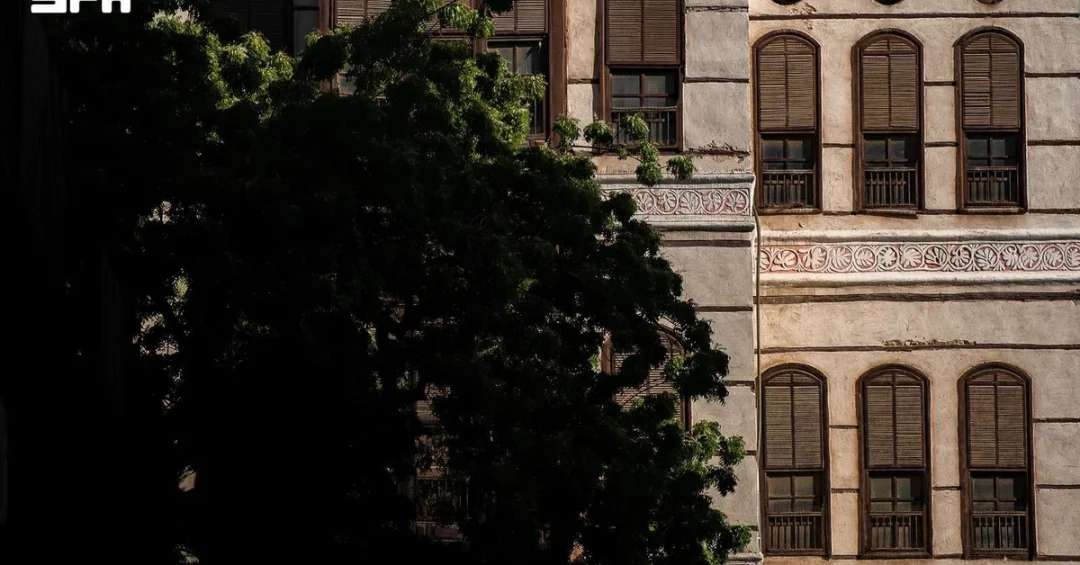
Jeddah’s architectural identity reflects a continuous dialogue between its coastal geography, merchant history, and cultural diversity, according to official Saudi sources. From the coral stone edifices of Historic Jeddah to its expanding modern quarters, the city’s built environment illustrates how design responds to climate, social interaction, and daily life. The Kingdom’s official Saudi Press Agency reported on October 23, 2026, that the Saudi Architecture platform has documented how the region’s coastal vernacular evolved through seaside climatic adaptation and regional trade, with traditional building patterns prioritizing natural cross-ventilation, balanced lighting, and facade openings that preserved privacy while ensuring thermal comfort.
This architectural heritage is not merely a matter of historical record. It is an active framework guiding the city’s contemporary growth, with the Jeddah Municipality enforcing design guidelines that require new residential and commercial projects to comply with coastal Hejazi principles. The policy represents a deliberate effort to ensure that Jeddah’s rapid urban expansion does not erase the distinctive character that has made the city a gateway for maritime trade and pilgrimage for centuries. As the Kingdom advances its Vision 2030 objectives, the integration of heritage-sensitive design into modern urban planning stands as a model for how Saudi cities can grow while honoring their roots.
Context and Background
How did a city perched on the Red Sea coast develop an architectural language that remains relevant in the twenty-first century? Jeddah’s story begins with its geography. As a historic maritime trade hub and the gateway for sea pilgrims traveling to Mecca, the city absorbed influences from across the Indian Ocean, the Arabian Peninsula, and beyond. The UNESCO World Heritage Centre highlights Historic Jeddah’s legacy as a place where indigenous construction methods fused with external artisanal influences, creating a distinctive built environment that responded to the harsh coastal climate while accommodating the social and commercial needs of a diverse population.
The traditional coral stone buildings of Historic Jeddah, known as Al-Balad, were engineered for natural cooling. Their thick walls, narrow alleyways, and carefully positioned openings created shade and encouraged cross-ventilation. Facades were composed with balanced proportions, and the use of locally resonant materials such as coral limestone and mangrove wood ensured that structures were both durable and climatically appropriate. These were not merely aesthetic choices; they were functional responses to the environment, refined over generations of trial and observation.
According to the Saudi Architecture platform, this coastal vernacular evolved through seaside climatic adaptation and regional trade. The platform notes that traditional building patterns prioritized natural cross-ventilation, balanced lighting, and facade openings that preserved privacy while ensuring thermal comfort. This approach to design was human-centered, prioritizing the well-being of inhabitants and the smooth functioning of social life. Today, as Jeddah expands into new districts, these principles are being reinterpreted rather than simply replicated, ensuring that modern development benefits from the wisdom of the past while meeting contemporary needs.
Key Details
What does compliance with coastal Hejazi design guidelines actually require of new developments? Razan Baghanim, Head of the Saudi Architecture Unit at the Jeddah Municipality, affirmed that compliance with coastal Hejazi design guidelines is mandatory for new residential and commercial projects. She emphasized that the policy moves beyond superficial motifs to reinterpret core architectural principles, including balanced facade compositions, locally resonant materials, climate-responsive openings, and natural color palettes. The goal, she explained, is to enhance the urban landscape and meet contemporary needs without sacrificing the city’s identity.
The Saudi Architecture Unit is actively reviewing development plans to ensure architectural integration across new neighborhoods. Baghanim noted that this standard requires close collaboration with engineering consultancies to build a cohesive urban character that honors local heritage while fostering sustainable urban expansion. This collaborative approach means that architects, planners, and developers are working within a shared framework that values continuity as much as innovation. The unit’s oversight ensures that individual projects contribute to a coherent cityscape rather than a patchwork of disconnected styles.
The human dimension of the city’s urban fabric is further reflected in developed public spaces documented by the Saudi Press Agency, including urban walkways in Prince Fawaz and Al-Rehab districts, as well as the waterfront corniche. By providing accessible seating, shaded promenades, and coastal public spaces, Jeddah integrates everyday leisure and pedestrian mobility into its architectural evolution, anchoring a living identity for future generations. These spaces demonstrate that the city’s design philosophy extends beyond private buildings to encompass the shared environments where community life unfolds.
International and Regional Impact
How does Jeddah’s approach to architectural preservation and modernization resonate beyond Saudi Arabia’s borders? The city’s experience offers a compelling case study for other rapidly urbanizing regions facing similar tensions between growth and heritage. By mandating compliance with coastal Hejazi design guidelines, Jeddah is demonstrating that modernization need not mean homogenization. The policy ensures that new construction contributes to a distinctive sense of place, a quality that is increasingly valued by international travelers, investors, and urban planners alike.
Regionally, Jeddah’s architectural strategy aligns with broader efforts across the Kingdom to preserve cultural heritage while pursuing ambitious development goals. The UNESCO World Heritage Centre’s recognition of Historic Jeddah as a site of outstanding universal value underscores the global significance of the city’s built heritage. As Saudi Arabia positions itself as a destination for cultural tourism and international events, the authenticity of its urban environments becomes a strategic asset. Visitors seeking meaningful experiences are drawn to places that feel rooted in their own history, and Jeddah’s architectural identity delivers precisely that.
Moreover, the city’s emphasis on pedestrian-friendly streets, integrated zoning, and public corridors reflects international best practices in sustainable urbanism. These principles, which echo the human-centered design of traditional Jeddah, are now being applied to new districts. The result is a city that is both modern and familiar, efficient and welcoming. For international audiences, Jeddah represents a model of how to balance the demands of a growing metropolis with the imperative to protect cultural memory.
Economic and Strategic Significance
What economic value does architectural authenticity bring to Jeddah and the wider Kingdom? The preservation and reinterpretation of coastal Hejazi design is not solely a cultural endeavor; it has tangible economic implications. Distinctive urban environments attract tourism, stimulate investment in hospitality and retail, and enhance property values. By ensuring that new developments reflect local character, Jeddah strengthens its competitive advantage as a destination for business and leisure travelers. The city’s waterfront corniche and revitalized public spaces already serve as magnets for residents and visitors, supporting a vibrant local economy.
Strategically, the integration of heritage-sensitive design supports Saudi Arabia’s Vision 2030 goals of diversifying the economy and enhancing quality of life. The Vision places a premium on creating attractive, sustainable cities that can retain talent and attract international investment. Jeddah’s architectural policy contributes directly to these objectives by fostering a built environment that is both functional and beautiful. Furthermore, the emphasis on collaboration with engineering consultancies and adherence to mandatory guidelines ensures that development proceeds in an orderly, predictable manner, reducing risks for investors and streamlining approvals.
The Saudi Architecture platform’s documentation of the region’s coastal vernacular also serves as a knowledge resource for future projects. By codifying the principles that have made Jeddah’s historic buildings so effective, the platform enables architects and developers to apply these lessons systematically. This approach enhances the city’s resilience to climate challenges, particularly extreme heat, while reducing reliance on energy-intensive cooling systems. In an era of global climate concern, Jeddah’s climate-responsive design heritage offers practical solutions that are both time-tested and forward-looking.
Vision 2030 Alignment
How does Jeddah’s architectural identity contribute to the broader transformation of Saudi Arabia under Vision 2030? The Kingdom’s long-term development plan emphasizes the importance of vibrant, sustainable cities that celebrate Saudi heritage while embracing modernity. Jeddah’s mandatory coastal Hejazi design guidelines exemplify this balance, ensuring that new neighborhoods are integrated into the city’s historical fabric rather than imposed upon it. By requiring compliance from residential and commercial projects alike, the policy guarantees that the city’s growth reinforces its unique character, creating a cohesive urban experience for residents and visitors.
As Saudi Arabia continues to invest in tourism, culture, and quality of life, Jeddah stands as a testament to the power of thoughtful urban planning. The city’s architectural evolution, guided by the Saudi Architecture Unit and supported by official documentation, demonstrates that progress and preservation can go hand in hand. For international observers, Jeddah offers a compelling example of how a city can honor its past while building confidently toward its future. In doing so, it contributes to the realization of Vision 2030’s vision of a Kingdom that is both globally engaged and deeply rooted in its own identity.
20 Questions
Q1. What does Jeddah’s architectural identity reflect?
A1. Jeddah’s architectural identity reflects a continuous dialogue between its coastal geography, merchant history, and cultural diversity, according to official Saudi sources.
Q2. What is the Saudi Architecture platform?
A2. The Saudi Architecture platform is an official resource that documents the region’s coastal vernacular and provides guidelines for integrating heritage principles into modern development.
Q3. What are coastal Hejazi design guidelines?
A3. Coastal Hejazi design guidelines are mandatory standards for new residential and commercial projects in Jeddah, requiring balanced facade compositions, locally resonant materials, climate-responsive openings, and natural color palettes.
Q4. Who is Razan Baghanim?
A4. Razan Baghanim is the Head of the Saudi Architecture Unit at the Jeddah Municipality, responsible for overseeing architectural compliance and urban integration in the city.
Q5. Why are these guidelines mandatory?
A5. The guidelines are mandatory to ensure that new developments enhance the urban landscape, honor local heritage, and meet contemporary needs without erasing Jeddah’s distinctive character.
Q6. How does the Jeddah Municipality enforce these guidelines?
A6. The municipality reviews development plans and collaborates with engineering consultancies to ensure architectural integration across new neighborhoods.
Q7. What is Historic Jeddah known for?
A7. Historic Jeddah, a UNESCO World Heritage Site, is known as a maritime trade hub and historic gateway for sea pilgrims, featuring coral stone buildings and traditional construction methods.
Q8. How did traditional Jeddah buildings adapt to the climate?
A8. Traditional buildings used thick walls, narrow alleyways, and carefully positioned openings to create shade and encourage natural cross-ventilation, ensuring thermal comfort.
Q9. What public spaces have been developed in Jeddah?
A9. Developed public spaces include urban walkways in Prince Fawaz and Al-Rehab districts, as well as the waterfront corniche, offering accessible seating and shaded promenades.
Q10. How does Jeddah’s approach benefit the economy?
A10. Distinctive urban environments attract tourism, stimulate investment in hospitality and retail, and enhance property values, supporting economic diversification.
Q11. What role does UNESCO play in Jeddah’s heritage?
A11. The UNESCO World Heritage Centre highlights Historic Jeddah’s legacy, recognizing its outstanding universal value and supporting preservation efforts.
Q12. How does Jeddah’s design philosophy align with Vision 2030?
A12. It supports Vision 2030 goals of diversifying the economy, enhancing quality of life, and creating vibrant, sustainable cities that celebrate Saudi heritage.
Q13. What materials are emphasized in coastal Hejazi design?
A13. Locally resonant materials such as coral limestone and mangrove wood are emphasized for their durability and climatic appropriateness.
Q14. How does the Saudi Architecture Unit collaborate with developers?
A14. The unit works closely with engineering consultancies to ensure that new projects comply with guidelines and contribute to a cohesive urban character.
Q15. What are the benefits of pedestrian-friendly streets?
A15. Pedestrian-friendly streets promote mobility, social interaction, and public health while reducing reliance on vehicles and enhancing urban livability.
Q16. How does Jeddah’s architecture attract international visitors?
A16. Authentic urban environments rooted in history offer meaningful experiences, drawing cultural tourists and international events to the city.
Q17. What is the significance of the waterfront corniche?
A17. The waterfront corniche provides accessible coastal public spaces for leisure and recreation, integrating the city’s maritime identity into daily life.
Q18. How does climate-responsive design reduce energy use?
A18. Natural cross-ventilation and shaded openings reduce reliance on air conditioning, lowering energy consumption and supporting sustainability.
Q19. What does the Saudi Press Agency report on Jeddah’s architecture?
A19. The Saudi Press Agency documents the city’s architectural evolution, including public space developments and official statements on design guidelines.
Q20. How does Jeddah’s model inspire other cities?
A20. Jeddah demonstrates that modernization can coexist with heritage preservation, offering a replicable model for rapidly urbanizing regions worldwide.
Reader Feedback
We value your thoughts. Please share your feedback on this article.
Your feedback helps us improve our coverage.