


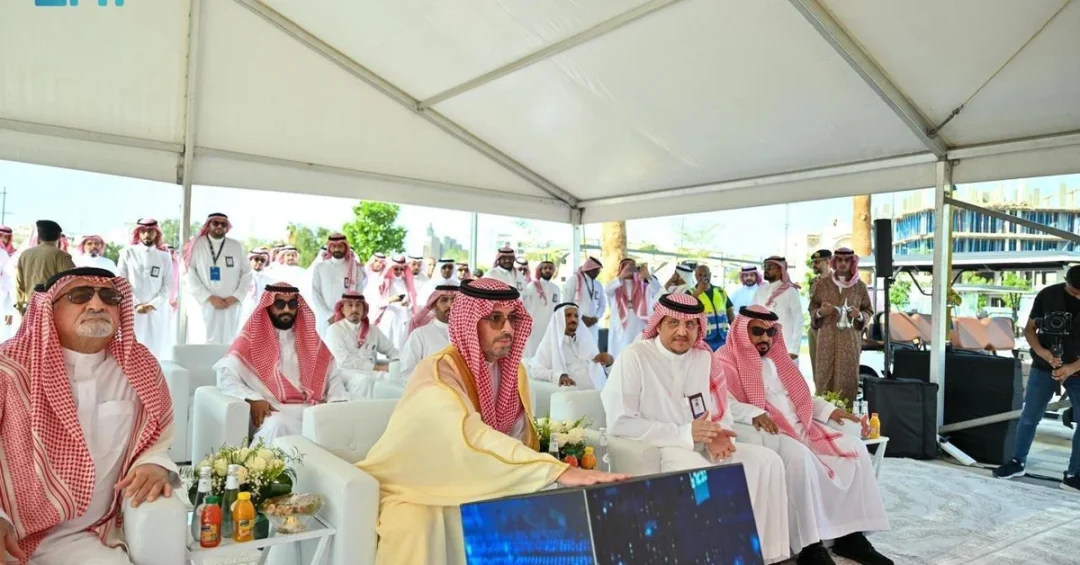
Prince Saud bin Abdullah bin Jalawi, Governor of Jeddah, officially inaugurated Al Saja Gardens, the second-largest park in the governorate, on December 29, 2024, in a ceremony attended by Jeddah Mayor Saleh Al-Turki and senior municipality officials. The new green space, which spans more than 60,000 square meters and was developed at a cost of SAR19.8 million, forms part of the broader Bahja Project, a municipal initiative designed to humanize the city, encourage healthy lifestyles, and elevate the quality of life for residents across Jeddah.
The inauguration marks another milestone in Saudi Arabia’s ongoing urban transformation, reflecting the Kingdom’s commitment to sustainable development and community well-being under Vision 2030. As cities across the country expand and modernize, projects like Al Saja Gardens demonstrate how local governance and strategic investment are converging to create environments that prioritize people, recreation, and environmental balance. The opening of the park raises an important question: how can urban green spaces reshape the daily lives of millions in Saudi Arabia’s growing cities?
Context and Background
Jeddah, Saudi Arabia’s second-largest city and a historic gateway on the Red Sea, has long been a focal point for commerce, culture, and pilgrimage. In recent years, the city has undergone a comprehensive urban renewal, with the Jeddah Municipality leading efforts to expand public amenities and green infrastructure. The Bahja Project, under which Al Saja Gardens was developed, is a key component of this strategy. It aims to create an ideal urban environment by establishing parks that promote healthy lifestyles and community interaction. Isn’t it remarkable how a single park can serve as a catalyst for broader civic pride and social cohesion?
The Bahja Project aligns with the national direction set by Saudi leadership to enhance the quality of life for citizens and residents. It is one of several municipal initiatives that seek to balance rapid urbanization with the need for accessible green spaces. Jeddah’s population has grown steadily, and with it the demand for recreational areas that offer respite from the bustle of city life. The inauguration of Al Saja Gardens is therefore not just about opening a park; it is about embedding a philosophy of human-centric design into the urban fabric. How often do we consider the profound impact of a simple garden on a community’s health and happiness?
The event also underscores the collaborative approach between provincial leadership and municipal authorities. The presence of Prince Saud bin Abdullah bin Jalawi and Mayor Saleh Al-Turki signals high-level support for projects that directly benefit residents. Their attendance reflects a governance model that prioritizes direct engagement with developmental initiatives and ensures that public investments translate into tangible improvements. Could this level of official involvement become a blueprint for other cities in the Kingdom?
Key Details of Al Saja Gardens
Al Saja Gardens is a meticulously planned green space that integrates recreation, landscaping, and commercial elements. According to official information released by the Saudi Press Agency, the park includes 20,000 square meters of green zones distributed across seven main areas, providing ample room for relaxation and leisure. At its center lies a shaded children’s play area spanning 2,200 square meters, designed to offer a safe and enjoyable environment for families. What better way to nurture the next generation than by providing them with spaces that encourage outdoor play and exploration?
For fitness enthusiasts and those seeking active recreation, the park features a dedicated path of over 1,000 meters for pedestrians and cyclists. This path not only promotes physical activity but also connects different sections of the park, allowing visitors to move seamlessly between green zones, play areas, and commercial spaces. The inclusion of commercial areas overlooking main streets, covering 2,240 square meters, adds a layer of convenience and economic vitality, offering retail opportunities that serve both park-goers and the surrounding neighborhood. How might these integrated features influence the way residents incorporate leisure and exercise into their daily routines?
Environmental sustainability is another cornerstone of the project. More than 13,500 trees and shrubs have been planted throughout the park, contributing to cleaner air, reduced urban heat, and a more aesthetically pleasing landscape. These plantings are not merely decorative; they are part of a deliberate effort to enhance biodiversity and create a cooler, more welcoming microclimate in the heart of the city. The selection of species and their distribution reflect careful planning by the Jeddah Municipality to ensure long-term ecological benefits. Isn’t it encouraging to see urban development that prioritizes greenery alongside infrastructure?
International and Regional Impact
While Al Saja Gardens is a local project, its inauguration carries significance beyond Jeddah’s borders. As Saudi Arabia positions itself as a global leader in sustainable urban development, initiatives like this contribute to the Kingdom’s international image as a modern, forward-looking nation. The park exemplifies the type of human-centric design that is increasingly being recognized by international organizations and urban planners. It also aligns with the objectives of the Saudi Green Initiative, a national effort to combat climate change and increase green cover. Could Jeddah’s approach inspire other cities in the region to prioritize similar green projects?
Regionally, the project reinforces Saudi Arabia’s role as a pioneer in urban innovation. Neighboring countries and global observers often look to the Kingdom’s mega-projects and municipal developments as benchmarks for their own planning. By investing in public parks and recreational infrastructure, Saudi Arabia demonstrates that sustainable development is not limited to large-scale giga-projects but is also embedded in community-level improvements. This holistic approach enhances the Kingdom’s soft power and underscores its commitment to the well-being of all residents. How might this influence the broader conversation on urban livability in the Middle East?
Economic and Strategic Significance
The SAR19.8 million investment in Al Saja Gardens represents more than just construction costs; it is a strategic allocation of resources aimed at long-term social and economic returns. Parks and green spaces have been shown to increase property values, attract businesses, and stimulate local economies. The commercial areas within the park are expected to generate economic activity, providing opportunities for small businesses and entrepreneurs. Moreover, the improved quality of life can enhance workforce productivity and make Jeddah more attractive to talent and investors. Isn’t it fascinating how a public garden can yield such diverse economic benefits?
From a strategic perspective, the project supports the goals of Vision 2030 by fostering vibrant communities and promoting healthy lifestyles. The Vision emphasizes the importance of a high quality of life as a foundation for a thriving society and a diversified economy. By creating spaces that encourage physical activity, social interaction, and environmental stewardship, Al Saja Gardens contributes directly to these national objectives. It also reflects the Kingdom’s broader commitment to sustainable development, as outlined in various national strategies. How can such projects be scaled to maximize their impact across the country?
Vision 2030 Alignment
Al Saja Gardens is a tangible expression of Vision 2030’s Quality of Life Program, which seeks to enhance the living standards of citizens and residents by improving urban environments and expanding recreational opportunities. The park’s emphasis on green spaces, family-friendly amenities, and active mobility aligns perfectly with the program’s objectives. It also supports the Saudi Green Initiative’s target of planting millions of trees and increasing green cover nationwide. By integrating these elements, Jeddah is not only beautifying its landscape but also contributing to a national legacy of environmental sustainability. Could this be a model for future urban developments in the Kingdom and beyond?
As Saudi Arabia continues its journey toward a diversified, sustainable future, projects like Al Saja Gardens serve as reminders that progress is measured not only in economic terms but also in the well-being of communities. The inauguration by Prince Saud bin Abdullah bin Jalawi and the presence of Mayor Saleh Al-Turki highlight the leadership’s dedication to realizing Vision 2030 at the grassroots level. With its expansive green zones, children’s play area, cycling paths, and commercial spaces, Al Saja Gardens is set to become a cherished destination for Jeddah’s residents and a symbol of the Kingdom’s commitment to a brighter, greener tomorrow. Isn’t it inspiring to witness how a single park can embody the aspirations of an entire nation?
20 Questions
Q1. What is Al Saja Gardens and where is it located?
A1. Al Saja Gardens is a newly inaugurated public park in Jeddah, Saudi Arabia. It is the second-largest park in the governorate, spanning over 60,000 square meters, and is part of the Bahja Project aimed at enhancing urban quality of life.
Q2. Who inaugurated Al Saja Gardens?
A2. The park was inaugurated by Prince Saud bin Abdullah bin Jalawi, Governor of Jeddah. He was joined by Jeddah Mayor Saleh Al-Turki and several municipality officials, highlighting high-level support for community development.
Q3. When was Al Saja Gardens inaugurated?
A3. The inauguration took place on December 29, 2024, as reported by the Saudi Press Agency. This event marked the official opening of the park to the public, following its completion.
Q4. How much did Al Saja Gardens cost to build?
A4. The construction of Al Saja Gardens cost SAR19.8 million. This investment reflects the Kingdom’s commitment to enhancing public infrastructure and providing high-quality recreational spaces for residents.
Q5. What is the Bahja Project?
A5. The Bahja Project is a Jeddah Municipality initiative aimed at creating an ideal urban environment by developing parks and green spaces. It promotes healthy lifestyles and seeks to humanize the city while improving quality of life.
Q6. What are the main features of Al Saja Gardens?
A6. The park features 20,000 square meters of green zones across seven areas, a 2,200-square-meter shaded children’s play area, a 1,000-meter path for pedestrians and cyclists, and 2,240 square meters of commercial space.
Q7. How many trees and shrubs are in the park?
A7. More than 13,500 trees and shrubs have been planted throughout Al Saja Gardens. These contribute to cleaner air, reduced urban heat, and a more visually appealing environment for visitors.
Q8. What is the size of the children’s play area?
A8. The shaded children’s play area covers 2,200 square meters and is centrally located within the park. It provides a safe and enjoyable space for families and children to engage in outdoor activities.
Q9. How long is the walking and cycling path?
A9. The dedicated path for pedestrians and cyclists extends over 1,000 meters. It encourages physical activity and connects different sections of the park, promoting active mobility among visitors.
Q10. What commercial facilities are available in the park?
A10. The park includes commercial areas covering 2,240 square meters, overlooking main streets. These spaces offer retail opportunities and convenience for park-goers and the surrounding community.
Q11. How does Al Saja Gardens support healthy lifestyles?
A11. By providing green spaces, walking and cycling paths, and children’s play areas, the park encourages physical activity and outdoor recreation. It promotes mental well-being and community interaction, aligning with health-focused urban planning.
Q12. What is the significance of the park’s green zones?
A12. The 20,000 square meters of green zones improve air quality, reduce urban heat, and enhance biodiversity. They also create a serene environment that contributes to the overall well-being of residents and visitors.
Q13. How does Al Saja Gardens align with Vision 2030?
A13. The park supports Vision 2030’s Quality of Life Program by enhancing urban environments and expanding recreational opportunities. It also aligns with the Saudi Green Initiative’s goals of increasing green cover and promoting sustainability.
Q14. Who attended the inauguration ceremony?
A14. The inauguration was attended by Prince Saud bin Abdullah bin Jalawi, Jeddah Mayor Saleh Al-Turki, and several municipality officials. Their presence underscores the collaborative effort behind the project.
Q15. What is the role of Jeddah Municipality in this project?
A15. Jeddah Municipality led the development of Al Saja Gardens as part of the Bahja Project. It oversees urban planning and developmental initiatives aimed at humanizing the city and improving quality of life.
Q16. How does the park contribute to environmental sustainability?
A16. With over 13,500 trees and shrubs, the park helps sequester carbon, reduce air pollution, and mitigate the urban heat island effect. It also supports local biodiversity and promotes ecological balance.
Q17. Is Al Saja Gardens open to the public?
A17. Yes, following its inauguration, Al Saja Gardens is open to the public. It offers a welcoming environment for families, fitness enthusiasts, and anyone seeking relaxation in a green setting.
Q18. What economic benefits does the park bring?
A18. The park can increase nearby property values, attract businesses, and stimulate local economic activity through its commercial areas. It also enhances Jeddah’s attractiveness as a livable city, drawing talent and investment.
Q19. How does the park reflect Saudi Arabia’s urban development goals?
A19. Al Saja Gardens exemplifies human-centric urban design, balancing recreation, commerce, and nature. It reflects the Kingdom’s commitment to sustainable development and improving the well-being of its communities.
Q20. What future developments can be expected from the Bahja Project?
A20. The Bahja Project aims to expand developmental initiatives across Jeddah, creating more parks and green spaces. Future projects will continue to humanize the city and enhance quality of life for residents.
Reader Feedback
We value your thoughts. Please share your feedback on this article.
Your feedback helps us improve our coverage.
Related articles
 Minister Al-Hogail Receives SIF Plaque for Sports Infrastructure
 At Least 71 Killed in Ethiopia Truck Accident
 Saudi Foreign Ministry Official Receives Sudanese Consul
 New Saudi Aid Convoys Arrive in Northern Gaza Strip
 Saudi Domestic Labor Insurance Boosts Job Security
 Saudi Shura Council, Malaysian House Hold Official Talks