


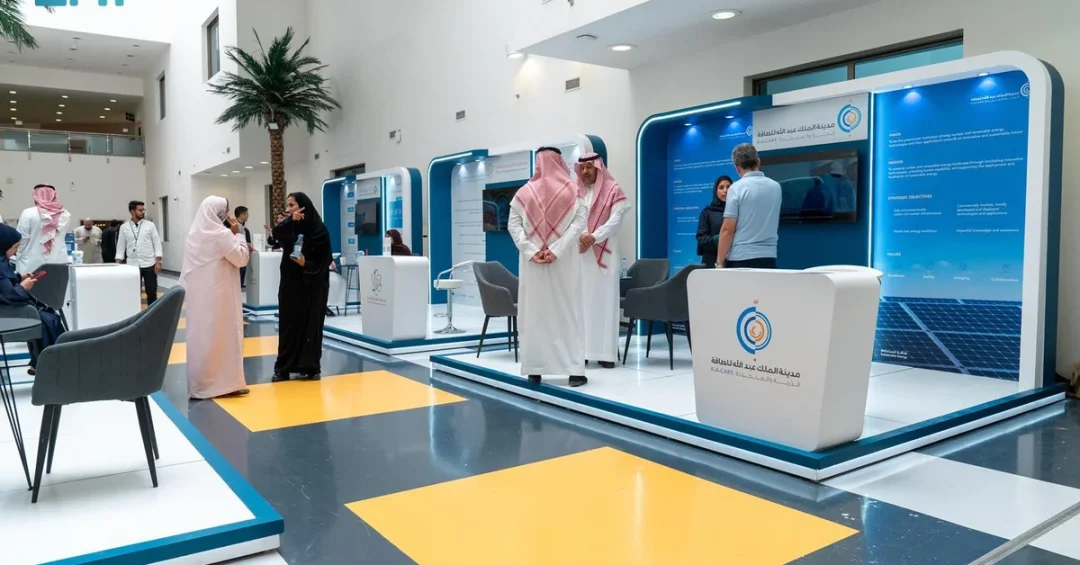
The King Abdullah City for Atomic and Renewable Energy (KACARE) hosted a career exhibition at Prince Sultan University in Riyadh on September 5, 2024, to highlight career opportunities in the Kingdom’s energy sector. The event aimed to attract and train Saudi talent to support the nation’s ambitious energy goals aligned with Vision 2030. The exhibition showcased the roles of various authorities in the energy sector and its positive impact on the local economy. It also featured training programs and scientific specializations designed to equip Saudi citizens with the skills needed to contribute to the sector’s growth and development.
Context and Background
Saudi Arabia is undergoing a transformative period in its energy sector, driven by Vision 2030 and the need to diversify its economy away from oil. The Kingdom has set ambitious targets for renewable energy, aiming to generate 50% of its electricity from renewable sources by 2030. Additionally, Saudi Arabia is exploring nuclear energy for peaceful purposes to meet growing domestic demand and reduce carbon emissions. KACARE, established in 2010, is at the forefront of these efforts, tasked with developing atomic and renewable energy programs. By engaging with academic institutions like Prince Sultan University, KACARE aims to build a skilled workforce capable of driving innovation and sustaining the sector’s growth.
Key Details
The exhibition at Prince Sultan University provided students with insights into various career paths within the energy sector. Representatives from KACARE and other energy authorities were present to discuss roles in nuclear and renewable energy, research and development, engineering, and project management. The event also highlighted training programs and scholarships available to Saudi citizens, aimed at equipping them with the necessary skills to contribute to the sector. According to KACARE officials, such initiatives are crucial for fostering a knowledge-based economy and ensuring that Saudi talent plays a central role in the Kingdom’s energy transition.
Implications and Impact
This exhibition is part of a broader strategy to localize expertise in the energy sector and create high-value jobs for Saudi citizens. By aligning educational programs with industry needs, KACARE and its partners are helping to reduce unemployment and stimulate economic growth. The focus on renewable and nuclear energy also positions Saudi Arabia as a leader in sustainable energy, aligning with global efforts to combat climate change. Furthermore, the event strengthens collaboration between academia and industry, paving the way for research and innovation that can have a lasting impact on the Kingdom’s economy and its international standing.
Vision 2030 Alignment
This initiative directly supports Vision 2030’s objectives of economic diversification, human capital development, and sustainable energy. By investing in the training and education of Saudi youth, KACARE is helping to build a skilled workforce that will drive the Kingdom’s future prosperity. The exhibition underscores Saudi Arabia’s commitment to creating a vibrant society and a thriving economy, where citizens are empowered to contribute to the nation’s progress. As the Kingdom continues to advance its energy sector, such partnerships between government entities and educational institutions will be vital in achieving the ambitious goals of Vision 2030.
20 Questions
Q1. What is KACARE?
A1. KACARE stands for King Abdullah City for Atomic and Renewable Energy, established in 2010 to develop peaceful nuclear and renewable energy programs in Saudi Arabia, aligning with Vision 2030 goals for sustainable development.
Q2. Where was the exhibition held?
A2. The exhibition was held at Prince Sultan University in Riyadh, Saudi Arabia, on September 5, 2024, attracting students and energy sector representatives to explore career opportunities.
Q3. What was the purpose of the exhibition?
A3. The exhibition aimed to highlight career opportunities in the Kingdom’s energy sector and attract Saudi talent to support the nation’s ambitious energy goals under Vision 2030.
Q4. Who organized the event?
A4. The event was organized by the King Abdullah City for Atomic and Renewable Energy (KACARE), a government entity responsible for advancing atomic and renewable energy in Saudi Arabia.
Q5. What did the exhibition showcase?
A5. It showcased the roles of various authorities in the energy sector, training programs, and scientific specializations designed to equip Saudi citizens with skills for the sector’s growth.
Q6. How does this align with Vision 2030?
A6. The initiative supports Vision 2030 by promoting economic diversification, developing human capital, and advancing sustainable energy, key pillars of the Kingdom’s long-term development plan.
Q7. What are Saudi Arabia’s renewable energy targets?
A7. Saudi Arabia aims to generate 50% of its electricity from renewable sources by 2030, as part of its efforts to diversify the energy mix and reduce carbon emissions.
Q8. Why is nuclear energy part of Saudi Arabia’s plans?
A8. Nuclear energy is considered for peaceful purposes to meet growing domestic electricity demand, reduce reliance on fossil fuels, and support sustainable development goals.
Q9. Who attended the exhibition?
A9. The exhibition attracted students from Prince Sultan University and representatives from KACARE and other energy authorities, providing insights into career paths in the energy sector.
Q10. What training programs were featured?
A10. Training programs included specialized courses in nuclear and renewable energy, research and development, engineering, and project management, aimed at equipping Saudi citizens with necessary skills.
Q11. How does this benefit the local economy?
A11. By developing a skilled workforce, the initiative helps create high-value jobs, reduce unemployment, and stimulate economic growth, contributing to a knowledge-based economy.
Q12. What is the significance of Prince Sultan University in this event?
A12. Prince Sultan University serves as a key academic partner, providing a venue to connect students with industry opportunities and fostering collaboration between academia and the energy sector.
Q13. Are there scholarships available for energy studies?
A13. Yes, KACARE and other entities offer scholarships and training programs to support Saudi students pursuing degrees and careers in energy-related fields.
Q14. How does this event promote Saudi talent?
A14. The event highlights career paths and training opportunities, encouraging Saudi citizens to develop skills and contribute to the Kingdom’s energy sector growth and innovation.
Q15. What impact does this have on Saudi Arabia’s global standing?
A15. By investing in renewable and nuclear energy, Saudi Arabia positions itself as a leader in sustainable energy, enhancing its international reputation and influence in global energy markets.
Q16. What authorities participated in the exhibition?
A16. Various energy sector authorities participated, including KACARE and possibly other government agencies involved in energy development, though specific names were not provided in the source.
Q17. How often does KACARE hold such events?
A17. KACARE regularly engages with academic institutions and communities to promote energy careers, though the frequency of such exhibitions is not specified in the source.
Q18. What scientific specializations were highlighted?
A18. Specializations included nuclear engineering, renewable energy technologies, energy efficiency, and related fields that are critical for the sector’s advancement.
Q19. How can students apply for these opportunities?
A19. Students can inquire with KACARE or Prince Sultan University’s career services for information on training programs, scholarships, and job openings in the energy sector.
Q20. What is the expected outcome of this initiative?
A20. The initiative is expected to produce a skilled Saudi workforce that will drive the energy sector’s growth, support economic diversification, and help achieve Vision 2030 targets.
Reader Feedback
We value your thoughts. Please share your feedback on this article.
Your feedback helps us improve our coverage.