


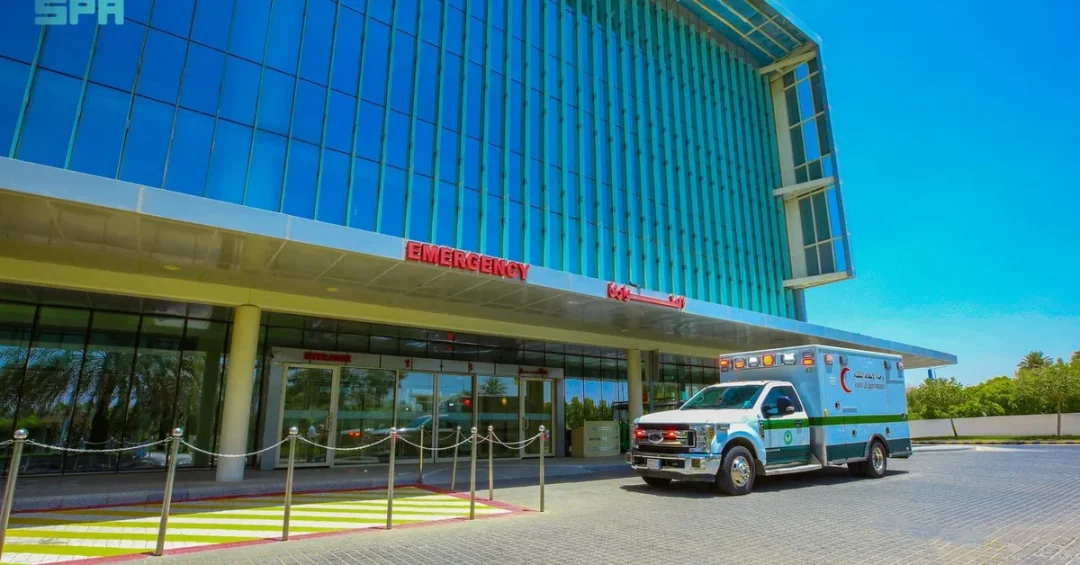
King Faisal Specialist Hospital & Research Centre (KFSHRC) in Riyadh announced that it has successfully performed a heart transplant on a two-and-a-half-year-old girl, following an eight-month wait for a suitable donor. The hospital said in a press release issued on August 25, 2024, that the procedure was made possible through the extraordinary efforts of its medical teams, the Saudi Centre for Organ Transplantation (SCOT), and the Riyadh Traffic Department, which together ensured the timely arrival of the donor organ. The young girl is now under close medical observation, and her family is filled with joy and hope.
Context and Background
The girl had been diagnosed with severe cardiomyopathy, a condition that damages the heart muscle and impairs its ability to pump blood. Given the severity of her condition, doctors at KFSHRC decided to implant a heart pump to sustain her life while she waited for a donor. During this period, the hospital became her temporary home, with medical teams providing round-the-clock care.
SCOT, the national authority responsible for coordinating organ donation and transplantation across the Kingdom, played a central role in identifying a suitable donor. The collaboration between KFSHRC, SCOT, and the Riyadh Traffic Department underscores the importance of coordinated efforts in Saudi Arabia’s healthcare system, especially in time-critical situations.
Key Details
According to KFSHRC, the hospital was notified on Tuesday morning by SCOT about a suitable donor in Taif: a four-year-old boy who had been declared brain dead. A specialized medical team from KFSHRC in Riyadh immediately traveled to Taif to harvest the boy’s heart, giving the young girl a chance at a new life.
Upon the team’s return to Riyadh at 8:30 am on Wednesday, they encountered heavy traffic congestion. Thanks to swift coordination with the Riyadh Traffic Department, a clear route was secured for the ambulance, which covered over 40 kilometers in just 25 minutes. The specialized medical team was fully prepared and began the transplant operation as soon as the heart arrived at KFSHRC. The procedure was successful, and the girl is now receiving dedicated postoperative care.
The hospital emphasized that collective efforts and intensive communication between the teams helped overcome logistical and medical challenges, including a blood type mismatch between the donor and the recipient. The team’s expertise restored hope to the young girl and brought joy to her family.
Implications and Impact
This successful transplant highlights the growing capabilities of Saudi Arabia’s healthcare infrastructure and the effectiveness of its organ transplantation network. It also demonstrates the critical role of inter-agency cooperation in saving lives, from identifying donors to ensuring rapid transport of organs.
The case also brings attention to the 37 other children and their families across Saudi Arabia who continue to await life-changing donor organs. KFSHRC and SCOT have consistently urged the public to consider organ donation, which is in line with Islamic principles and Saudi Arabia’s commitment to saving lives. The success story serves as a beacon of hope and a call to action for increased awareness and participation in organ donation programs.
Furthermore, the efficient coordination with the Riyadh Traffic Department reflects the Kingdom’s broader efforts to enhance emergency response systems and urban mobility, which are essential components of its modernization drive. This operation sets a precedent for future medical logistics and highlights the potential for further improvements in healthcare delivery.
Vision 2030 Alignment
This achievement aligns closely with Saudi Vision 2030, which aims to transform the Kingdom’s healthcare sector into a world-class system that provides comprehensive, high-quality care. By fostering innovation, enhancing emergency response, and promoting organ donation, Saudi Arabia is making significant strides toward ensuring the well-being of its citizens and residents. The successful collaboration between KFSHRC, SCOT, and the Riyadh Traffic Department exemplifies the spirit of Vision 2030, where government entities work together to achieve remarkable outcomes and improve quality of life. As the Kingdom continues to invest in healthcare infrastructure and technology, such stories will become increasingly common, reinforcing Saudi Arabia’s position as a leader in medical excellence and humanitarian values.
20 Questions
Q1. What medical procedure did KFSHRC successfully perform?
A1. King Faisal Specialist Hospital & Research Centre successfully performed a heart transplant on a two-and-a-half-year-old girl. The procedure was announced on August 25, 2024, following an eight-month wait for a suitable donor. The girl is now under close medical observation.
Q2. How long did the young girl wait for a donor heart?
A2. The young girl waited eight months for a suitable donor heart. During this period, she remained at KFSHRC, where doctors implanted a heart pump to sustain her life due to severe cardiomyopathy. Her family is now filled with joy and hope.
Q3. What organization coordinated the organ donation?
A3. The Saudi Centre for Organ Transplantation (SCOT) coordinated the organ donation. SCOT is the national authority responsible for overseeing organ transplantation in Saudi Arabia, ensuring ethical and efficient matching of donors and recipients. Their role was crucial in this life-saving operation.
Q4. Where was the donor located?
A4. The donor was located in Taif, a city in western Saudi Arabia. A four-year-old boy who had been declared brain dead became the donor. His heart was harvested by a KFSHRC medical team and transported to Riyadh for transplantation.
Q5. How did the Riyadh Traffic Department assist in the operation?
A5. The Riyadh Traffic Department secured a clear route for the ambulance carrying the donor heart, allowing it to cover over 40 kilometers in just 25 minutes despite heavy traffic congestion. This swift coordination was critical to the success of the transplant.
Q6. What challenge did the medical team overcome?
A6. The medical team overcame a blood type mismatch between the donor and the recipient. Through their expertise and intensive coordination, they successfully managed this complication. The procedure was completed successfully, and the girl is now recovering.
Q7. How old was the donor?
A7. The donor was a four-year-old boy who had been declared brain dead. His family’s decision to donate his organs saved the life of the young girl. This act of generosity highlights the importance of organ donation.
Q8. What is cardiomyopathy?
A8. Cardiomyopathy is a disease of the heart muscle that makes it harder for the heart to pump blood to the rest of the body. The young girl was diagnosed with severe cardiomyopathy, which led to the need for a heart pump and eventually a transplant.
Q9. How many other children are waiting for transplants in Saudi Arabia?
A9. According to KFSHRC, 37 other children and their families across Saudi Arabia are currently waiting for life-changing organ transplants. This underscores the ongoing need for organ donation awareness and participation in the Kingdom.
Q10. When did the transplant operation take place?
A10. The transplant operation took place on a Wednesday morning after the donor heart arrived at KFSHRC. The medical team began the procedure immediately upon the heart’s arrival, following its transport from Taif. The operation was successful.
Q11. What role did KFSHRC play in this event?
A11. KFSHRC provided the medical expertise and facilities for the heart transplant. Its team traveled to Taif to harvest the donor heart, and its specialists performed the transplant operation in Riyadh. The hospital is now monitoring the girl’s recovery.
Q12. How long did it take to transport the heart from Taif to Riyadh?
A12. The transport time from Taif to Riyadh was not specified, but the ambulance covered over 40 kilometers in Riyadh in just 25 minutes. The medical team traveled to Taif to harvest the heart and returned to Riyadh for the transplant.
Q13. What was the condition of the young girl before the transplant?
A13. The young girl was in severe condition due to cardiomyopathy. She had been implanted with a heart pump to keep her alive during the eight-month wait. She remained at the hospital under continuous medical care until a suitable donor was found.
Q14. What does SCOT stand for?
A14. SCOT stands for the Saudi Centre for Organ Transplantation. It is the national organization responsible for coordinating organ donation and transplantation activities across Saudi Arabia. SCOT plays a vital role in matching donors with recipients.
Q15. How does organ donation align with Saudi values?
A15. Organ donation is considered a noble act that saves lives and is in line with Islamic principles and Saudi Arabia’s humanitarian values. The Kingdom encourages organ donation as part of its commitment to health and well-being, as demonstrated by this successful transplant.
Q16. What is the significance of this transplant for Saudi healthcare?
A16. This transplant highlights the advanced capabilities of Saudi healthcare, particularly in organ transplantation. It showcases the effective collaboration between medical institutions and government departments. It also reinforces Saudi Arabia’s position as a leader in medical innovation and patient care.
Q17. How does this event reflect Vision 2030?
A17. This event aligns with Vision 2030’s goal to enhance healthcare quality and accessibility. It demonstrates the Kingdom’s commitment to saving lives through advanced medical care and inter-agency cooperation. Such achievements contribute to a healthier society and improved quality of life.
Q18. What message does KFSHRC convey regarding organ donation?
A18. KFSHRC emphasizes the importance of organ donation and encourages the public to consider becoming donors. The hospital highlights that donation saves lives and brings hope to families. Increased awareness can help reduce the waiting list for transplants.
Q19. What was the outcome for the young girl?
A19. The young girl successfully received a new heart and is now under close medical observation. Her family is overjoyed and hopeful. The transplant has given her a chance to return home and live a healthier life.
Q20. Who were the key partners in this operation?
A20. The key partners were KFSHRC, the Saudi Centre for Organ Transplantation (SCOT), and the Riyadh Traffic Department. Their collaboration ensured the timely and successful transplant. This teamwork exemplifies Saudi Arabia’s coordinated approach to healthcare emergencies.
Reader Feedback
We value your thoughts. Please share your feedback on this article.
Your feedback helps us improve our coverage.