


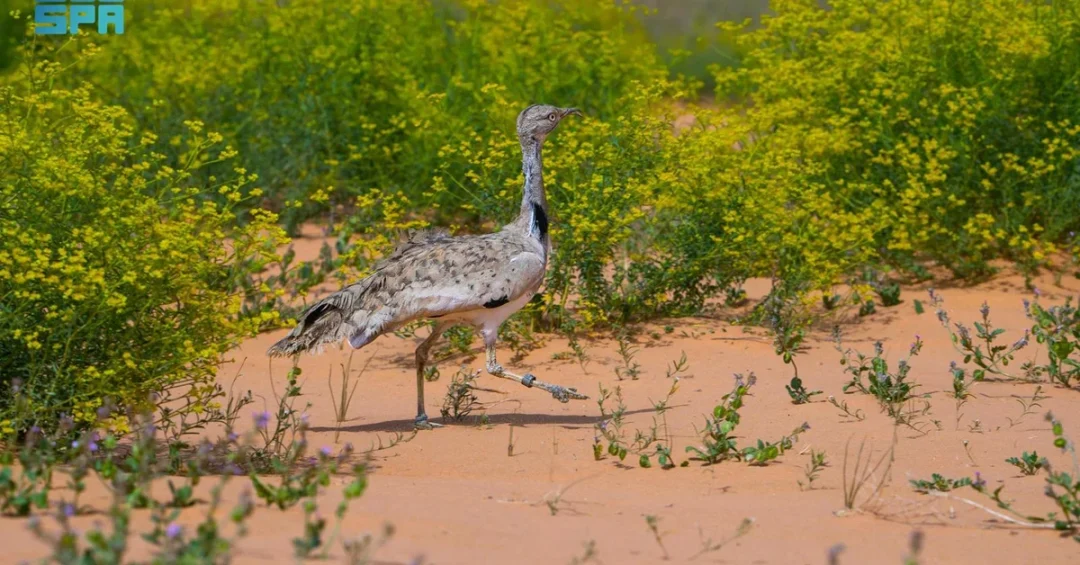
The King Abdulaziz Royal Reserve Development Authority observed the International Day for Biodiversity on May 22, 2024, aligning with the United Nations theme “Be Part of the Plan,” which underscores biodiversity’s essential role in sustainable development and Saudi Vision 2030. The announcement, released via the Saudi Press Agency (SPA), highlights Saudi Arabia’s ongoing commitment to environmental conservation and the ambitious goals of the Saudi Green Initiative.
Context and Background
The International Day for Biodiversity, celebrated annually on May 22, serves as a global platform to raise awareness about the importance of biological diversity. This year’s theme, “Be Part of the Plan,” calls for collective action to halt and reverse biodiversity loss by 2030. For Saudi Arabia, this aligns seamlessly with Saudi Vision 2030, which prioritizes environmental sustainability and economic diversification. The Saudi Green Initiative, launched in 2021, is a key driver, aiming to plant 10 billion trees and restore 40 million hectares of degraded land across the Kingdom.
Key Details
The King Abdulaziz Royal Reserve Development Authority has made significant strides in biodiversity conservation. To date, over 192,000 hectares of land have been revitalized, more than three million wild seedlings cultivated, and 49 million trees planted nationwide. Additionally, 18.1% of wild areas have been designated as protected nature reserves. These efforts have facilitated the reintroduction of over 1,660 endangered animals into their natural habitats. The authority itself has removed over 45 million kilograms of waste and reintroduced 330 threatened species, including the Arabian oryx and the houbara bustard. Large-scale planting initiatives include over 1.3 million seedlings across various projects, such as 100,000 in Rawdat Al-Tanha and one million in the northern and southern regions of Al-Khafs. Collaborations with environmental associations have added 200,000 seedlings and half a million seeds since the authority’s inception.
Implications and Impact
These conservation efforts have profound implications for Saudi Arabia and the broader region. By restoring ecosystems and protecting endangered species, the Kingdom enhances its natural capital, supports climate resilience, and contributes to global biodiversity targets. As a government member of the International Union for Conservation of Nature (IUCN), the authority leverages international partnerships to bolster these efforts. The initiative also promotes eco-tourism and sustainable development, creating economic opportunities while preserving heritage. On the international stage, Saudi Arabia’s leadership in environmental stewardship reinforces its role as a responsible global actor, particularly as it aims for carbon neutrality by 2060.
Vision 2030 Alignment
The King Abdulaziz Royal Reserve’s initiatives are a direct reflection of Saudi Vision 2030’s environmental pillar, which seeks to protect the environment, promote renewable energy, and achieve sustainable development. By integrating public, private, and non-profit sector collaboration, the authority exemplifies the Kingdom’s multifaceted approach to conservation. As Saudi Arabia continues to expand its protected areas and reintroduce native species, it not only safeguards its natural heritage but also sets a benchmark for global conservation efforts, demonstrating that economic prosperity and environmental stewardship can go hand in hand.
20 Questions
Q1. What is the International Day for Biodiversity?
A1. The International Day for Biodiversity is observed annually on May 22 to raise awareness about biodiversity’s importance for sustainable development. It encourages global action to protect ecosystems and species, aligning with the UN’s Sustainable Development Goals and Saudi Vision 2030’s environmental objectives.
Q2. What was the theme for the 2024 International Day for Biodiversity?
A2. The 2024 theme was “Be Part of the Plan,” emphasizing collective responsibility to halt biodiversity loss. It calls on governments, businesses, and individuals to contribute to the global biodiversity framework and support ecosystem restoration.
Q3. How does Saudi Vision 2030 relate to biodiversity?
A3. Saudi Vision 2030 includes environmental sustainability as a key pillar, aiming to protect natural resources, promote renewable energy, and achieve carbon neutrality by 2060. Biodiversity conservation is integral to these goals, ensuring a balanced and prosperous future.
Q4. What is the Saudi Green Initiative?
A4. The Saudi Green Initiative is a national effort launched in 2021 to combat climate change, improve air quality, and protect land and marine ecosystems. It aims to plant 10 billion trees and restore 40 million hectares of land, contributing to global environmental goals.
Q5. What progress has Saudi Arabia made in land revitalization?
A5. Saudi Arabia has revitalized over 192,000 hectares of land, cultivated more than three million wild seedlings, and planted 49 million trees nationwide. These efforts are part of the Saudi Green Initiative, promoting ecosystem restoration and biodiversity.
Q6. How many endangered animals have been reintroduced in Saudi Arabia?
A6. Over 1,660 endangered animals have been reintroduced into their natural habitats across the Kingdom. This includes species like the Arabian oryx and houbara bustard, supported by the King Abdulaziz Royal Reserve Development Authority and other conservation programs.
Q7. What is the role of the King Abdulaziz Royal Reserve Development Authority?
A7. The authority manages the King Abdulaziz Royal Reserve, focusing on restoring environmental balance, preserving heritage, and promoting sustainable development. It collaborates with public, private, and non-profit sectors to achieve these goals.
Q8. How much waste has the authority removed?
A8. The authority has removed over 45 million kilograms of waste from the reserve. This cleanup effort is crucial for restoring habitats and ensuring a healthy environment for wildlife and plant species to thrive.
Q9. What planting initiatives has the authority undertaken?
A9. The authority has planted over 1.3 million seedlings across various projects, including 100,000 in Rawdat Al-Tanha and one million in the northern and southern regions of Al-Khafs. These efforts enhance vegetation cover and support biodiversity.
Q10. How does the authority collaborate with environmental associations?
A10. The authority partners with environmental associations to plant 200,000 seedlings and scatter half a million seeds since its inception. These collaborations amplify conservation impact through shared resources and expertise, benefiting local ecosystems and communities.
Q11. What is the significance of the IUCN membership for the authority?
A11. As a government member of the International Union for Conservation of Nature (IUCN), the authority gains access to global expertise, networks, and best practices. This membership strengthens Saudi Arabia’s biodiversity efforts and international cooperation on conservation.
Q12. What percentage of wild areas in Saudi Arabia are protected?
A12. Currently, 18.1% of wild areas in Saudi Arabia have been transformed into protected nature reserves. This aligns with the national goal to protect 30% of land and marine areas by 2030 under Vision 2030.
Q13. What are the key objectives of the King Abdulaziz Royal Reserve?
A13. The reserve aims to restore environmental balance, reintroduce threatened species, preserve cultural heritage, and promote sustainable development. It serves as a model for integrated conservation and community engagement in Saudi Arabia.
Q14. How does biodiversity conservation support Saudi Arabia’s economy?
A14. Biodiversity conservation supports economic diversification through eco-tourism, sustainable agriculture, and job creation. It also reduces risks from environmental degradation, ensuring long-term prosperity and alignment with Vision 2030’s economic goals.
Q15. What threatened species have been reintroduced by the authority?
A15. The authority has reintroduced 330 threatened species, including the Arabian oryx and houbara bustard. These efforts help restore ecological balance and preserve Saudi Arabia’s natural heritage for future generations.
Q16. How does the authority address climate change?
A16. By restoring ecosystems, planting trees, and protecting biodiversity, the authority contributes to carbon sequestration and climate resilience. These actions support Saudi Arabia’s goal of achieving carbon neutrality by 2060.
Q17. What is the significance of planting 49 million trees?
A17. Planting 49 million trees enhances carbon sinks, improves air quality, and provides habitat for wildlife. It is a major step toward the Saudi Green Initiative’s target of 10 billion trees, promoting environmental sustainability.
Q18. How can the public support biodiversity conservation in Saudi Arabia?
A18. The public can participate in tree-planting events, reduce waste, and support conservation organizations. Raising awareness and adopting sustainable practices are vital to achieving the goals of the Saudi Green Initiative and Vision 2030.
Q19. What international recognition has Saudi Arabia received for its conservation efforts?
A19. Saudi Arabia’s leadership in biodiversity conservation has been recognized through its membership in the IUCN and participation in global environmental agreements. These efforts enhance the Kingdom’s reputation as a responsible global actor.
Q20. How does the King Abdulaziz Royal Reserve contribute to Vision 2030?
A20. The reserve embodies Vision 2030’s environmental pillar by protecting biodiversity, promoting sustainable development, and fostering international cooperation. It ensures a balanced future where economic growth and environmental stewardship coexist.
Reader Feedback
We value your thoughts. Please share your feedback on this article.
Your feedback helps us improve our coverage.