


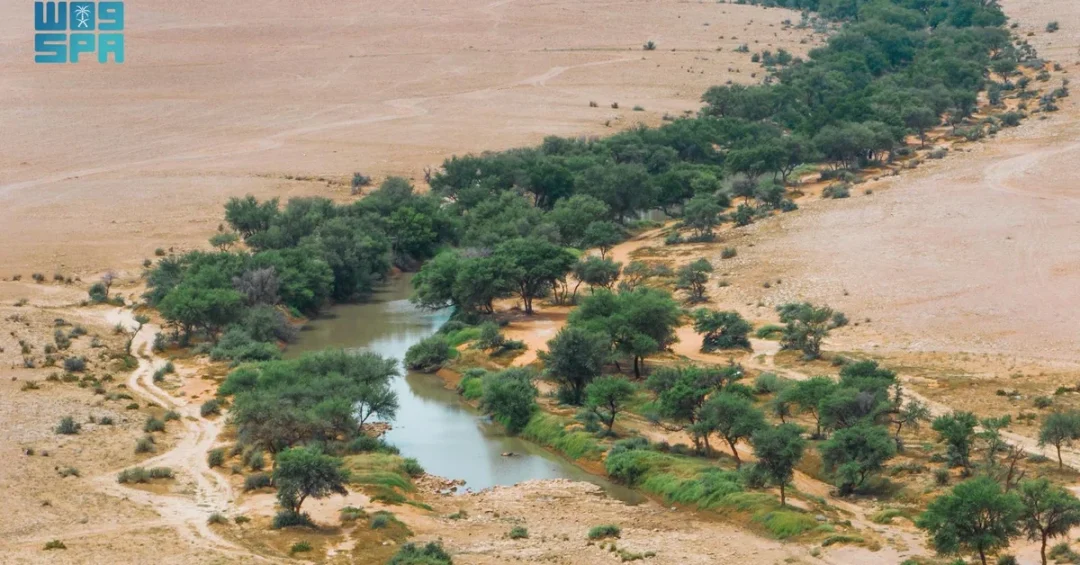
The King Abdulaziz Royal Reserve Development Authority has imposed a comprehensive hunting ban within the reserve’s boundaries, effective immediately, as part of Saudi Arabia’s broader commitment to sustainable resource management and biodiversity conservation. The ban, announced in September 2024, aligns with the royal reserves’ 2030 strategy and the Saudi Green Initiative, underscoring the Kingdom’s dedication to protecting its natural heritage.
Context and Background
King Abdulaziz Royal Reserve is one of seven royal reserves established by Royal Order and is a member of the International Union for Conservation of Nature (IUCN). Chaired by Prince Abdulaziz bin Saud bin Naif bin Abdulaziz, the reserve plays a vital role in preserving Saudi Arabia’s ecological diversity. The hunting ban is part of a larger national effort to combat wildlife depletion and promote environmental sustainability, in line with the Kingdom’s Vision 2030 goals.
The timing of the ban coincides with the National Center for Wildlife’s announcement that the hunting season in Saudi Arabia runs from September 2024 to January 2025. This overlap highlights the proactive stance of the reserve’s authority to protect endangered species and maintain ecological balance.
Key Details
The ban applies to all wildlife, including birds, with particular emphasis on species facing extinction. Field teams from the reserve will collaborate with the Ministry of Interior’s Special Forces for Environmental Security and other concerned agencies to apprehend violators and refer them to authorities for prosecution. The authority stressed that adherence to environmental laws and hunting regulations is mandatory and that violators will face penalties in accordance with the law.
The reserve’s management emphasized that this measure is not merely restrictive but a necessary step to ensure the long-term survival of native species and to support the Kingdom’s conservation objectives. The ban is expected to enhance the reserve’s role as a sanctuary for biodiversity and a model for sustainable environmental practices.
Implications and Impact
This hunting ban is a significant stride in Saudi Arabia’s environmental conservation efforts and reflects the Kingdom’s growing leadership in global sustainability initiatives. By protecting its natural reserves, Saudi Arabia not only preserves its ecological heritage but also contributes to international biodiversity targets. The move is likely to bolster the reserve’s reputation as a conservation leader and attract eco-tourism interest, aligning with the Kingdom’s tourism goals under Vision 2030.
Furthermore, the collaboration with the Special Forces for Environmental Security demonstrates a robust enforcement mechanism, ensuring that conservation laws are respected. This integrated approach sets a precedent for other reserves and regions, both within Saudi Arabia and internationally.
Vision 2030 Alignment
The hunting ban directly supports Saudi Vision 2030’s objectives of environmental sustainability and quality of life improvements. It aligns with the Saudi Green Initiative, which aims to plant 10 billion trees and protect 30% of the Kingdom’s land and sea areas by 2030. By safeguarding its natural reserves, Saudi Arabia reinforces its commitment to a greener future and solidifies its role as a global leader in environmental stewardship.
20 Questions
Q1. What is the King Abdulaziz Royal Reserve?
A1. The King Abdulaziz Royal Reserve is one of seven royal reserves in Saudi Arabia, established by Royal Order. It is a member of the International Union for Conservation of Nature and is dedicated to preserving biodiversity and natural heritage.
Q2. When was the hunting ban announced?
A2. The hunting ban was announced in September 2024 by the King Abdulaziz Royal Reserve Development Authority, effective immediately within the reserve’s boundaries.
Q3. What does the hunting ban cover?
A3. The ban covers all wildlife, including birds, with special attention to species facing extinction. It prohibits any form of hunting within the reserve’s boundaries.
Q4. Why was the hunting ban implemented?
A4. The ban aims to support sustainable resource management and biodiversity conservation, aligning with the royal reserves’ 2030 strategy and the Saudi Green Initiative.
Q5. Who is the chairman of the King Abdulaziz Royal Reserve?
A5. Prince Abdulaziz bin Saud bin Naif bin Abdulaziz serves as the chairman of the King Abdulaziz Royal Reserve Development Authority.
Q6. How will the ban be enforced?
A6. Field teams will collaborate with the Ministry of Interior’s Special Forces for Environmental Security and other agencies to apprehend violators and refer them for prosecution.
Q7. What are the penalties for violating the ban?
A7. Violators will be penalized in accordance with Saudi environmental laws and executive regulations regarding hunting, as stressed by the authority.
Q8. Does the ban coincide with the national hunting season?
A8. Yes, the ban coincides with the National Center for Wildlife’s announcement that the hunting season in Saudi Arabia starts in September 2024 and ends in January 2025.
Q9. What is the Saudi Green Initiative?
A9. The Saudi Green Initiative is a national effort to combat climate change, improve quality of life, and protect the environment, including planting 10 billion trees and conserving land and sea areas.
Q10. How does the ban support Vision 2030?
A10. The ban supports Vision 2030’s environmental sustainability goals and quality of life improvements, reinforcing Saudi Arabia’s commitment to a greener future.
Q11. What is the role of the National Center for Wildlife?
A11. The National Center for Wildlife oversees wildlife conservation and regulates hunting seasons in Saudi Arabia, ensuring sustainable practices and biodiversity protection.
Q12. Are there other royal reserves in Saudi Arabia?
A12. Yes, there are seven royal reserves established by Royal Order, each dedicated to preserving different ecosystems and wildlife across the Kingdom.
Q13. How does the reserve contribute to international conservation?
A13. As a member of the IUCN, the reserve participates in global conservation efforts, sharing best practices and contributing to international biodiversity targets.
Q14. What species are most at risk in the reserve?
A14. The reserve is home to various species, including endangered birds and mammals. The ban particularly protects those facing extinction, though specific species are not listed.
Q15. Can visitors still access the reserve?
A15. The ban focuses on hunting; other activities may be allowed under regulations. Visitors should check with the authority for current guidelines on eco-tourism and recreation.
Q16. How does the ban affect local communities?
A16. The ban ensures long-term ecological balance, which can benefit local communities through sustainable tourism and preserved natural resources, aligning with national development goals.
Q17. What is the significance of the ban for biodiversity?
A17. The ban protects endangered species and allows wildlife populations to recover, enhancing biodiversity and ecosystem health within the reserve.
Q18. How does the ban reflect Saudi Arabia’s environmental leadership?
A18. It demonstrates the Kingdom’s proactive approach to conservation, setting an example for other nations and reinforcing its role in global environmental stewardship.
Q19. What other initiatives support conservation in Saudi Arabia?
A19. The Saudi Green Initiative and the royal reserves’ 2030 strategy are key initiatives, alongside efforts by the National Center for Wildlife and environmental security forces.
Q20. What is the expected outcome of the hunting ban?
A20. The ban is expected to preserve wildlife, enhance biodiversity, and support Saudi Arabia’s sustainability goals, contributing to a balanced ecosystem and sustainable future.
Reader Feedback
We value your thoughts. Please share your feedback on this article.
Your feedback helps us improve our coverage.