


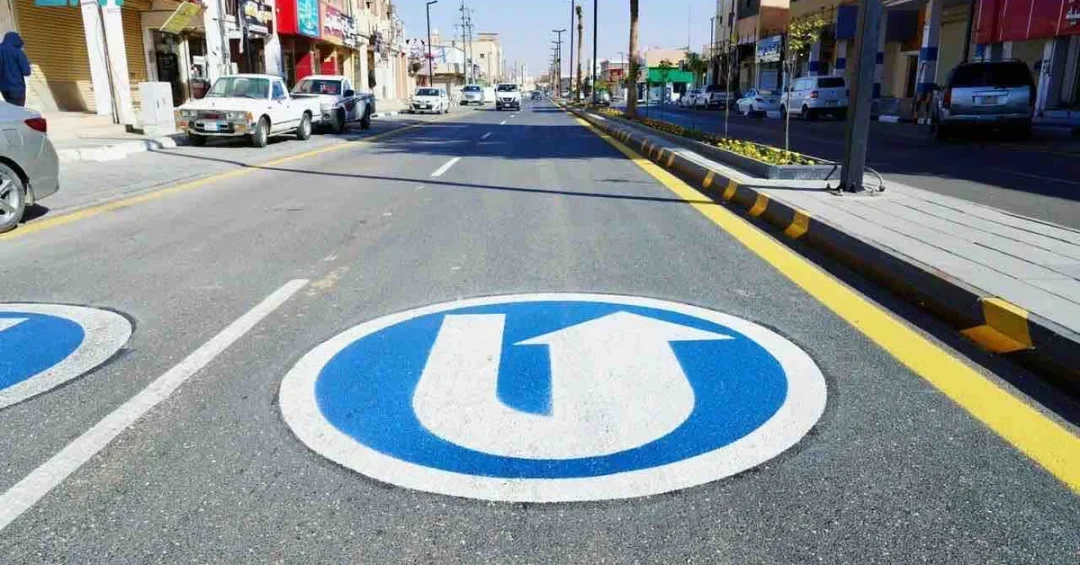
King Faisal Street in Rafha Governorate stands as a living testament to more than seven decades of history, recently rejuvenated through a comprehensive development project by Rafha Municipality that blends heritage with modernity. The street, which dates back to the establishment of Rafha along the pipeline transporting crude oil from the Eastern Region to Europe, remains a vibrant hub that chronicles the governorate’s rich past while embracing a forward-looking vision for the future.
Context and Background
Rafha Governorate, located in the Northern Borders Province of Saudi Arabia, was established alongside a critical oil pipeline that facilitated the transport of crude oil from the Eastern Region to Europe. This strategic location spurred the growth of a community that has since flourished into a significant urban center. King Faisal Street, named in honor of the late King Faisal, has been at the heart of Rafha’s development, serving as a commercial and social artery that connects generations. Its historical significance is deeply intertwined with the governorate’s founding, as it emerged as a vital thoroughfare for trade and daily life. Over the years, the street has witnessed the evolution of Rafha from a modest settlement to a bustling governorate, preserving the authenticity of its old-world charm while adapting to modern needs. The street’s old market, with its traditional shops and architectural character, continues to attract visitors eager to experience its nostalgic ambiance and historical allure.
Key Details
Recently, Rafha Municipality undertook a remarkable rehabilitation and development project along King Faisal Street, aimed at enhancing its infrastructure and aesthetic appeal while preserving its historical essence. The project included extending the street by 1,270 meters and widening it by 21 meters, significantly improving traffic flow and pedestrian accessibility. The renovation also encompassed re-paving the road, constructing sidewalks, installing modern lighting, and enhancing the median strip with trees and illumination. A key aspect of the project was the unification of the colors of the facades of the old-style shops and the standardization of shop identification signs, creating a cohesive visual identity that respects the street’s heritage. This initiative is part of broader efforts by the municipality to humanize the governorate and improve the quality of life for residents and visitors alike. The transformed street now offers a harmonious blend of the past and present, where the aroma of history meets contemporary comfort.
Implications and Impact
The revitalization of King Faisal Street carries significant implications for Rafha Governorate and beyond. By preserving the street’s historical character while integrating modern infrastructure, the project enhances the area’s appeal as a cultural and commercial destination. This not only boosts local pride but also attracts tourists and investors, contributing to economic diversification. The street’s renovation aligns with Saudi Arabia’s broader efforts to promote domestic tourism and showcase the Kingdom’s rich heritage. Moreover, the project serves as a model for other regions, demonstrating how urban development can honor history while meeting contemporary needs. The improved infrastructure facilitates better connectivity and mobility, supporting the movement of goods and people, which is essential for regional trade. Additionally, the beautification efforts create a welcoming environment that fosters community interaction and social cohesion, further enriching the quality of life for all.
Vision 2030 Alignment
The development of King Faisal Street is a tangible reflection of Saudi Arabia’s Vision 2030, which aims to enhance the quality of life, preserve cultural heritage, and promote sustainable urban development. By revitalizing this historic street, Rafha Municipality contributes to the Vision’s objectives of creating vibrant communities and boosting tourism. The project underscores the Kingdom’s commitment to modernizing infrastructure while respecting its cultural identity, a balance that is central to Vision 2030. As Saudi Arabia continues to transform its cities into hubs of innovation and heritage, initiatives like this demonstrate how local projects can drive national progress. King Faisal Street now stands as a symbol of Rafha’s enduring spirit and a beacon of the Kingdom’s promising future.
20 Questions
Q1. What is King Faisal Street known for in Rafha Governorate?
A1. King Faisal Street is renowned for embracing Rafha’s old market and chronicling over seven decades of the governorate’s history, serving as a living testament to its establishment and development.
Q2. When was King Faisal Street established?
A2. The street dates back to the establishment of Rafha Governorate along the pipeline that transports crude oil from the Eastern Region to Europe, over seventy years ago.
Q3. What recent developments have occurred on King Faisal Street?
A3. Rafha Municipality recently implemented a rehabilitation project that lengthened the street by 1,270 meters, widened it by 21 meters, and added new paving, sidewalks, lighting, and landscaping.
Q4. How does King Faisal Street reflect the history of Rafha?
A4. The street’s old-style shops and traditional architecture serve as an artistic painting that documents Rafha’s history, attracting visitors due to its historical status and authenticity.
Q5. What is the significance of the pipeline for Rafha Governorate?
A5. The pipeline transporting crude oil from the Eastern Region to Europe was instrumental in Rafha’s establishment, providing a foundation for the governorate’s growth and economic activity.
Q6. How has Rafha Municipality contributed to the street’s revival?
A6. The municipality executed development and rehabilitation projects, including unifying shop facades and signs, re-paving, and improving the median strip, as part of efforts to humanize the governorate.
Q7. What does the term ‘humanize the governorate’ refer to?
A7. It refers to urban planning initiatives that enhance the quality of life by creating more pedestrian-friendly, aesthetically pleasing, and community-oriented spaces within the governorate.
Q8. Why is King Faisal Street still popular among visitors?
A8. Its historical status, antiquity, and authentic character continue to draw large numbers of visitors who appreciate the nostalgic atmosphere and cultural heritage.
Q9. What changes were made to the shop facades on King Faisal Street?
A9. The renovation unified the colors of the facades of old-style shops and standardized shop identification signs to create a cohesive and visually appealing environment.
Q10. How does the street’s development align with Saudi Vision 2030?
A10. It aligns with Vision 2030 by improving quality of life, preserving cultural heritage, and promoting sustainable urban development, contributing to vibrant communities and tourism.
Q11. What role does King Faisal Street play in the local economy?
A11. As a commercial hub with its old market, the street supports local businesses, attracts tourists, and stimulates economic activity, contributing to the governorate’s prosperity.
Q12. How has the infrastructure of King Faisal Street been improved?
A12. Improvements include re-paving, new sidewalks, modern lighting, and an enhanced median strip with trees and lighting, making the street more accessible and attractive.
Q13. What is the historical significance of the street’s name?
A13. The street is named after King Faisal, reflecting the respect and honor for the late monarch whose legacy is celebrated across Saudi Arabia.
Q14. How does the street contribute to tourism in the region?
A14. Its historical charm and recent beautification make it a unique destination, attracting visitors interested in heritage and culture, thereby boosting local tourism.
Q15. What measures were taken to preserve the street’s old character?
A15. The renovation preserved the old-style architecture while unifying colors and signs, ensuring that the historical essence remains intact amidst modern upgrades.
Q16. How does the project reflect Saudi Arabia’s commitment to heritage?
A16. It demonstrates the Kingdom’s dedication to preserving its cultural heritage while pursuing modernization, a balance central to Saudi Vision 2030.
Q17. What benefits does the widened street bring to the community?
A17. The widening improves traffic flow, enhances safety, and provides more space for pedestrians and commercial activities, benefiting residents and visitors alike.
Q18. What is the significance of the median strip improvement?
A18. The median strip with trees and lighting adds aesthetic value, creates a welcoming environment, and contributes to the overall beautification of the street.
Q19. How does King Faisal Street serve as a model for other regions?
A19. It exemplifies how urban development can blend historical preservation with modern infrastructure, offering a blueprint for similar projects across the Kingdom.
Q20. What does the future hold for King Faisal Street?
A20. With ongoing development and alignment with Vision 2030, the street is poised to remain a vibrant cultural and commercial landmark, continuing to attract visitors and serve the community.
Reader Feedback
We value your thoughts. Please share your feedback on this article.
Your feedback helps us improve our coverage.