


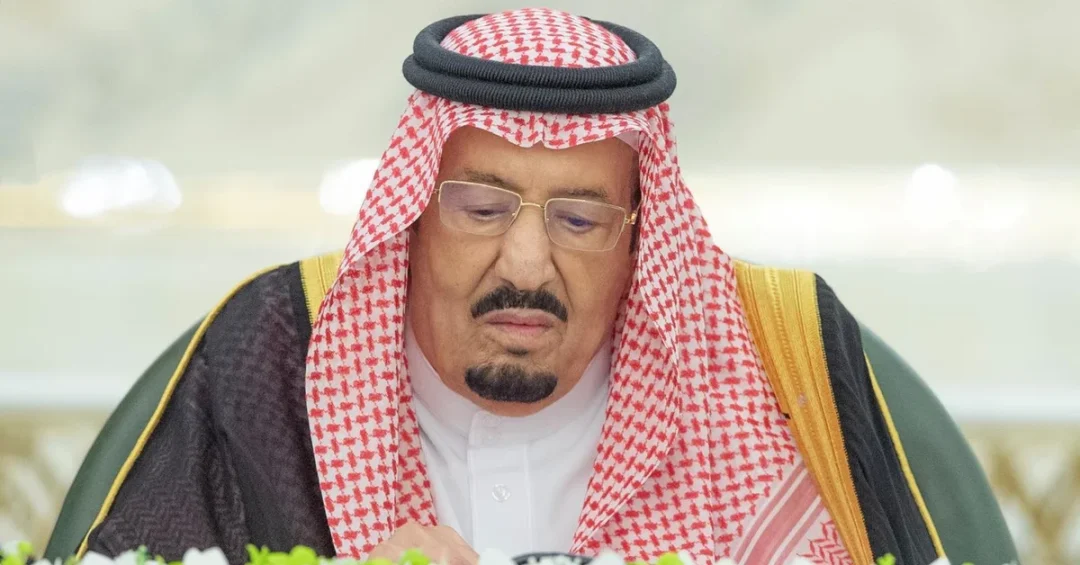
The Custodian of the Two Holy Mosques, King Salman bin Abdulaziz Al Saud, chaired the Saudi Cabinet meeting held in Jeddah on Tuesday, reviewing a comprehensive agenda that underscored the Kingdom’s proactive role in regional security, economic diversification, and digital transformation. During the session, the Cabinet reviewed recent diplomatic consultations and bilateral engagements with friendly and brotherly nations, aiming to strengthen cooperation frameworks and bolster security and stability both regionally and internationally.
Context and Background
The meeting took place against a backdrop of significant geopolitical developments, particularly in the maritime domain. The Cabinet welcomed the operational and institutional launch of the multinational maritime defense coalition initiated by Saudi Arabia, following the completion of its organizational and planning structures. This coalition marks a new phase of collaborative efforts to achieve full operational capability, with the mission of enhancing collective maritime security, protecting freedom of navigation, securing sea lanes and straits, and ensuring the continuity of international trade and global supply chains.
In his statement to the Saudi Press Agency (SPA) after the session, Minister of Media Salman Al-Dossary reiterated the Cabinet’s categorical rejection of repeated Iranian attacks against commercial ships and carriers. These acts were described as a dangerous escalation and a direct threat to the safety and security of maritime navigation, constituting a grave violation of international laws and norms, as well as a blatant challenge to the UN Security Council resolution calling for respect of navigation rights and freedom in the Strait of Hormuz.
Key Decisions and Developments
The Cabinet considered the establishment of the Saudi-Sudanese Coordination Council as a continuation of the will of both brotherly countries to support joint coordination within an institutional framework, contributing to the development of cooperation and integration through tangible results, initiatives, projects, and objectives that meet shared aspirations. Additionally, the Cabinet praised Saudi Arabia’s successful presidency of the 16th session of the Conference of the Parties (COP16) to the United Nations Convention to Combat Desertification (UNCCD), marked by the launch of partnerships and initiatives addressing land degradation, desertification, and drought, while enhancing water and food security and climate adaptation.
On the national front, the Cabinet reviewed achievements in the education sector ahead of the new academic year, highlighting improvements in organizational efficiency, expansion of student experiences, teacher development, and the provision of modern curricula and programs that foster innovation and creativity, aligning with Vision 2030’s human capacity development goals. The Cabinet also lauded the financial performance of the Public Investment Fund (PIF), noting growth in revenues and net income for 2025, alongside its continued efforts in economic diversification and investments in strategic sectors such as artificial intelligence, technology, energy, infrastructure, and advanced industry.
Furthermore, the Cabinet welcomed the tangible progress made by government entities in the Digital Experience Maturity Index for 2026, reflecting their commitment to developing flexible and efficient technological solutions that provide optimal procedures and high-quality services to citizens, residents, and visitors, consistent with the Kingdom’s leadership in international rankings. In line with World Humanitarian Day (observed Wednesday), the Cabinet expressed pride in Saudi Arabia’s pioneering humanitarian role, highlighting its status among the world’s leading donor countries.
Implications and International Impact
These decisions underscore Saudi Arabia’s growing influence as a stabilizer in regional security and a champion of multilateral cooperation. The maritime coalition initiative signals the Kingdom’s commitment to safeguarding global trade routes, which is vital for the world economy. The condemnation of Iranian attacks reinforces Saudi Arabia’s firm stance on upholding international law. The COP16 presidency demonstrates environmental leadership, while the focus on PIF performance and digital maturity indicates a strong trajectory toward economic diversification and modernization, positioning the Kingdom as a hub for innovation and investment.
Vision 2030 Alignment
All these measures align with Saudi Arabia’s Vision 2030, which aims to transform the Kingdom into a global investment powerhouse, a hub connecting three continents, and a leader in sustainable development. The Cabinet’s actions reflect a strategic approach to diversifying the economy, enhancing digital government services, and fostering international partnerships. By prioritizing maritime security, environmental sustainability, education reform, and fiscal strength, the Kingdom is laying the groundwork for a resilient and prosperous future, consistent with the aspirations of its people and its role as a responsible global actor.
20 Questions
Q1. Who chaired the Saudi Cabinet meeting in Jeddah?
A1. The Custodian of the Two Holy Mosques, King Salman bin Abdulaziz Al Saud, chaired the Cabinet meeting held in Jeddah on Tuesday, August 18, 2026, according to the Saudi Press Agency.
Q2. What was the key maritime security initiative discussed?
A2. The Cabinet welcomed the operational and institutional launch of a multinational maritime defense coalition initiated by Saudi Arabia, which has completed its organizational structures and aims to achieve full operational capability for collective maritime security.
Q3. How did the Cabinet view Iranian attacks on commercial ships?
A3. The Cabinet renewed its categorical rejection of repeated Iranian attacks on ships and commercial carriers, considering them a dangerous escalation and a direct threat to maritime navigation safety, violating international laws and UN Security Council resolutions.
Q4. What new bilateral council was established?
A4. The Cabinet considered the creation of the Saudi-Sudanese Coordination Council, which will institutionalize joint coordination to develop cooperation and integration through tangible projects and initiatives.
Q5. What success did Saudi Arabia achieve at COP16?
A5. Saudi Arabia successfully presided over the 16th session of the UNCCD COP, launching partnerships and initiatives to combat desertification, enhance water and food security, and promote climate adaptation.
Q6. What is the significance of the maritime coalition?
A6. The coalition aims to protect freedom of navigation, secure sea lanes and straits, and ensure continuity of international trade and global supply chains, enhancing collective maritime security.
Q7. What did the Cabinet say about education?
A7. The Cabinet reviewed achievements in education ahead of the new school year, focusing on improving organizational efficiency, teacher skills, curricula, and programs that stimulate innovation and creativity.
Q8. How did the Cabinet assess the Public Investment Fund’s performance?
A8. The Cabinet praised the PIF’s financial performance, noting growth in revenues and net income for 2025, as well as its continued contributions to economic diversification and strategic investments.
Q9. What is the Digital Experience Maturity Index?
A9. It is an index that measures government entities’ digital maturity, and the Cabinet welcomed progress in 2026, reflecting efforts to provide high-quality digital services to citizens, residents, and visitors.
Q10. Why was World Humanitarian Day mentioned?
A10. The Cabinet expressed pride in Saudi Arabia’s pioneering humanitarian role, highlighting its status among leading donor countries, based on a record of substantial aid to people in need worldwide.
Q11. What did the Cabinet say about the Strait of Hormuz?
A11. The Cabinet condemned Iranian actions that challenge the UN Security Council resolution respecting navigation rights and freedom in the Strait of Hormuz, calling for adherence to international law.
Q12. How does the maritime coalition align with Vision 2030?
A12. The coalition supports Vision 2030 by promoting a stable and secure environment for trade and investment, aligning with the Kingdom’s goal to become a global investment hub.
Q13. What is the role of the Saudi-Sudanese council?
A13. It aims to institutionalize coordination between the two countries, developing cooperation and integration through tangible results, projects, and initiatives that serve shared interests.
Q14. How does COP16 presidency benefit the environment?
A14. It launched partnerships and initiatives to tackle land degradation, desertification, and drought, while promoting innovative solutions for environmental protection and sustainable development.
Q15. What did the Cabinet say about Iran’s attacks?
A15. They are a grave violation of international laws and a blatant challenge to UN Security Council resolutions, posing a direct threat to the safety and security of maritime navigation.
Q16. How is education linked to Vision 2030?
A16. Education improvements aim to develop human capacities, stimulate innovation and creativity, and contribute to achieving Vision 2030 objectives of a knowledge-based economy.
Q17. What are the PIF’s strategic sectors?
A17. The PIF is expanding investments in artificial intelligence, technology, energy, infrastructure, and advanced industry, supporting economic diversification.
Q18. What does digital maturity mean for citizens?
A18. It means more efficient, user-friendly government services, improving the experience of citizens, residents, and visitors, and enhancing the Kingdom’s competitiveness.
Q19. How does the Cabinet ensure regional stability?
A19. Through initiatives like the maritime coalition, condemnation of threats, and bilateral coordination councils, Saudi Arabia works to consolidate security and stability regionally.
Q20. What is the overall message of the Cabinet meeting?
A20. The meeting reaffirmed Saudi Arabia’s leadership in regional security, economic modernization, and humanitarian aid, all aligned with Vision 2030 for a prosperous and stable future.
Reader Feedback
We value your thoughts. Please share your feedback on this article.
Your feedback helps us improve our coverage.