


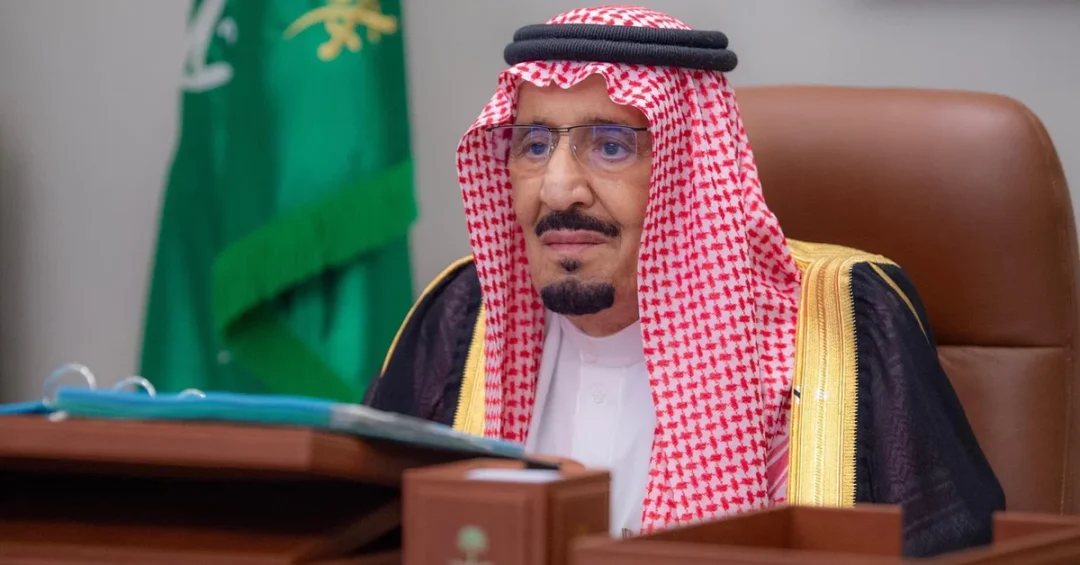
On May 28, 2024, the Custodian of the Two Holy Mosques, King Salman bin Abdulaziz Al Saud, chaired the Saudi Cabinet’s virtual session. The meeting, conducted remotely, began with expressions of gratitude to the people of the Kingdom and leaders of friendly nations for their well-wishes during the King’s recent recovery. The Cabinet, led by His Royal Highness Prince Mohammed bin Salman bin Abdulaziz Al Saud, Crown Prince and Prime Minister, offered prayers for the King’s continued health and leadership, underscoring the nation’s unity and forward momentum.
Context and Background
The Cabinet session, held under the direct chairmanship of King Salman, is a testament to the resilience and continuity of Saudi governance. It comes at a time when the Kingdom is accelerating its Vision 2030 reforms, focusing on economic diversification, global engagement, and social development. The virtual format reflects the Kingdom’s adoption of modern communication technologies, ensuring seamless governance even in challenging circumstances. The session also reviewed recent diplomatic communications, including a message from Senegal’s president and phone calls with France’s president and Japan’s prime minister, highlighting Saudi Arabia’s active role in fostering international partnerships.
Key Details
In a statement to the Saudi Press Agency, State Minister Dr. Issam bin Saad bin Saeed detailed the Cabinet’s deliberations. The ministers lauded Saudi Arabia’s unanimous election to the International Transport Forum and the successful bid to host the UNCTAD Global Supply Chain Forum in 2026. These achievements underscore the Kingdom’s global leadership in transport and logistics, aligned with its strategic location and ambitious infrastructure projects. The Cabinet also praised the success of the Future Aviation Forum in Riyadh, which attracted over 100 agreements and MoUs, and investments worth tens of billions, poised to transform the aviation sector.
Additionally, the Cabinet celebrated Saudi Arabia’s new global records in reducing electricity production costs from wind energy, reinforcing its commitment to renewable energy and environmental sustainability. This aligns with the Kingdom’s initiatives to diversify energy sources, reduce carbon emissions, and enhance its position as a leader in clean energy export.
The session also addressed regional issues, reiterating Saudi Arabia’s strong condemnation of violations by Israeli occupation forces and calling for international intervention to alleviate the humanitarian crisis in Palestine. The Cabinet approved twelve key decisions, including a headquarters agreement with the Islamic Military Counter Terrorism Coalition Center, cultural cooperation MoUs with Uruguay and Chile, accession to the Agriculture Innovation Mission for Climate, a geology and mineral resources MoU with Russia, a model economic cooperation MoU, an education cooperation MoU with the US, a veterinary drug regulation MoU with the UK, an anti-corruption MoU with Azerbaijan, a traditional arts MoU with Italy, and the adoption of several GCC-wide frameworks and laws. Additionally, the Modern Institute of the Capital in Riyadh will be transformed into a non-profit organization, and a new “Green Riyadh Foundation” is to be established.
Implications and Impact
The decisions taken during this Cabinet session have far-reaching implications. Internationally, they strengthen Saudi Arabia’s bilateral ties across multiple sectors—from culture and education to geology and anti-corruption—reinforcing the Kingdom’s soft power and economic diplomacy. The approval of the economic MoU model paves the way for standardized cooperation with numerous countries, streamlining future agreements. Domestically, the transformation of the Modern Institute and the creation of the Green Riyadh Foundation signal a continued focus on education, innovation, and environmental sustainability, all core pillars of Vision 2030. The emphasis on renewable energy and aviation highlights the Kingdom’s strategic investments in future-proof industries, positioning it as a hub for global connectivity and green technology.
Vision 2030 Alignment
This Cabinet session is a clear embodiment of Vision 2030’s ambitions. Every decision aligns with the Kingdom’s strategic goals of economic diversification, international collaboration, and social progress. The focus on renewable energy, transport, and logistics supports the vision of a sustainable and globally integrated economy. The cultural and educational agreements foster human capital development and cultural exchange, while the anti-corruption and governance measures enhance transparency and institutional efficiency. As Saudi Arabia continues to host global forums and break new records, the Vision 2030 roadmap is being executed with precision, ensuring a prosperous and resilient future for the Kingdom and its people.
20 Questions
Q1. When did King Salman chair the Cabinet session?
A1. King Salman chaired the Cabinet session on May 28, 2024, virtually. The session was conducted remotely, showcasing the Kingdom’s ability to maintain efficient governance regardless of physical constraints.
Q2. Who participated in the Cabinet session?
A2. The session included Crown Prince Mohammed bin Salman, the Prime Minister, and all Cabinet members. They expressed gratitude for King Salman’s recovery and reaffirmed their commitment to his leadership and the nation’s progress.
Q3. What was the primary focus of the Cabinet’s initial discussions?
A3. The initial discussions focused on thanking the people of Saudi Arabia and leaders of friendly nations for their well-wishes during King Salman’s recovery. The King also prayed for the happiness and health of all, reflecting the session’s positive and unifying tone.
Q4. Which international leader’s message was reviewed?
A4. The Cabinet reviewed a message from Senegal’s president. This is part of Saudi Arabia’s ongoing diplomatic engagement to strengthen bilateral relations and explore collaborative opportunities across various sectors.
Q5. With which countries did the Crown Prince have phone calls?
A5. Crown Prince Mohammed bin Salman had phone calls with France’s president and Japan’s prime minister. These discussions focused on strengthening relations and exploring further collaboration, emphasizing Saudi Arabia’s active global diplomacy.
Q6. What did the Cabinet say about the International Transport Forum?
A6. The Cabinet praised Saudi Arabia’s unanimous election to the International Transport Forum. This election is seen as a recognition of the Kingdom’s global leadership in transport and its ambitious initiatives to develop this vital sector.
Q7. When will Saudi Arabia host the UNCTAD Global Supply Chain Forum?
A7. Saudi Arabia will host the UNCTAD Global Supply Chain Forum in 2026. Winning the bid for this prestigious event underscores the Kingdom’s strategic importance as a global logistics hub and its commitment to enhancing supply chain resilience.
Q8. What was the outcome of the Future Aviation Forum?
A8. The Future Aviation Forum in Riyadh resulted in over 100 agreements and MoUs signed, and investments worth tens of billions. These outcomes are set to make significant strides in the aviation sector and enhance Saudi Arabia’s position in the global air transport industry.
Q9. What achievement did the Cabinet note regarding wind energy?
A9. The Cabinet highlighted Saudi Arabia’s new global records in reducing the cost of electricity production from wind energy. This achievement supports the Kingdom’s efforts to diversify energy sources, increase clean energy use, and reduce carbon emissions.
Q10. What regional issue did the Cabinet address?
A10. The Cabinet discussed the ongoing violations by Israeli occupation forces and stressed the need for international intervention to alleviate the humanitarian catastrophe facing the Palestinian people. Saudi Arabia reiterated its strong condemnation of these actions.
Q11. What is the first decision approved by the Cabinet?
A11. The first decision approved a headquarters agreement between the Kingdom of Saudi Arabia and the Islamic Military Counter Terrorism Coalition Center. This move enhances cooperation in counter-terrorism efforts, reinforcing regional security.
Q12. Which countries are involved in cultural cooperation MoUs?
A12. The Cabinet authorized the minister of culture to discuss and sign draft MoUs with Uruguay and Chile. These agreements aim to enhance cooperation in the cultural field, promoting cultural exchange and mutual understanding.
Q13. What is the Agriculture Innovation Mission for Climate?
A13. Saudi Arabia approved its accession to the Agriculture Innovation Mission for Climate initiative through the Ministry of Environment, Water and Agriculture. This initiative focuses on climate-smart agriculture and sustainable food systems, aligning with global climate goals.
Q14. What MoU was approved with Russia?
A14. The Cabinet approved a memorandum of understanding for cooperation between Saudi Arabia’s Ministry of Industry and Mineral Resources and Russia’s Ministry of Natural Resources and Environment in geology and mineral resources. This strengthens bilateral ties in the mining sector.
Q15. What is the purpose of the model economic MoU?
A15. The Cabinet approved a draft model memorandum of understanding for economic cooperation between the Saudi Ministry of Economy and Planning and its foreign counterparts. This model will guide future bilateral economic agreements, streamlining cooperation with other countries.
Q16. Which country will have an education cooperation MoU?
A16. The Cabinet authorized the minister of education to discuss and sign a draft memorandum of cooperation in higher education and scientific research with the American side. This aims to enhance academic collaboration and research partnerships.
Q17. What is the MoU with the UK about?
A17. The Cabinet authorized the chairman of the Saudi Food and Drug Authority to discuss and sign a draft MoU with the Veterinary Medicines Directorate (VMD) in Great Britain and Northern Ireland. This MoU focuses on cooperation in veterinary drug regulation.
Q18. What is the anti-corruption MoU with Azerbaijan?
A18. The Cabinet approved a memorandum of understanding between the Saudi Control and Anti-Corruption Authority and the Republic of Azerbaijan Prosecutor General’s Office. This MoU aims to prevent and combat corruption, enhancing governance and integrity.
Q19. Which Italian institution is involved in a traditional arts MoU?
A19. The Cabinet approved a MoU between the Saudi Royal Institute of Traditional Arts and the Polytechnic University of Milan, Italy. This cooperation focuses on traditional arts, preserving cultural heritage and fostering artistic exchange.
Q20. What is the Green Riyadh Foundation?
A20. The Cabinet approved, in principle, the establishment of a foundation named “Green Riyadh Foundation”. This initiative aligns with the Saudi Green Initiative and Vision 2030, aiming to increase green spaces, enhance sustainability, and improve the quality of life in Riyadh.
Reader Feedback
We value your thoughts. Please share your feedback on this article.
Your feedback helps us improve our coverage.