


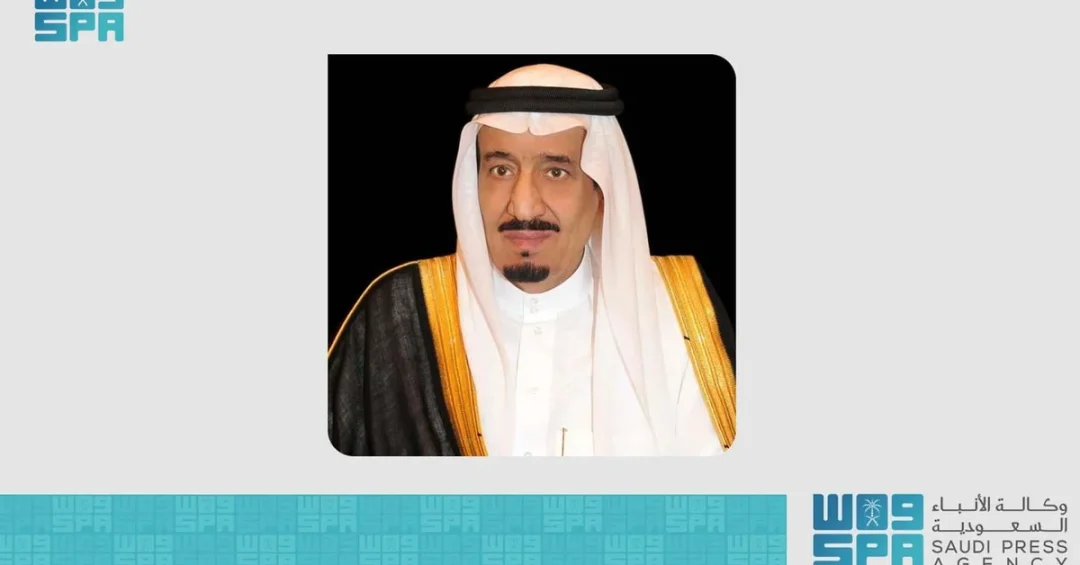
Custodian of the Two Holy Mosques King Salman bin Abdulaziz Al Saud has sent a cable of condolences and sympathy to Amir of the State of Kuwait Sheikh Mishal Al-Ahmad Al-Jaber Al-Sabah on the passing of Sheikh Mohammed Abdulaziz Hamoud Al-Jarrah Al-Sabah, according to a statement released by the Saudi Press Agency (SPA) from Riyadh on November 26, 2024. In the cable, the Custodian of the Two Holy Mosques extended his deepest condolences and sincere sympathy to the Amir of Kuwait and the family of the deceased, praying to Allah Almighty to grant him abundant mercy and forgiveness. This gesture underscores the profound and enduring bonds between the Kingdom of Saudi Arabia and the State of Kuwait, two nations whose histories, cultures, and futures are inextricably linked through shared values and mutual respect.
How does such an expression of condolence reflect the depth of Saudi-Kuwaiti relations? It highlights the close fraternal ties that have long characterized the relationship between the two Gulf neighbors, rooted in kinship, shared heritage, and a common vision for regional stability and prosperity. The message from King Salman is not merely a diplomatic formality but a genuine extension of sympathy that resonates across the Gulf region, reaffirming the Kingdom’s commitment to standing with its allies in times of sorrow. It also illustrates the personal touch that Saudi leadership brings to international relations, emphasizing human connections that transcend political boundaries.
Context and Background
What is the significance of this condolence message within the broader context of Saudi-Kuwaiti relations? The relationship between the Kingdom of Saudi Arabia and the State of Kuwait is one of the most enduring and multifaceted in the Arab world, built on a foundation of geographic proximity, shared history, and common strategic interests. Both nations are founding members of the Gulf Cooperation Council (GCC), established in 1981, which has served as a platform for economic, security, and cultural cooperation. Over the decades, Saudi Arabia and Kuwait have coordinated closely on issues ranging from regional security to economic diversification, with Saudi Vision 2030 and Kuwait Vision 2035 aligning in their goals of reducing oil dependence and fostering sustainable development.
The passing of Sheikh Mohammed Abdulaziz Hamoud Al-Jarrah Al-Sabah, a member of Kuwait’s ruling Al-Sabah family, is a moment of mourning for Kuwait and its people. The Al-Sabah family has led Kuwait since the 18th century, and its members have played pivotal roles in shaping the nation’s modern identity. Sheikh Mohammed’s life and contributions, though not detailed in the official statement, are part of a legacy that has helped steer Kuwait through periods of challenge and opportunity. In extending condolences, King Salman acknowledges this heritage and the shared grief of the Kuwaiti people, reinforcing the sense of fraternity that binds the two nations.
Such diplomatic gestures are customary among Gulf leaders, but they carry particular weight when they come from the Custodian of the Two Holy Mosques, a title that bestows upon King Salman a unique spiritual and moral authority in the Islamic world. His message to Amir Sheikh Mishal Al-Ahmad Al-Jaber Al-Sabah is therefore not only a political courtesy but also a religious and humanitarian expression of solidarity. It reflects the Islamic tradition of offering condolences and prayers for the deceased, a practice that underscores the shared faith and values of Saudi Arabia and Kuwait.
Key Details of the Condolence Message
What exactly did the condolence message convey? According to the Saudi Press Agency, the cable was sent from Riyadh on November 26, 2024, and contained heartfelt words of sympathy. King Salman extended his “deepest condolences and sincere sympathy” to Amir Sheikh Mishal and the family of Sheikh Mohammed Abdulaziz Hamoud Al-Jarrah Al-Sabah. The message also included a prayer to Allah Almighty to grant the deceased “abundant mercy and forgiveness,” a standard yet profound invocation in Islamic tradition that seeks divine clemency for the departed soul.
The phrasing used in the cable is significant. It combines formal diplomatic language with personal warmth, reflecting the close relationship between the Saudi and Kuwaiti leaderships. The Custodian of the Two Holy Mosques did not merely send a perfunctory note; he invoked religious blessings, which adds a layer of spiritual sincerity to the message. This is consistent with King Salman’s longstanding approach to leadership, which emphasizes piety, humility, and brotherly love among Muslims and Arabs. The cable was reported by the Saudi Press Agency, the Kingdom’s official news agency, ensuring that the message reached a wide audience both domestically and internationally.
Furthermore, the timing of the message—November 26, 2024—demonstrates the immediacy with which Saudi Arabia responds to events affecting its allies. The swift expression of condolences is a testament to the efficiency of Saudi diplomacy and the importance the Kingdom places on maintaining strong ties with its neighbors. It also reflects the institutionalized nature of GCC relations, where such communications are part of a well-established protocol that reinforces regional cohesion.
International and Regional Impact
How does this condolence message impact the broader regional and international landscape? In the context of Middle Eastern geopolitics, gestures of solidarity among Gulf states are closely watched by observers as indicators of the health of alliances. The Saudi-Kuwaiti relationship is a cornerstone of GCC unity, and any affirmation of that bond sends a reassuring signal to other members and to international partners. It demonstrates that despite occasional differences in policy, the Gulf states remain committed to a collective security framework and mutual support. For global powers with interests in the region, such as the United States, China, and European nations, the continued cohesion of the GCC is a stabilizing factor in an often volatile neighborhood.
Moreover, the message reinforces Saudi Arabia’s role as a responsible regional leader. By honoring the deceased and comforting the Kuwaiti leadership, King Salman exemplifies the Kingdom’s commitment to humanitarian values and diplomatic etiquette. This is particularly important as Saudi Arabia continues to assert its influence on the world stage through initiatives like Vision 2030, which aims to position the Kingdom as a global hub for investment, tourism, and innovation. Strong relationships with neighbors like Kuwait are essential to that vision, as they contribute to a stable and prosperous Gulf region that can attract international engagement.
The condolence also highlights the personal dimensions of leadership in the Gulf. Unlike many Western democracies where diplomacy is largely institutional, Gulf leaders often cultivate close personal ties that facilitate communication and cooperation. The message from King Salman to Amir Sheikh Mishal is an example of this personalized diplomacy, which can help de-escalate tensions and build trust. In a region where face-to-face interactions and symbolic gestures carry significant weight, such acts of kindness are not trivial but rather integral to the conduct of foreign policy.
Economic and Strategic Significance
What economic and strategic considerations underpin the Saudi-Kuwaiti relationship, and how does this condolence message fit into that framework? Saudi Arabia and Kuwait share deep economic ties, particularly in the energy sector. Both are major oil producers and members of the Organization of the Petroleum Exporting Countries (OPEC), often coordinating their production policies to stabilize global oil markets. The Kingdom and Kuwait also collaborate on joint ventures, such as the Al-Khafji oil field, which is operated by the Kuwait Gulf Oil Company and Saudi Aramco. These economic partnerships are vital to both nations’ revenues and to global energy security, making the maintenance of harmonious relations a strategic imperative.
Beyond energy, the two countries are exploring new avenues for cooperation aligned with their respective diversification agendas. Saudi Vision 2030 and Kuwait Vision 2035 both emphasize private sector growth, foreign investment, and the development of non-oil industries. There are opportunities for collaboration in logistics, tourism, and technology, leveraging their strategic locations and infrastructure. For instance, Saudi Arabia’s NEOM project and Kuwait’s Silk City development could potentially complement each other in creating new trade corridors and economic zones. The condolence message, while primarily a humanitarian gesture, indirectly reinforces the political goodwill that enables such economic collaboration.
Strategically, Saudi Arabia and Kuwait face shared security challenges, including regional instability, terrorism, and the need to ensure freedom of navigation in the Gulf. They cooperate through the GCC and other multilateral forums to address these threats. A strong bilateral relationship is essential for effective coordination on defense and intelligence matters. By expressing condolences, King Salman is nurturing the trust and camaraderie that underpin this security cooperation, ensuring that the two nations can continue to work together to protect their common interests.
Vision 2030 Alignment
How does this diplomatic gesture align with Saudi Vision 2030, the Kingdom’s ambitious plan to transform its economy and society? Vision 2030 is not only an economic blueprint but also a vision for a more engaged, open, and influential Saudi Arabia on the world stage. It seeks to strengthen the Kingdom’s relationships with allies and partners, presenting Saudi Arabia as a leader in the Arab and Islamic worlds. The condolence message to Kuwait exemplifies the diplomatic dimension of Vision 2030, showcasing the Kingdom’s commitment to upholding traditional values while embracing a modern, outward-looking foreign policy.
Under Vision 2030, Saudi Arabia aims to increase its soft power and cultural influence, and gestures like this contribute to that goal by portraying the Kingdom as compassionate, respectful, and reliable. The Custodian of the Two Holy Mosques, as the guardian of Islam’s holiest sites, embodies the spiritual leadership that is central to Saudi identity. By extending condolences in such a heartfelt manner, King Salman reinforces the Kingdom’s role as a moral compass for the Islamic world, a status that complements its economic and strategic ambitions. As Saudi Arabia continues its journey toward a diversified and dynamic future, maintaining strong bonds with neighbors like Kuwait will remain a key pillar of its success.
In conclusion, the condolence cable from King Salman to Amir Sheikh Mishal is a small but meaningful example of the enduring friendship between Saudi Arabia and Kuwait. It reflects shared values, mutual respect, and a common vision for a stable and prosperous region. Such gestures, though often overlooked in the fast-paced world of international news, are the threads that weave the fabric of enduring alliances. They remind us that behind every diplomatic interaction are human connections and shared emotions, and that in times of loss, the support of a brother is invaluable.
20 Questions
Q1. Who sent the condolence cable to Kuwait’s Amir?
A1. Custodian of the Two Holy Mosques King Salman bin Abdulaziz Al Saud sent the cable to Amir of the State of Kuwait Sheikh Mishal Al-Ahmad Al-Jaber Al-Sabah on November 26, 2024, according to the Saudi Press Agency.
Q2. What was the purpose of the cable?
A2. The cable was sent to extend condolences and sympathy on the passing of Sheikh Mohammed Abdulaziz Hamoud Al-Jarrah Al-Sabah, offering prayers for mercy and forgiveness.
Q3. Who was Sheikh Mohammed Abdulaziz Hamoud Al-Jarrah Al-Sabah?
A3. He was a member of Kuwait’s ruling Al-Sabah family. The original statement did not specify his exact role, but such figures often contribute to Kuwait’s development and governance.
Q4. When was the condolence message sent?
A4. The message was sent on November 26, 2024, as reported by the Saudi Press Agency from Riyadh.
Q5. How did King Salman express his sympathy?
A5. King Salman extended his deepest condolences and sincere sympathy to the Amir and the family of the deceased, and prayed to Allah Almighty to grant him abundant mercy and forgiveness.
Q6. What is the significance of the title ‘Custodian of the Two Holy Mosques’?
A6. The title signifies the Saudi monarch’s role as guardian of Islam’s holiest sites in Mecca and Medina, bestowing spiritual and moral authority in the Islamic world.
Q7. How does this gesture reflect Saudi-Kuwaiti relations?
A7. It underscores the deep fraternal bonds and enduring alliance between Saudi Arabia and Kuwait, rooted in shared history, culture, and strategic interests within the Gulf Cooperation Council.
Q8. What is the Gulf Cooperation Council (GCC)?
A8. The GCC is a regional organization founded in 1981 comprising Saudi Arabia, Kuwait, Bahrain, Qatar, Oman, and the UAE, aimed at promoting economic, security, and cultural cooperation.
Q9. Why are such condolence messages important in Gulf diplomacy?
A9. They reinforce personal ties between leaders, demonstrate respect for shared traditions, and strengthen regional solidarity, which is crucial for stability and cooperation.
Q10. How does this message align with Saudi Vision 2030?
A10. It reflects Vision 2030’s goal of enhancing Saudi Arabia’s global engagement and soft power by showcasing the Kingdom’s compassionate and reliable leadership on the world stage.
Q11. What economic ties exist between Saudi Arabia and Kuwait?
A11. They share significant energy partnerships, including joint oil operations like the Al-Khafji field, and coordinate within OPEC to stabilize global oil markets.
Q12. What is Kuwait Vision 2035?
A12. Kuwait Vision 2035 is a national development plan aimed at diversifying the economy, reducing oil dependence, and transforming Kuwait into a regional financial and trade hub.
Q13. How do Saudi Arabia and Kuwait cooperate on security?
A13. They collaborate through the GCC on defense, counterterrorism, and maritime security to ensure regional stability and protect common interests.
Q14. What is the Saudi Press Agency (SPA)?
A14. SPA is the official news agency of Saudi Arabia, responsible for disseminating government statements, news, and official announcements both domestically and internationally.
Q15. Did the message include any specific prayers?
A15. Yes, King Salman prayed to Allah Almighty to grant the deceased abundant mercy and forgiveness, a traditional Islamic supplication for the departed.
Q16. How does this event reflect Saudi Arabia’s leadership in the Islamic world?
A16. As Custodian of the Two Holy Mosques, King Salman’s gesture reinforces Saudi Arabia’s role as a moral and spiritual leader, promoting unity and compassion among Muslim nations.
Q17. What is the historical relationship between the Al-Sabah family and Saudi Arabia?
A17. The Al-Sabah family has ruled Kuwait for centuries and maintains close ties with the Saudi royal family, based on mutual respect and shared regional interests.
Q18. How quickly did Saudi Arabia respond to the news?
A18. The condolence cable was sent on the same day the news was reported, November 26, 2024, demonstrating Saudi Arabia’s prompt diplomatic responsiveness.
Q19. What impact does this gesture have on regional stability?
A19. It strengthens GCC unity and signals continued cooperation, which is essential for maintaining stability and addressing shared challenges in the Gulf region.
Q20. What does this tell us about Saudi Arabia’s foreign policy approach?
A20. It highlights Saudi Arabia’s commitment to personalized diplomacy, humanitarian values, and maintaining strong alliances, consistent with the principles of Vision 2030.
Reader Feedback
We value your thoughts. Please share your feedback on this article.
Your feedback helps us improve our coverage.
Related articles
 Saudi Arabia Wins Third Term Chairing ACAO Security Committee
 World Investment Conference Explores Future of Education
 EU Delegation Explores Etidal’s Efforts to Combat Extremism
 MODON Wins ICXA Best Complaint Handling Award 2024
 Saudi FM Meets Italian Counterpart at G7 in Fiuggi
 Saudi FM Meets Canadian Counterpart at G7 in Italy