


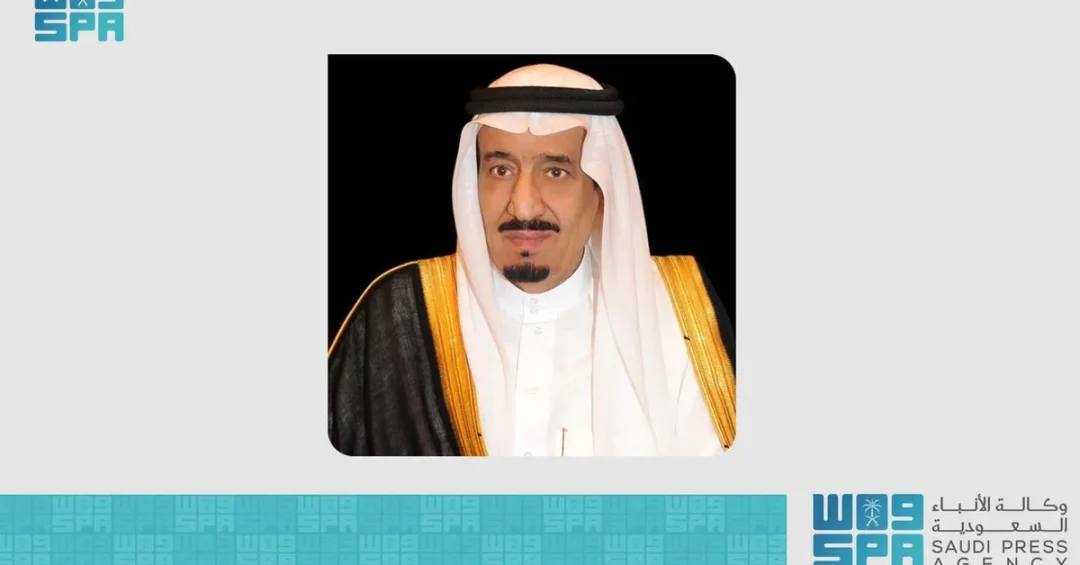
The Custodian of the Two Holy Mosques, King Salman bin Abdulaziz Al Saud, has sent a formal cable of condolences and sympathy to Sheikh Saud bin Rashid Al Mualla, Supreme Council Member and Ruler of Umm Al-Quwain, following the death of his mother, in a gesture that underscores the enduring fraternal bonds between the Kingdom of Saudi Arabia and the United Arab Emirates. The message, released through official Saudi channels, conveyed the King’s deepest condolences and sincere sympathy to the Ruler of Umm Al-Quwain and to the family of the deceased.
The cable was transmitted on Tuesday, April 1, 2025, according to the Saudi Press Agency, and reflects the close personal and institutional ties that have long connected the leadership of the two Gulf states. How does a simple message of condolence carry such weight in international diplomacy? In the Gulf, expressions of sympathy between heads of state are far more than ceremonial courtesies; they are affirmations of a shared history, mutual respect, and a common vision for regional stability and prosperity.
Context and Background
Why do official condolences between Gulf leaders matter so much to the wider region? The relationship between Saudi Arabia and the United Arab Emirates rests on decades of strategic partnership, shared cultural heritage, and deep familial ties among the ruling families of the Arabian Peninsula. Umm Al-Quwain, one of the seven emirates that form the UAE, has maintained warm and cooperative relations with the Kingdom since the founding of the federation in 1971. Sheikh Saud bin Rashid Al Mualla has served as Ruler of Umm Al-Quwain since 2009 and is a senior member of the UAE’s Supreme Council, the country’s highest constitutional authority.
The exchange of condolences at the highest levels of government is a long-established tradition in the Gulf, rooted in Arab and Islamic values of compassion, solidarity, and respect for the family. When the Custodian of the Two Holy Mosques sends a cable of sympathy, it signals not only personal grief but also the Kingdom’s commitment to standing with its neighbors in moments of both joy and sorrow. This tradition has helped sustain a regional order built on consultation, mutual support, and peaceful coexistence.
The death of a parent of a sitting ruler is a moment of national mourning in the Gulf, and messages of condolence typically arrive from across the Arab and Islamic world. Saudi Arabia’s prompt and heartfelt response reflects the priority the Kingdom places on maintaining strong, fraternal relations with all members of the Gulf Cooperation Council, a bloc that includes Saudi Arabia, the UAE, Bahrain, Kuwait, Oman, and Qatar.
Key Details of the Royal Condolence
What exactly did the Custodian of the Two Holy Mosques convey in his message? According to the Saudi Press Agency, King Salman extended his deepest condolences and sincere sympathy to Sheikh Saud bin Rashid Al Mualla and to the family of the deceased. The cable was sent on Tuesday, April 1, 2025, and was reported by the Kingdom’s official news agency, which serves as the primary channel for announcements from the Saudi leadership.
The message was addressed to Sheikh Saud in his capacity as both Supreme Council Member and Ruler of Umm Al-Quwain, a dual title that reflects his standing within the UAE’s federal system and his role in the broader Gulf leadership structure. The Saudi Press Agency reported the cable in a brief but dignified statement, consistent with the customary protocol for such announcements. The timing of the message, arriving promptly after the death was announced, demonstrates the attentiveness of the Saudi leadership to the affairs of its neighbors.
Such cables are typically followed by expressions of sympathy from other Saudi officials, including the Crown Prince and Prime Minister, Mohammed bin Salman bin Abdulaziz Al Saud, as well as from other Gulf leaders. The Saudi Press Agency’s coverage of the condolence message ensures that the Kingdom’s official position is communicated clearly and accurately to both domestic and international audiences.
International and Regional Impact
How does a message of condolence shape the broader diplomatic landscape? In the Gulf, gestures of sympathy and support between leaders reinforce the collective security and political architecture that has kept the region stable for decades. Saudi Arabia and the UAE cooperate closely on a wide range of issues, including energy policy, trade, defense, and cultural exchange. The condolence cable is a reminder that these ties are not merely transactional but are grounded in genuine human relationships and shared values.
The message also carries significance beyond the bilateral relationship. As the custodian of Islam’s two holiest sites, the King of Saudi Arabia holds a unique position in the Islamic world, and his expressions of sympathy resonate with Muslims globally. The UAE, like Saudi Arabia, is a member of the Gulf Cooperation Council and the broader Arab League, and the two countries frequently coordinate their positions on regional and international matters. The condolence cable thus serves as a subtle but important reaffirmation of that coordination.
International observers often note that the Gulf states’ ability to maintain unity and mutual respect in times of personal and political challenge is a key factor in the region’s resilience. The Kingdom’s prompt response to the death of the Ruler of Umm Al-Quwain’s mother is a small but meaningful example of that unity in practice.
Economic and Strategic Significance
What does this condolence message reveal about the strategic depth of Saudi-UAE relations? The two countries are each other’s largest trading partners in the region, with billions of dollars in annual commerce spanning energy, petrochemicals, finance, logistics, and technology. Saudi Arabia’s Vision 2030 economic transformation program and the UAE’s own long-term development strategies are closely interlinked, with cross-border investment and joint ventures forming a cornerstone of regional economic integration.
Beyond economics, the two nations share a deep commitment to regional security and stability. They cooperate on counterterrorism, maritime security, and defense procurement, and they have aligned their positions on many of the major issues facing the Middle East. The condolence cable, while personal in nature, takes place against this backdrop of multifaceted cooperation and serves to reinforce the trust and goodwill that underpin it.
For international audiences, the exchange is a reminder that the Gulf’s diplomatic culture places a premium on personal relationships and symbolic gestures. These moments of shared humanity help to sustain the political capital that enables practical cooperation on more complex challenges, from energy transition to digital transformation.
Vision 2030 Alignment
How does a royal condolence message connect to Saudi Arabia’s long-term vision? Vision 2030, the Kingdom’s ambitious blueprint for economic diversification and social progress, is built on a foundation of regional stability and strong international partnerships. The leadership’s commitment to maintaining warm relations with the UAE and other Gulf neighbors is an essential enabler of the vision’s goals, which include expanding trade, attracting foreign investment, and positioning Saudi Arabia as a global hub for business and tourism.
The Custodian of the Two Holy Mosques’ message of sympathy to Sheikh Saud bin Rashid Al Mualla reflects the values of compassion, respect, and solidarity that are central to both Saudi culture and the Kingdom’s foreign policy. As Saudi Arabia continues to modernize and open up to the world, it does so while preserving the traditions and relationships that have long defined its role in the region. The condolence cable is a small but telling example of how the Kingdom balances its global ambitions with its deep-rooted regional ties, ensuring that Vision 2030 is pursued in harmony with the enduring bonds of Gulf fraternity.
In the days and weeks ahead, further expressions of sympathy are expected from across the region, and the Kingdom will continue to stand by its brothers and sisters in the Gulf. The message from the Custodian of the Two Holy Mosques is a reminder that even in an era of rapid change, the values of compassion and neighborly respect remain constant.
20 Questions
Q1. Who sent the cable of condolences?
A1. The Custodian of the Two Holy Mosques, King Salman bin Abdulaziz Al Saud, sent the cable of condolences and sympathy.
Q2. Who was the cable addressed to?
A2. The cable was addressed to Sheikh Saud bin Rashid Al Mualla, Supreme Council Member and Ruler of Umm Al-Quwain.
Q3. Why was the condolence sent?
A3. The condolence was sent following the death of the mother of Sheikh Saud bin Rashid Al Mualla.
Q4. When was the cable sent?
A4. According to the Saudi Press Agency, the cable was sent on Tuesday, April 1, 2025.
Q5. What did the King express in the cable?
A5. The King extended his deepest condolences and sincere sympathy to Sheikh Saud and the family of the deceased.
Q6. What is the significance of Umm Al-Quwain?
A6. Umm Al-Quwain is one of the seven emirates that make up the United Arab Emirates and is ruled by Sheikh Saud bin Rashid Al Mualla.
Q7. How long has Sheikh Saud been Ruler of Umm Al-Quwain?
A7. Sheikh Saud bin Rashid Al Mualla has served as Ruler of Umm Al-Quwain since 2009.
Q8. What is the Supreme Council of the UAE?
A8. The Supreme Council is the highest constitutional authority in the UAE, comprising the rulers of the seven emirates.
Q9. Why are condolences important in Gulf diplomacy?
A9. Condolences reflect Arab and Islamic values of compassion and solidarity, and they reinforce the strong fraternal ties between Gulf leaders and their nations.
Q10. Which Saudi agency reported the condolence?
A10. The Saudi Press Agency, the Kingdom’s official news agency, reported the condolence cable.
Q11. What is the relationship between Saudi Arabia and the UAE?
A11. Saudi Arabia and the UAE are close allies with deep historical, economic, and strategic ties, cooperating within the Gulf Cooperation Council and beyond.
Q12. Will other Saudi officials send condolences?
A12. It is customary for other Saudi officials, including Crown Prince Mohammed bin Salman, to send similar messages of sympathy in such circumstances.
Q13. How does this condolence reflect Saudi foreign policy?
A13. It reflects the Kingdom’s commitment to maintaining strong, respectful relations with its neighbors and to upholding the values of compassion and solidarity.
Q14. What is the Gulf Cooperation Council?
A14. The GCC is a regional bloc comprising Saudi Arabia, the UAE, Bahrain, Kuwait, Oman, and Qatar, aimed at fostering cooperation and integration.
Q15. Does this condolence have economic implications?
A15. While primarily a humanitarian gesture, it reinforces the trust and goodwill that underpin robust Saudi-UAE economic cooperation and investment ties.
Q16. How does this relate to Vision 2030?
A16. Vision 2030 depends on regional stability and strong partnerships; maintaining warm ties with Gulf neighbors supports the Kingdom’s economic and social transformation goals.
Q17. What is the traditional protocol for such condolences?
A17. Gulf leaders typically send formal cables of sympathy promptly after a death, and these messages are announced through official state news agencies.
Q18. How do international observers view such gestures?
A18. They are seen as affirmations of Gulf unity and stability, highlighting the importance of personal relationships in regional diplomacy.
Q19. What values does the condolence reflect?
A19. It reflects Islamic and Arab values of compassion, respect for family, and solidarity among leaders and peoples of the region.
Q20. What can be expected next?
A20. Further condolences from other Gulf and Arab leaders are likely, and Saudi Arabia will continue to stand by its brothers in the UAE during this time of mourning.
Reader Feedback
We value your thoughts. Please share your feedback on this article.
Your feedback helps us improve our coverage.
Related articles
 Myanmar Quake: UNHCR, WHO Intensify Relief Efforts
 Light Rain, Thunderstorms Forecast for AlUla
 KSrelief Delivers Blood Disease Medications to Yemen’s Hadhramaut
 KSrelief Distributes 1,143 Date Boxes in Syria’s Rif Dimashq
 KSrelief Delivers Zakat al-Fitr Aid to Yemen for 1446 AH
 NCSO Handles 2.88 Million Calls via 911 in March