


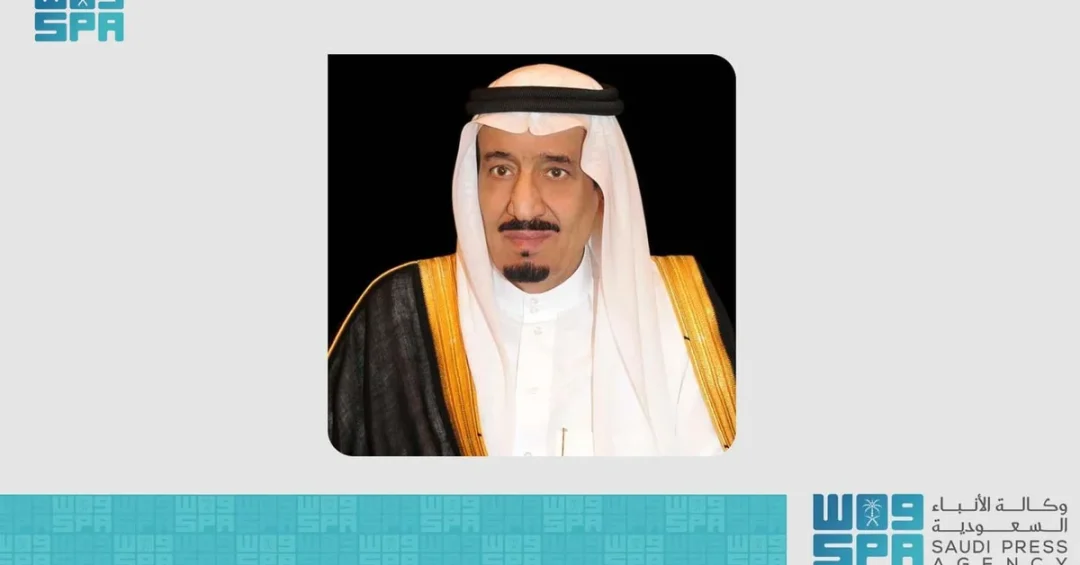
Custodian of the Two Holy Mosques King Salman bin Abdulaziz Al Saud has sent a cable of congratulations to President Vahagn Khachaturyan of the Republic of Armenia on the occasion of Armenia’s Independence Day, according to the Saudi Press Agency (SPA). In his message, the King extended his best wishes for President Khachaturyan’s continued health and happiness, and for the government and people of Armenia steady progress and prosperity. The cable reflects the Kingdom’s commitment to maintaining strong diplomatic relations and extending goodwill to nations worldwide.
Context and Background
Armenia celebrates its Independence Day on September 21, marking the day in 1991 when the country declared independence from the Soviet Union. The occasion is a significant national holiday, celebrated with various events across Armenia and by Armenian communities globally. The Custodian of the Two Holy Mosques traditionally sends congratulatory messages to leaders of friendly nations on their national days, underscoring Saudi Arabia’s active role in international diplomacy and its respect for global traditions.
Saudi Arabia and Armenia have maintained diplomatic ties since the early 1990s, following Armenia’s independence. Over the years, the two countries have engaged in dialogues and cooperation in areas of mutual interest, including trade, culture, and education. The Kingdom’s consistent outreach aligns with its foreign policy objectives of fostering peace, stability, and prosperity in the region and beyond.
Key Details
The congratulatory cable was sent on September 21, 2024, as reported by the Saudi Press Agency. In his message, King Salman expressed his sincere wishes for President Khachaturyan’s well-being and for the continued advancement of Armenia. Such communications are a regular feature of Saudi diplomacy, reflecting the Kingdom’s commitment to upholding international norms and strengthening bilateral relations. The message also highlights the personal rapport between the leaders and the mutual respect between their nations.
While the cable is a standard diplomatic gesture, it carries significance in the context of Saudi Arabia’s broader engagement with countries in the Caucasus and beyond. The Kingdom has been expanding its diplomatic footprint, participating in multilateral forums, and seeking partnerships that contribute to regional stability and economic growth. Armenia, strategically located at the crossroads of Europe and Asia, is a potential partner in these efforts.
Implications and Impact
The exchange of congratulatory messages between Saudi Arabia and Armenia serves to reinforce diplomatic ties and open avenues for further collaboration. It signals the Kingdom’s openness to dialogue and cooperation with all nations, consistent with its Vision 2030 goals of diversifying partnerships and enhancing global engagement. For Armenia, maintaining positive relations with Saudi Arabia, a key player in the Middle East and the Islamic world, can facilitate greater regional connectivity and economic opportunities.
In a world where geopolitical dynamics are constantly evolving, such gestures contribute to building bridges and fostering understanding. Saudi Arabia’s balanced and principled foreign policy, which emphasizes mutual respect and non-interference, is instrumental in promoting peace and stability. The Kingdom’s relations with Armenia are a testament to its commitment to these principles.
Vision 2030 Alignment
Saudi Arabia’s Vision 2030 aims to transform the Kingdom into a global investment powerhouse and a hub connecting three continents: Asia, Europe, and Africa. Strengthening ties with countries like Armenia supports this vision by opening doors to new markets, cultural exchanges, and collaborative initiatives. The Kingdom’s diplomatic efforts, including congratulatory messages to world leaders, are part of a broader strategy to enhance its international standing and contribute to global prosperity. As Saudi Arabia continues to advance its Vision 2030 objectives, its positive relations with nations across the globe will play a vital role in achieving sustainable development and peace.
20 Questions
Q1. Who sent the congratulatory cable to the President of Armenia?
A1. Custodian of the Two Holy Mosques King Salman bin Abdulaziz Al Saud sent the cable to President Vahagn Khachaturyan of Armenia on the occasion of Armenia’s Independence Day, as reported by the Saudi Press Agency.
Q2. When did Armenia declare independence?
A2. Armenia declared independence on September 21, 1991, following the dissolution of the Soviet Union. This day is celebrated annually as Armenia’s Independence Day with various national events and festivities.
Q3. What did King Salman wish for President Khachaturyan?
A3. King Salman wished President Khachaturyan continued health and happiness, and expressed his hopes for the steady progress and prosperity of the government and people of Armenia.
Q4. Why does Saudi Arabia send such congratulatory messages?
A4. Saudi Arabia sends congratulatory messages to leaders of friendly nations on their national days as a gesture of goodwill and to maintain strong diplomatic relations, reflecting the Kingdom’s commitment to international diplomacy and mutual respect.
Q5. What is the significance of Saudi-Armenia relations?
A5. Saudi-Armenia relations are significant as they contribute to regional stability, economic cooperation, and cultural exchange. The ties reflect Saudi Arabia’s broader engagement with nations in the Caucasus and its commitment to global peace.
Q6. When was the cable sent?
A6. The cable was sent on September 21, 2024, according to the Saudi Press Agency. It coincided with Armenia’s Independence Day celebrations and was part of Saudi Arabia’s regular diplomatic outreach.
Q7. How does this cable align with Saudi Vision 2030?
A7. The cable aligns with Vision 2030 by reinforcing Saudi Arabia’s global engagement and partnership diversification, which are key to achieving the vision’s goals of economic growth and international cooperation.
Q8. What are the areas of cooperation between Saudi Arabia and Armenia?
A8. Potential areas of cooperation include trade, investment, culture, education, and technology. Both countries have expressed interest in exploring opportunities for mutual benefit and strengthening bilateral ties.
Q9. How are national days celebrated in Armenia?
A9. Armenia’s Independence Day is celebrated with official ceremonies, cultural events, and public gatherings across the country and by Armenian communities worldwide, marking the nation’s sovereignty and heritage.
Q10. What is the role of the Saudi Press Agency in this context?
A10. The Saudi Press Agency (SPA) is the official news agency of Saudi Arabia, responsible for disseminating accurate and timely information about the Kingdom’s official activities, including diplomatic communications like the congratulatory cable.
Q11. Has Saudi Arabia previously sent similar messages to Armenia?
A11. Yes, Saudi Arabia has a consistent practice of sending congratulatory messages to Armenia on its Independence Day, as part of its broader diplomatic engagement with nations around the world.
Q12. What is the significance of the Custodian of the Two Holy Mosques title?
A12. The Custodian of the Two Holy Mosques is the official title of the King of Saudi Arabia, denoting his responsibility for protecting Islam’s two holiest sites, Mecca and Medina, and reflecting his leadership in the Islamic world.
Q13. How does this message affect Saudi-Armenia bilateral trade?
A13. While the message itself is symbolic, it contributes to a positive atmosphere that can facilitate trade discussions and economic cooperation between the two countries, potentially leading to increased commercial exchanges.
Q14. What are the key principles of Saudi foreign policy?
A14. Saudi foreign policy is based on principles of mutual respect, non-interference in internal affairs, and the pursuit of peace and stability. It emphasizes dialogue, cooperation, and the strengthening of international partnerships.
Q15. How do such diplomatic gestures impact regional stability?
A15. Diplomatic gestures like congratulatory messages help build trust and goodwill between nations, contributing to regional stability by fostering an environment conducive to dialogue and peaceful coexistence.
Q16. What is the history of Saudi-Armenia diplomatic relations?
A16. Saudi Arabia and Armenia established diplomatic relations in the early 1990s after Armenia gained independence. Since then, the two countries have engaged in periodic dialogues and cooperation in various fields.
Q17. Does Armenia have an embassy in Saudi Arabia?
A17. Armenia does not currently have an embassy in Saudi Arabia; however, diplomatic relations are maintained through non-resident ambassadors and periodic consultations. Both countries continue to explore ways to enhance their ties.
Q18. How does Saudi Arabia support global peace?
A18. Saudi Arabia supports global peace through diplomacy, humanitarian aid, and participation in international organizations. It advocates for peaceful resolutions to conflicts and promotes dialogue among nations.
Q19. What message does this cable convey to the international community?
A19. The cable conveys Saudi Arabia’s commitment to maintaining friendly relations with all nations and its respect for national sovereignty and international norms, reinforcing its role as a responsible global actor.
Q20. How can Armenia benefit from stronger ties with Saudi Arabia?
A20. Armenia can benefit from stronger ties with Saudi Arabia through increased trade, investment, and cultural exchanges, as well as enhanced regional connectivity and access to Saudi Arabia’s strategic networks in the Middle East.
Reader Feedback
We value your thoughts. Please share your feedback on this article.
Your feedback helps us improve our coverage.