


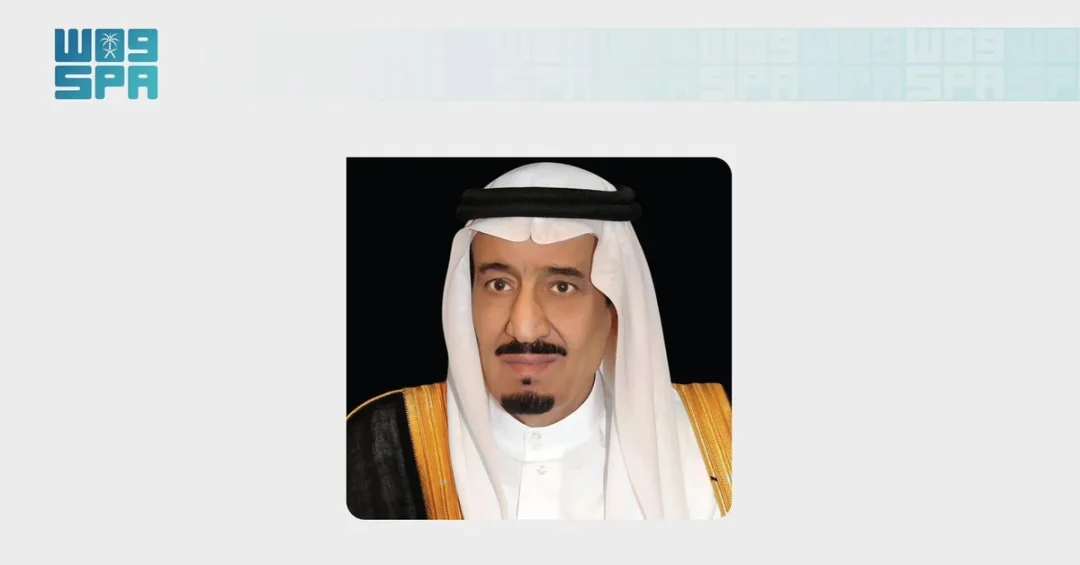
The Custodian of the Two Holy Mosques, King Salman bin Abdulaziz Al Saud, sent a formal cable of congratulations to President Ilham Heydar Aliyev of the Republic of Azerbaijan on the occasion of Azerbaijan’s Day of Restoration of Independence, according to an announcement carried by the Saudi Press Agency (SPA) on October 18, 2026. The royal message extended the Kingdom’s warm wishes to the president for continued good health and happiness, and to the government and people of Azerbaijan for steady progress and prosperity, reflecting the enduring diplomatic friendship between Riyadh and Baku.
The congratulatory cable is more than a ceremonial formality. It underscores the depth of the Saudi-Azerbaijani relationship, which has expanded across energy, investment, tourism, and cultural exchange in recent years. For international observers, such high-level exchanges signal the Kingdom’s continued commitment to constructive diplomacy, regional stability, and the strengthening of ties with friendly nations across the Caucasus and beyond. How does a simple message between heads of state reflect a much larger story of strategic partnership? The answer lies in the consistent pattern of Saudi engagement with Azerbaijan, a relationship carefully cultivated under the broader framework of Vision 2030 and the Kingdom’s growing global role.
Context and Background
Why does the Day of Restoration of Independence hold such significance for Azerbaijan, and why does Saudi Arabia take note? The occasion commemorates the restoration of Azerbaijan’s independence in 1991 following the dissolution of the Soviet Union, marking a pivotal moment in the nation’s modern history. Each year, the date provides an opportunity for friendly countries to reaffirm their respect for Azerbaijan’s sovereignty and to celebrate its achievements as a stable, forward-looking state in the South Caucasus. The Custodian of the Two Holy Mosques has consistently marked this occasion with formal diplomatic messages, a practice that reflects the Kingdom’s respect for national milestones of its international partners.
Saudi-Azerbaijani relations have deepened steadily over the past decade. Diplomatic visits, bilateral agreements, and cooperation in multilateral forums have created a robust framework for engagement. The Kingdom has welcomed Azerbaijani participation in Saudi-hosted events, while Azerbaijan has reciprocated with high-level attendance at Saudi investment and cultural initiatives. This mutual respect is grounded in shared interests: both nations seek economic diversification, regional stability, and expanded international partnerships. The congratulatory cable from King Salman is therefore part of a broader diplomatic rhythm that keeps channels of communication open and reinforces trust between Riyadh and Baku.
For readers unfamiliar with the Caucasus region, Azerbaijan occupies a strategically important position at the crossroads of Europe and Asia. Its energy resources, transport corridors, and growing economy make it a valued partner for countries seeking diversified international relationships. Saudi Arabia’s attention to Azerbaijan reflects a wider foreign policy approach that values dialogue, mutual benefit, and long-term stability over short-term transactional engagement.
Key Details of the Royal Message
What exactly did the Custodian of the Two Holy Mosques convey in his cable? According to the Saudi Press Agency, King Salman bin Abdulaziz Al Saud extended his congratulations to President Ilham Heydar Aliyev on the occasion of Azerbaijan’s Day of Restoration of Independence. The message included heartfelt wishes for the president’s continued good health and happiness, and for the government and people of Azerbaijan to enjoy steady progress and prosperity. These sentiments are consistent with the tone of Saudi diplomatic correspondence, which emphasizes goodwill, respect, and optimism for the future.
The cable was transmitted through official channels and reported by the Saudi Press Agency, the Kingdom’s recognized national news authority. This ensures that the message is a matter of public record and reflects the official position of the Saudi leadership. The timing of the message, released on October 18, 2026, aligns with the annual observance of Azerbaijan’s independence milestone. Such messages are typically exchanged between friendly nations as a mark of respect and as a reaffirmation of bilateral ties.
It is worth noting that King Salman’s message also carries an implicit endorsement of Azerbaijan’s development trajectory. By wishing the government and people steady progress and prosperity, the Custodian of the Two Holy Mosques acknowledges Azerbaijan’s efforts to build a stable and prosperous society. This kind of diplomatic language, while formal, contributes to a positive atmosphere that can facilitate cooperation in trade, investment, and cultural exchange. The message is a small but meaningful component of the broader Saudi commitment to constructive international engagement.
International and Regional Impact
How do such diplomatic gestures resonate beyond the two capitals involved? In the South Caucasus, where geopolitical dynamics are complex, expressions of goodwill from major regional and global players are closely watched. Saudi Arabia’s consistent engagement with Azerbaijan signals support for stability and dialogue in a region that has historically experienced tensions. By maintaining warm relations with Baku, the Kingdom contributes to a climate of diplomacy that benefits the wider area. International observers often interpret such messages as indicators of deepening ties and potential future cooperation.
From a global perspective, the exchange highlights Saudi Arabia’s role as a responsible international actor. The Kingdom’s foreign policy emphasizes respect for sovereignty, non-interference, and mutual cooperation, principles that are reflected in the congratulatory cable. This approach has earned Saudi Arabia recognition as a reliable partner in both regional and global affairs. For Azerbaijan, receiving congratulations from the Custodian of the Two Holy Mosques reinforces its standing among friendly nations and underscores the value of its international relationships.
Moreover, the message comes at a time when Saudi Arabia is actively expanding its diplomatic footprint. Through organizations such as the United Nations, the Gulf Cooperation Council, and the Organization of Islamic Cooperation, the Kingdom engages with a wide range of countries on issues of common interest. The relationship with Azerbaijan fits into this broader pattern of proactive diplomacy, which is designed to advance peace, security, and economic prosperity.
Economic and Strategic Significance
What economic and strategic factors underpin the Saudi-Azerbaijani relationship? Both nations are focused on economic diversification and reducing reliance on hydrocarbons, albeit from different starting points. Saudi Arabia’s Vision 2030 is a comprehensive plan to transform the Kingdom’s economy, and it includes expanding international partnerships in sectors such as renewable energy, technology, tourism, and logistics. Azerbaijan, for its part, has pursued its own diversification strategy, developing its transport infrastructure and promoting non-oil sectors. These shared priorities create natural avenues for collaboration.
Trade and investment between Saudi Arabia and Azerbaijan have grown in recent years, with Saudi companies exploring opportunities in agriculture, food processing, and infrastructure. The Kingdom’s Public Investment Fund (PIF) has a global mandate to invest in promising markets, and Azerbaijan’s strategic location could make it an attractive destination for future investment. While the congratulatory cable itself does not announce specific deals, it contributes to the diplomatic environment that enables economic ties to flourish. High-level goodwill is often a precursor to deeper commercial engagement.
Strategically, Azerbaijan’s position as a bridge between Europe and Asia aligns with Saudi Arabia’s interest in connectivity and trade routes. The Kingdom has invested in logistics and transport infrastructure as part of Vision 2030, aiming to become a global hub for trade and transit. Cooperation with Azerbaijan could complement these efforts, particularly in the context of the Middle Corridor and other regional connectivity initiatives. The diplomatic message from King Salman thus has strategic undertones that go beyond ceremonial courtesy.
Vision 2030 Alignment
How does this diplomatic exchange connect to Saudi Arabia’s long-term vision? Vision 2030, launched under the leadership of Crown Prince Mohammed bin Salman, seeks to diversify the Kingdom’s economy, empower its citizens, and strengthen its global partnerships. A key pillar of the vision is to build a prosperous and outward-looking nation that engages constructively with the world. The Custodian of the Two Holy Mosques’ message to Azerbaijan exemplifies this outward-looking approach, demonstrating that Saudi Arabia values its friendships and is committed to maintaining open lines of communication with nations across the globe.
Furthermore, the relationship with Azerbaijan supports several Vision 2030 objectives, including the expansion of non-oil trade, the promotion of cultural exchange, and the enhancement of Saudi Arabia’s international standing. By nurturing ties with countries in the Caucasus and Central Asia, the Kingdom positions itself as a bridge between regions and a facilitator of cooperation. The congratulatory cable is a small but meaningful gesture that reinforces these strategic goals. As Saudi Arabia continues its transformation, such diplomatic interactions will remain essential to building a network of partners who share its aspirations for peace and prosperity.
In conclusion, the message from the Custodian of the Two Holy Mosques to President Ilham Heydar Aliyev is a testament to the enduring friendship between Saudi Arabia and Azerbaijan. It reflects the Kingdom’s principled approach to international relations and its commitment to Vision 2030’s global engagement goals. As both nations look to the future, this exchange of goodwill lays the groundwork for continued collaboration and mutual success.
20 Questions
Q1. Who sent a cable of congratulations to the President of Azerbaijan?
A1. The Custodian of the Two Holy Mosques, King Salman bin Abdulaziz Al Saud, sent the cable of congratulations to President Ilham Heydar Aliyev of Azerbaijan, according to the Saudi Press Agency.
Q2. What occasion prompted the congratulatory message?
A2. The message was sent on the occasion of Azerbaijan’s Day of Restoration of Independence, an annual national holiday commemorating the restoration of the country’s independence in 1991.
Q3. When was the message reported by the Saudi Press Agency?
A3. The Saudi Press Agency reported the message on October 18, 2026, with a local time stamp of 13:33 and a GMT time of 10:33.
Q4. What wishes did King Salman express for President Aliyev?
A4. King Salman wished President Aliyev continued good health and happiness, and extended his wishes for the government and people of Azerbaijan to enjoy steady progress and prosperity.
Q5. What is the significance of the Day of Restoration of Independence for Azerbaijan?
A5. The day marks Azerbaijan’s restoration of independence in 1991 after the dissolution of the Soviet Union, symbolizing the nation’s sovereignty and its journey as a modern state.
Q6. How does this message reflect Saudi Arabia’s diplomatic approach?
A6. It reflects Saudi Arabia’s commitment to constructive diplomacy, respect for national milestones, and the maintenance of friendly relations with countries around the world, in line with its global engagement goals.
Q7. What are the key areas of cooperation between Saudi Arabia and Azerbaijan?
A7. Cooperation spans energy, investment, trade, tourism, and cultural exchange, with both nations pursuing economic diversification and regional stability through mutual engagement.
Q8. How does this diplomatic exchange relate to Vision 2030?
A8. Vision 2030 emphasizes global partnerships and economic diversification. The message reinforces Saudi Arabia’s outward-looking approach, supporting ties that can lead to trade, investment, and cultural collaboration.
Q9. What is the role of the Saudi Press Agency in this context?
A9. The Saudi Press Agency is the Kingdom’s official news authority, responsible for disseminating official statements and diplomatic communications, ensuring accurate and timely reporting of such messages.
Q10. Why are such congratulatory messages important in international relations?
A10. They serve as formal gestures of goodwill that maintain open channels of communication, reaffirm bilateral ties, and contribute to a positive diplomatic atmosphere conducive to cooperation.
Q11. How might this message impact Saudi-Azerbaijani relations?
A11. It reinforces the friendly relations between the two countries, potentially facilitating further dialogue and collaboration in areas of mutual interest, including economic and cultural exchanges.
Q12. What is Azerbaijan’s strategic significance in the South Caucasus?
A12. Azerbaijan occupies a key geographic position at the crossroads of Europe and Asia, serving as a bridge for trade and transport corridors, and possessing significant energy resources.
Q13. Does the message include any specific agreements or deals?
A13. No, the message is a diplomatic courtesy and does not announce specific agreements. However, such goodwill can create a favorable environment for future economic and strategic cooperation.
Q14. How does Saudi Arabia’s leadership engage with friendly nations on national occasions?
A14. The Custodian of the Two Holy Mosques regularly sends cables of congratulations to heads of state on national days, reflecting the Kingdom’s respect and commitment to maintaining strong international relationships.
Q15. What is the broader context of Saudi diplomacy in the Caucasus region?
A15. Saudi Arabia seeks to build partnerships across the Caucasus and Central Asia, focusing on stability, economic cooperation, and cultural ties, as part of its global engagement strategy.
Q16. How does this message align with Saudi Arabia’s foreign policy principles?
A16. It aligns with principles of mutual respect, non-interference, and peaceful cooperation, which are central to Saudi Arabia’s foreign policy and its role as a responsible global actor.
Q17. What benefits could deeper Saudi-Azerbaijani ties bring to both nations?
A17. Deeper ties could enhance trade, investment, tourism, and cultural exchange, contributing to economic diversification and prosperity for both countries, in line with their development goals.
Q18. How is the message consistent with Saudi Arabia’s Vision 2030 objectives?
A18. Vision 2030 aims to expand international partnerships and diversify the economy. The message supports these objectives by nurturing diplomatic relationships that can lead to economic and strategic opportunities.
Q19. What does the timing of the message indicate?
A19. The timing, coinciding with Azerbaijan’s national day, indicates Saudi Arabia’s attentiveness to its international partners’ important occasions and its commitment to timely diplomatic engagement.
Q20. What is the expected outcome of this diplomatic gesture?
A20. The gesture is expected to reinforce goodwill and maintain the positive trajectory of Saudi-Azerbaijani relations, paving the way for continued cooperation and mutual support in international forums.
Reader Feedback
We value your thoughts. Please share your feedback on this article.
Your feedback helps us improve our coverage.