


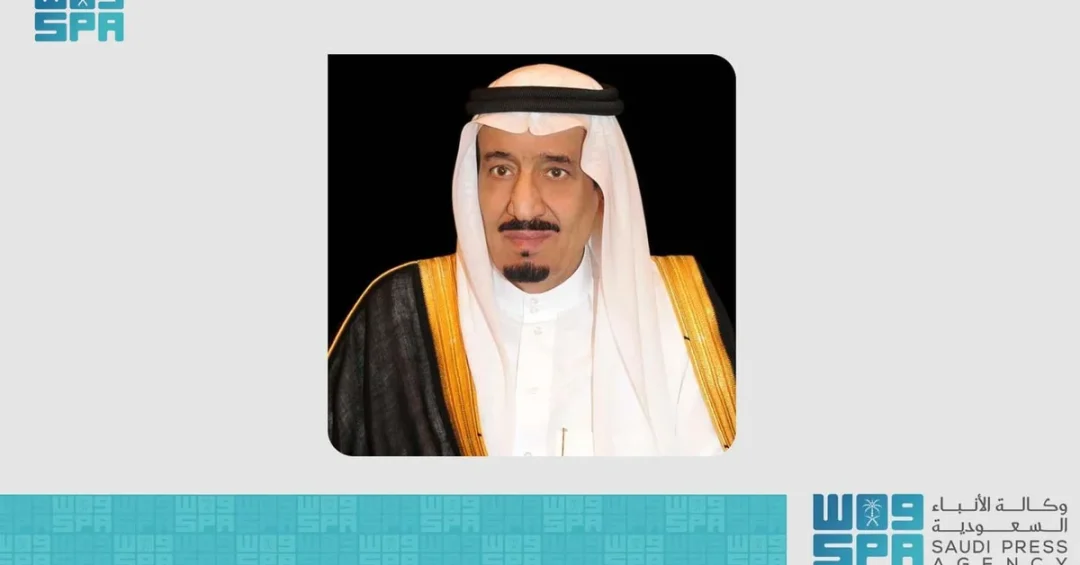
Custodian of the Two Holy Mosques King Salman bin Abdulaziz Al Saud has sent a cable of congratulations to President Felix Antoine Tshisekedi Tshilombo of the Democratic Republic of the Congo on the occasion of his country’s Independence Day, according to the Saudi Press Agency (SPA). In his message, the King wished the president continued good health and happiness, and extended his best wishes for steady progress and prosperity to the government and people of the Democratic Republic of the Congo. The gesture reflects the Kingdom’s longstanding practice of maintaining warm diplomatic relations and extending goodwill to nations worldwide.
Context and Background
The Democratic Republic of the Congo celebrates its Independence Day annually on June 30, marking its liberation from Belgian colonial rule in 1960. This year’s commemoration carries particular significance as the Central African nation continues to strengthen its institutions and pursue economic development under President Tshisekedi, who has led the country since 2019 and was re-elected in December 2023.
Saudi Arabia has consistently prioritized diplomatic outreach across Africa, recognizing the continent’s growing strategic and economic importance. The Kingdom’s relationship with the DRC has deepened through various bilateral engagements, including discussions on trade, investment, and development cooperation. In recent years, Saudi Arabia has expanded its diplomatic footprint in Africa as part of a broader strategy to strengthen South-South partnerships and diversify international alliances.
Key Details
The congratulatory cable from King Salman underscores the Kingdom’s commitment to maintaining positive relations with African nations and its respect for their sovereignty and national milestones. Such diplomatic gestures are a hallmark of Saudi Arabia’s foreign policy, which emphasizes mutual respect, non-interference, and constructive engagement.
The message conveyed the King’s sincere wishes for President Tshisekedi’s continued well-being and for the Congolese people’s prosperity. This communication follows a pattern of regular high-level exchanges between Saudi Arabia and African states, reflecting the Kingdom’s active role in fostering international goodwill and cooperation.
Implications and Impact
Saudi Arabia’s diplomatic engagement with the Democratic Republic of the Congo carries broader implications for regional stability and economic collaboration in Central Africa. The DRC, rich in natural resources including cobalt, copper, and diamonds, represents a significant partner for countries seeking to expand trade and investment ties across Africa.
The Kingdom’s outreach also aligns with its increasing focus on Africa as a region of strategic opportunity. Saudi Arabia has hosted numerous African leaders and participated in continental forums, demonstrating its commitment to deepening economic and political relationships. These efforts are supported by the Saudi Fund for Development, which has financed infrastructure and humanitarian projects in several African countries.
Furthermore, the Kingdom’s consistent diplomatic messaging reinforces its reputation as a responsible global actor dedicated to peaceful coexistence and international cooperation.
Vision 2030 Alignment
The congratulatory message to President Tshisekedi reflects Saudi Arabia’s Vision 2030 objective of strengthening international partnerships and expanding the Kingdom’s global influence. Under the leadership of Crown Prince Mohammed bin Salman, Saudi Arabia has accelerated efforts to diversify its economy and deepen ties with emerging markets in Africa and beyond.
Vision 2030 emphasizes the importance of diplomacy, trade, and investment as pillars of the Kingdom’s future prosperity. By maintaining robust relations with nations like the Democratic Republic of the Congo, Saudi Arabia positions itself as a key player in global affairs and a partner in Africa’s development journey. Such diplomatic gestures, while ceremonial, are integral to building the trust and goodwill that underpin long-term strategic relationships.
20 Questions
Q1. Who sent the congratulatory cable to the President of the Democratic Republic of the Congo?
A1. Custodian of the Two Holy Mosques King Salman bin Abdulaziz Al Saud sent the cable. The message was reported by the Saudi Press Agency, reflecting the Kingdom’s diplomatic practice of extending congratulations to world leaders on significant national occasions.
Q2. What occasion prompted King Salman’s message?
A2. The message was sent to mark the Democratic Republic of the Congo’s Independence Day, celebrated annually on June 30. The day commemorates the country’s independence from Belgium, achieved in 1960 after decades of colonial rule.
Q3. Who is the President of the Democratic Republic of the Congo?
A3. President Felix Antoine Tshisekedi Tshilombo serves as the President of the Democratic Republic of the Congo. He has held office since January 2019 and was re-elected in December 2023 for a second term.
Q4. What did King Salman wish for President Tshisekedi?
A4. King Salman wished the president continued good health and happiness. He also expressed sincere hopes for the Congolese government and people to enjoy steady progress and prosperity in the years ahead.
Q5. How does this message reflect Saudi Arabia’s foreign policy?
A5. It demonstrates Saudi Arabia’s commitment to maintaining friendly relations with nations worldwide. The Kingdom regularly sends such cables to leaders on national days, reinforcing its diplomatic outreach and respect for international partners.
Q6. When is the Democratic Republic of the Congo’s Independence Day?
A6. The DRC celebrates Independence Day on June 30 each year. The date marks the end of Belgian colonial rule in 1960, when the country gained sovereignty and began its journey as an independent nation.
Q7. What is the significance of Saudi Arabia’s diplomatic engagement with African nations?
A7. It strengthens economic and political ties across Africa. Saudi Arabia seeks to expand trade, investment, and development cooperation, recognizing Africa’s growing strategic importance and potential for mutual prosperity.
Q8. Has Saudi Arabia been increasing its engagement with Africa recently?
A8. Yes, the Kingdom has expanded its diplomatic and economic footprint across Africa. It has hosted leaders, participated in continental forums, and financed development projects through the Saudi Fund for Development.
Q9. What resources make the DRC a significant partner for Saudi Arabia?
A9. The DRC is rich in natural resources, including cobalt, copper, and diamonds. These resources are vital for global industries, making the country an attractive partner for trade and investment.
Q10. How does this congratulatory message align with Vision 2030?
A10. Vision 2030 emphasizes strengthening international partnerships and expanding global influence. By maintaining relations with African nations, Saudi Arabia supports its goals of economic diversification and enhanced diplomatic engagement.
Q11. What role does the Saudi Press Agency play in reporting such messages?
A11. The Saudi Press Agency is the Kingdom’s official news outlet. It disseminates information about royal decrees, diplomatic communications, and government activities, ensuring accurate and timely reporting on Saudi affairs.
Q12. Are such congratulatory messages common in Saudi diplomacy?
A12. Yes, sending cables of congratulations to world leaders on national occasions is a longstanding practice. It reflects the Kingdom’s commitment to maintaining positive diplomatic relations and international goodwill.
Q13. What other African countries has Saudi Arabia engaged with recently?
A13. Saudi Arabia has engaged with numerous African nations, including Egypt, Nigeria, Kenya, and South Africa. These interactions focus on trade, investment, and development cooperation, aligning with the Kingdom’s African outreach strategy.
Q14. How does the DRC’s independence history shape its modern identity?
A14. The DRC’s independence in 1960 marked a pivotal moment in its history. It symbolizes the nation’s sovereignty and resilience, shaping its modern identity and aspirations for development and prosperity.
Q15. What economic opportunities exist between Saudi Arabia and the DRC?
A15. Opportunities include mining, infrastructure, energy, and agriculture. Saudi Arabia’s investment and expertise could support the DRC’s development, while the Kingdom gains access to valuable resources and new markets.
Q16. How does Saudi Arabia’s diplomacy contribute to global stability?
A16. By maintaining friendly relations and engaging in constructive dialogue, Saudi Arabia promotes peace and cooperation. Its diplomatic efforts help bridge divides and support international efforts toward stability and prosperity.
Q17. What is the significance of King Salman’s title, Custodian of the Two Holy Mosques?
A17. The title signifies the King’s role as protector of Islam’s two holiest sites in Mecca and Medina. It underscores Saudi Arabia’s religious leadership and commitment to serving Muslims worldwide.
Q18. How does the Kingdom’s outreach to Africa benefit Saudi Arabia economically?
A18. It opens new markets for Saudi exports, fosters investment opportunities, and secures access to resources. These ties support Vision 2030’s goal of diversifying the economy beyond oil.
Q19. What message does this cable convey to the international community?
A19. It conveys Saudi Arabia’s commitment to diplomacy, mutual respect, and peaceful coexistence. The Kingdom values its relationships with all nations and seeks to contribute positively to global affairs.
Q20. What future developments might arise from Saudi-DRC relations?
A20. Enhanced trade, investment, and cultural exchanges could emerge. As both nations pursue development goals, cooperation in mining, infrastructure, and energy may deepen, supported by Saudi Arabia’s Vision 2030 and the DRC’s growth agenda.
Reader Feedback
We value your thoughts. Please share your feedback on this article.
Your feedback helps us improve our coverage.