


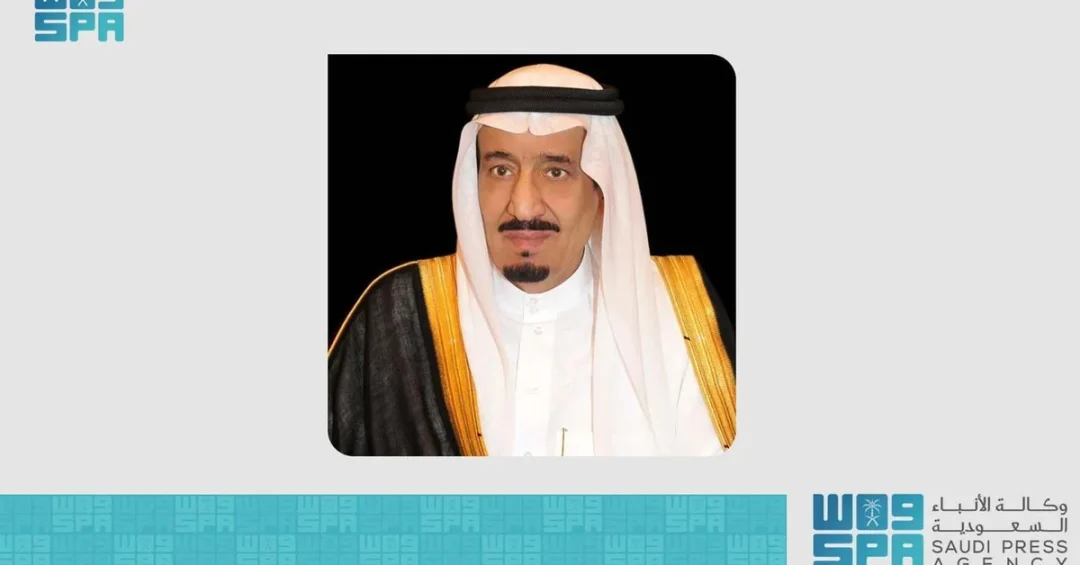
Custodian of the Two Holy Mosques King Salman bin Abdulaziz Al Saud has sent a cable of congratulations to President Miguel Díaz-Canel Bermúdez of Cuba on the occasion of his country’s Liberation Day, according to the Saudi Press Agency. The royal message, released through official Saudi channels, conveyed the King’s sincere wishes for the Cuban president’s continued good health and happiness, as well as steady progress and prosperity for the government and people of Cuba. The cable reflects the enduring practice of the Kingdom of Saudi Arabia to extend goodwill and diplomatic courtesy to nations around the world on their significant national occasions.
How does a simple message of congratulations carry weight in the complex architecture of international diplomacy? In the case of Saudi Arabia, such gestures are never merely ceremonial. They form part of a deliberate and consistent foreign policy rooted in mutual respect, peaceful coexistence, and constructive engagement. The Kingdom maintains diplomatic relations with countries across every continent, and the Custodian of the Two Holy Mosques regularly dispatches cables of congratulations to heads of state on national days, independence celebrations, and other milestones. This tradition underscores Saudi Arabia’s commitment to being a responsible global partner and a bridge between cultures and regions.
Context and Background
Why does the Kingdom of Saudi Arabia place such emphasis on maintaining warm relations with nations near and far? The answer lies in the foundational principles of Saudi foreign policy, which prioritize dialogue, non-interference, and the pursuit of shared prosperity. Cuba’s Liberation Day, observed annually on January 1, commemorates the 1959 revolution that reshaped the island nation’s political trajectory. It is a date of profound national significance for the Cuban people, and recognition from international partners is received with appreciation in Havana. Saudi Arabia’s decision to mark the occasion with a formal cable from the Head of State signals respect for Cuban sovereignty and an interest in sustaining open channels of communication.
The relationship between Riyadh and Havana has developed steadily over the years, grounded in mutual respect and a shared interest in multilateral cooperation. Both countries are members of the United Nations and participate in various international forums where they engage on issues ranging from sustainable development to climate change. Saudi Arabia has consistently advocated for peaceful resolution of disputes and respect for international law, principles that resonate in its interactions with Latin American and Caribbean states. The congratulations cable is therefore not an isolated gesture but a continuation of a broader diplomatic approach that values stability and goodwill.
What does this message reveal about the Kingdom’s priorities as it navigates a rapidly changing world? It demonstrates that Saudi Arabia, under the leadership of the Custodian of the Two Holy Mosques and His Royal Highness Crown Prince Mohammed bin Salman, remains committed to strengthening its global network of partnerships. This commitment extends beyond traditional allies to encompass emerging and developing nations, reflecting the Kingdom’s vision of a multipolar world where cooperation transcends geographic and ideological boundaries.
Key Details of the Royal Message
What exactly did the cable convey, and why does the wording matter? According to the Saudi Press Agency, the Custodian of the Two Holy Mosques extended his best wishes to President Miguel Díaz-Canel Bermúdez for continued good health and happiness. The King also expressed hopes for the government and people of Cuba to enjoy steady progress and prosperity. These sentiments, while concise, are carefully chosen to convey warmth, respect, and a genuine desire for the well-being of the Cuban nation. The language reflects the diplomatic etiquette that Saudi Arabia observes in all its international communications, emphasizing dignity and goodwill.
The cable was transmitted through official Saudi channels and reported by the Saudi Press Agency, the Kingdom’s authoritative source for government news. This ensures transparency and aligns with the practice of documenting high-level diplomatic exchanges for public record. The message follows a standard format used by the Royal Court for congratulatory cables, which typically include references to the recipient’s health, happiness, and the prosperity of their nation. Such consistency underscores the professionalism and reliability of Saudi diplomacy.
Why is it significant that the message came from the Custodian of the Two Holy Mosques himself? In Saudi Arabia’s political and cultural framework, the Custodian of the Two Holy Mosques holds a unique and revered position, serving as the guardian of Islam’s holiest sites in Makkah and Madinah. His personal engagement in diplomatic correspondence elevates the gesture beyond routine protocol, signaling the highest level of attention and respect. When the King personally signs a cable of congratulations, it conveys the sincere goodwill of the Saudi leadership and people, reinforcing the Kingdom’s reputation as a gracious and dependable international actor.
International and Regional Impact
How do Saudi Arabia’s diplomatic gestures influence its standing on the global stage? The Kingdom’s consistent outreach to nations across Latin America, Africa, Asia, and Europe enhances its image as a constructive and inclusive power. By acknowledging Cuba’s Liberation Day, Saudi Arabia reinforces its commitment to engaging with diverse political systems and cultures. This approach aligns with the Kingdom’s broader strategy of expanding its diplomatic footprint and building coalitions that support shared goals such as sustainable development, energy security, and counterterrorism cooperation.
In the Latin American and Caribbean region, Saudi Arabia has deepened its ties through trade, investment, and cultural exchange. The Kingdom has signed agreements with several countries in the region to boost agricultural cooperation, renewable energy projects, and educational partnerships. A friendly message to Cuba’s president contributes to this positive momentum, signaling that Saudi Arabia views the region as a valued partner in its global outreach. It also reflects the Kingdom’s adherence to the principle of non-interference in the internal affairs of other states, a stance that resonates with many developing nations.
What role does such diplomacy play in a world marked by geopolitical tensions? By maintaining open lines of communication and extending gestures of goodwill, Saudi Arabia positions itself as a stabilizing force and a promoter of dialogue. The Kingdom’s balanced foreign policy allows it to engage with a wide range of international actors without being drawn into ideological conflicts. This approach not only protects Saudi interests but also contributes to regional and global stability, a goal that the Kingdom pursues through its membership in organizations such as the United Nations, the G20, and the Gulf Cooperation Council.
Economic and Strategic Significance
Does a congratulatory cable have any bearing on economic or strategic relations? While a single message may appear symbolic, it is part of a larger tapestry of engagement that can pave the way for practical cooperation. Saudi Arabia and Cuba have explored opportunities for collaboration in sectors such as healthcare, biotechnology, and tourism. Cuban expertise in medical research and pharmaceuticals has attracted international interest, and Saudi Arabia’s ambitious healthcare transformation under Vision 2030 seeks to forge partnerships that enhance domestic capabilities. Friendly diplomatic relations create an enabling environment for such exchanges to flourish.
Furthermore, the Kingdom’s strategic focus on diversifying its economy and expanding non-oil trade necessitates robust relationships with countries around the world. Latin America represents a growing market for Saudi exports and a potential source of investment in agriculture, mining, and technology. By nurturing goodwill with Cuba and its neighbors, Saudi Arabia keeps avenues open for future economic collaboration. The message of congratulations, therefore, is a small but meaningful component of a broader economic diplomacy that supports the Kingdom’s long-term prosperity.
How does this fit into Saudi Arabia’s Vision 2030? Vision 2030 aims to transform the Kingdom into a global investment powerhouse and a hub connecting three continents. A key pillar of this vision is strengthening international partnerships and enhancing Saudi Arabia’s role in global affairs. Diplomatic gestures like the cable to Cuba’s president contribute to the soft power that underpins these ambitions. They help build trust and familiarity, which are essential precursors to deeper economic and strategic ties.
Vision 2030 Alignment
In what ways does this diplomatic outreach reflect the aspirations of Vision 2030? Launched in 2016 under the leadership of His Royal Highness Crown Prince Mohammed bin Salman, Vision 2030 is a comprehensive blueprint for diversifying the Saudi economy, empowering citizens, and elevating the Kingdom’s global standing. A core objective is to foster a vibrant society and an ambitious nation that engages constructively with the world. The Custodian of the Two Holy Mosques’ congratulations to President Díaz-Canel embody the spirit of this vision by showcasing Saudi Arabia as a nation that values friendship, respect, and mutual progress.
The Kingdom’s diplomatic efforts are instrumental in attracting foreign investment, promoting tourism, and facilitating knowledge transfer. By maintaining positive relations with a wide array of countries, Saudi Arabia creates a welcoming environment for international partners to participate in its transformative projects, from NEOM to the Red Sea Project. Each diplomatic exchange, no matter how small, contributes to the overarching goal of positioning the Kingdom as a leader in global cooperation and a destination for opportunity. As Saudi Arabia continues its journey toward a prosperous future, gestures of goodwill like this cable serve as reminders of its enduring commitment to peace, stability, and shared prosperity for all nations.
20 Questions
Q1. Who sent the cable of congratulations to the President of Cuba?
A1. The cable was sent by the Custodian of the Two Holy Mosques, King Salman bin Abdulaziz Al Saud of Saudi Arabia, as reported by the Saudi Press Agency.
Q2. What occasion prompted the congratulatory message?
A2. The message was sent on the occasion of Cuba’s Liberation Day, a national holiday commemorating the 1959 revolution that is celebrated annually on January 1.
Q3. Who is the President of Cuba that received the message?
A3. The message was addressed to President Miguel Díaz-Canel Bermúdez, the head of state of the Republic of Cuba.
Q4. What sentiments did the King express in the cable?
A4. King Salman expressed his sincere wishes for the Cuban president’s continued good health and happiness, and for the government and people of Cuba to enjoy steady progress and prosperity.
Q5. How was the message communicated?
A5. The cable was transmitted through official Saudi channels and reported by the Saudi Press Agency, the Kingdom’s authoritative news source for government announcements.
Q6. Why does Saudi Arabia send such congratulatory cables?
A6. Saudi Arabia sends congratulatory cables as part of its diplomatic tradition of maintaining friendly relations with nations worldwide, reflecting its commitment to mutual respect and peaceful coexistence.
Q7. What is the significance of the Custodian of the Two Holy Mosques title?
A7. The title refers to the Saudi monarch’s role as guardian of Islam’s holiest sites in Makkah and Madinah, a position of great religious and cultural importance.
Q8. Does this message indicate a change in Saudi foreign policy?
A8. No, it is consistent with Saudi Arabia’s long-standing policy of engaging with all nations respectfully and maintaining open diplomatic channels across different regions.
Q9. What are Saudi-Cuban relations like currently?
A9. Saudi Arabia and Cuba maintain diplomatic relations characterized by mutual respect and cooperation in international forums, with potential for further collaboration in various sectors.
Q10. How does this gesture align with Vision 2030?
A10. It supports Vision 2030’s goal of enhancing Saudi Arabia’s global engagement and soft power, which are essential for attracting investment and building international partnerships.
Q11. What is Cuba’s Liberation Day?
A11. Cuba’s Liberation Day marks the anniversary of the 1959 revolution led by Fidel Castro, which established the current political system in Cuba. It is a major national holiday.
Q12. Has Saudi Arabia previously sent similar messages to Cuba?
A12. Saudi Arabia regularly sends congratulatory cables to heads of state on national occasions, and it has likely extended such courtesies to Cuba in previous years as part of its diplomatic practice.
Q13. What other Latin American countries does Saudi Arabia engage with?
A13. Saudi Arabia engages with many Latin American countries, including Brazil, Argentina, Mexico, and Chile, through trade, investment, and diplomatic exchanges.
Q14. How does this message impact Saudi Arabia’s international image?
A14. It enhances Saudi Arabia’s image as a responsible global actor committed to diplomacy, respect for sovereignty, and peaceful international relations.
Q15. What role does the Saudi Press Agency play?
A15. The Saudi Press Agency is the official news agency of Saudi Arabia, responsible for disseminating government news and official statements to the public and media.
Q16. Are there economic ties between Saudi Arabia and Cuba?
A16. While economic ties are limited, there is potential for cooperation in sectors such as healthcare, biotechnology, and tourism, which could grow with continued diplomatic engagement.
Q17. How does this fit into Saudi Arabia’s broader foreign policy?
A17. It reflects Saudi Arabia’s strategy of building a broad network of international partnerships, promoting stability, and engaging constructively with diverse nations.
Q18. What message does this send to the international community?
A18. It signals Saudi Arabia’s commitment to diplomacy, goodwill, and respect for all nations, reinforcing its role as a bridge-builder in global affairs.
Q19. Will this lead to increased cooperation between the two countries?
A19. While the cable itself is symbolic, it contributes to a positive atmosphere that can facilitate future dialogue and cooperation on matters of mutual interest.
Q20. How does the Kingdom benefit from such diplomatic gestures?
A20. Such gestures strengthen Saudi Arabia’s soft power, build goodwill, and open doors for collaboration, all of which support the Kingdom’s strategic and economic goals under Vision 2030.
Reader Feedback
We value your thoughts. Please share your feedback on this article.
Your feedback helps us improve our coverage.
Related articles
 Interior Ministry Concludes Security Oasis at Camel Festival
 Saudi Crown Prince Congratulates Slovakia on Republic Day
 King Salman Congratulates Slovakia on Republic Day
 King Salman Congratulates Switzerland’s New President
 Crown Prince Congratulates Switzerland’s New President
 Crown Prince Congratulates Sudan on Independence Day