


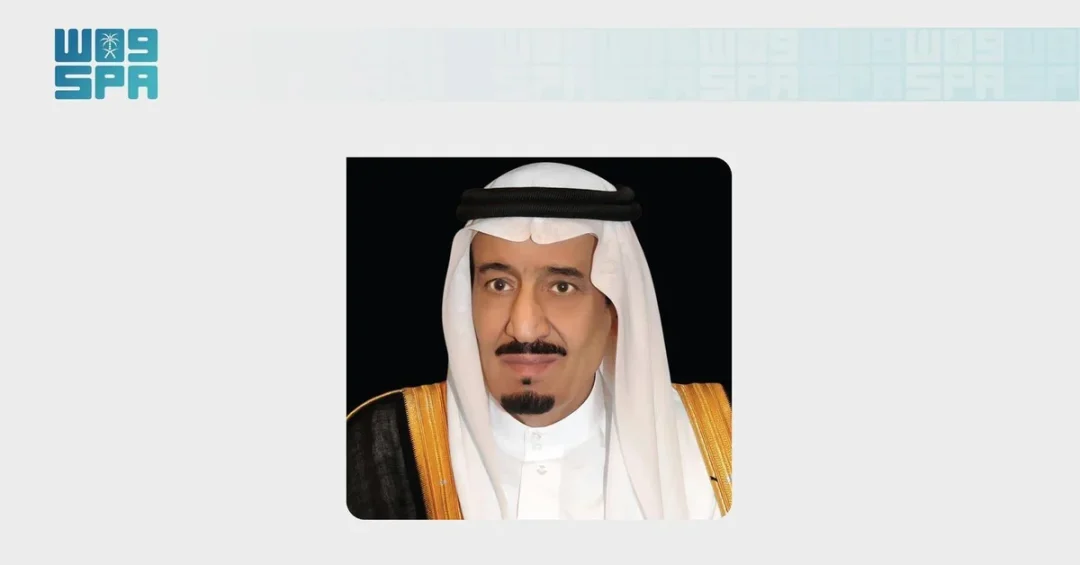
The Custodian of the Two Holy Mosques, King Salman bin Abdulaziz Al Saud, has sent a cable of congratulations to the President of the Federal Republic of Germany, Frank-Walter Steinmeier, on the occasion of Germany’s Unity Day, according to the Saudi Press Agency (SPA). In the cable, the King extended his best wishes to the German president for continued good health and happiness, and expressed his hopes for the steady progress and prosperity of the German government and people. The message, released on October 3, 2026, reflects the enduring diplomatic ties between the Kingdom of Saudi Arabia and Germany, two nations that have built a relationship grounded in mutual respect and shared interests.
Germany’s Unity Day, known as Tag der Deutschen Einheit, is celebrated annually on October 3 to mark the reunification of East and West Germany in 1990. It is a national holiday that symbolizes unity, freedom, and the strength of a nation coming together. For Saudi Arabia, sending congratulations on such a significant occasion is a customary diplomatic gesture that underscores the Kingdom’s commitment to maintaining strong bilateral relations with global partners. This year’s message comes amid growing cooperation between Riyadh and Berlin across multiple sectors, including energy, technology, and cultural exchange. The exchange of diplomatic pleasantries may appear routine, but it carries deeper meaning in the context of Saudi Arabia’s Vision 2030, which seeks to expand the Kingdom’s international partnerships and diversify its economy.
Context and Background
How do nations build bridges that withstand the test of time? Through consistent diplomacy and mutual respect, as demonstrated by the long-standing relationship between Saudi Arabia and Germany. Diplomatic relations between the two countries were formally established in 1954, and since then, they have developed into a robust partnership encompassing political dialogue, economic collaboration, and cultural ties. Germany, as Europe’s largest economy, represents a key partner for Saudi Arabia in its efforts to diversify its economy away from oil dependency. The regular exchange of congratulatory messages on national occasions is a cornerstone of this diplomatic friendship.
The Custodian of the Two Holy Mosques has consistently emphasized the importance of international cooperation and peaceful coexistence. His message to President Steinmeier is part of a broader pattern of Saudi diplomacy that seeks to strengthen ties with countries around the world. In recent years, Saudi-German relations have witnessed a number of high-level visits and agreements, including cooperation in renewable energy, healthcare, and education. These engagements align with the Kingdom’s Vision 2030, which aims to transform Saudi Arabia into a global investment powerhouse and a hub for innovation. The congratulatory cable, while brief, is a symbolic reaffirmation of these shared goals.
Germany’s Unity Day itself holds historical significance that resonates with Saudi Arabia’s own journey of development and modernization. Just as Germany overcame division to emerge as a unified and prosperous nation, Saudi Arabia is undergoing a historic transformation under Vision 2030, uniting its people around a common vision for the future. The parallels are not lost on observers, who see in the Saudi-German relationship a model of constructive engagement between different cultures and economic systems. The Kingdom’s leadership frequently highlights the value of learning from international experiences while staying true to national identity.
Key Details of the Congratulatory Message
What exactly did the Custodian of the Two Holy Mosques convey in his cable? According to the Saudi Press Agency, King Salman bin Abdulaziz Al Saud expressed his sincere wishes for President Frank-Walter Steinmeier’s continued good health and happiness. He also wished the government and people of Germany steady progress and prosperity. The message was sent on October 3, 2026, which is observed as German Unity Day. The cable is a standard diplomatic communication, but its content reflects the warmth and respect that characterize Saudi-German relations.
The Saudi Press Agency, the Kingdom’s official news agency, reported the message, ensuring that the public and international observers are aware of the diplomatic exchange. Such announcements are typically covered by state media and serve to document the ongoing dialogue between Saudi leadership and their counterparts abroad. The fact that the message was sent on the exact day of the celebration highlights the Kingdom’s attentiveness to its international partners’ important occasions. It also demonstrates the Custodian of the Two Holy Mosques’ personal commitment to fostering goodwill and understanding among nations.
While the cable itself is concise, it is part of a larger tapestry of Saudi diplomacy. The Kingdom regularly sends congratulatory messages to leaders of friendly nations on their national days, and these gestures are reciprocated on Saudi national occasions such as the Founding Day and the National Day. This reciprocal diplomacy helps maintain open channels of communication and reinforces the bonds of friendship. For Germany, receiving such a message from the Custodian of the Two Holy Mosques carries particular weight given Saudi Arabia’s role as a pivotal player in the Middle East and the global energy market.
International and Regional Impact
How does a simple congratulatory message contribute to international stability? By nurturing the personal relationships between leaders that often pave the way for substantive cooperation. The Saudi-German relationship is not just about bilateral trade; it also has implications for regional security, energy supply, and cultural exchange. Germany, as a member of the European Union and NATO, plays a significant role in global affairs, and Saudi Arabia values its perspective on issues ranging from climate change to conflict resolution. The regular exchange of diplomatic courtesies helps keep these channels open and functional.
In the broader Middle East, Saudi Arabia’s engagement with European powers like Germany is seen as a stabilizing factor. The Kingdom’s Vision 2030 has opened new avenues for collaboration, particularly in areas such as renewable energy, where German expertise and technology can complement Saudi Arabia’s ambitious plans for a green future. The congratulatory message may be a small gesture, but it is part of a consistent pattern of engagement that builds trust and facilitates partnerships. As the world becomes more interconnected, such diplomatic niceties take on added significance in maintaining a rules-based international order.
Furthermore, the timing of the message—amid ongoing global challenges such as economic uncertainty and geopolitical tensions—underscores Saudi Arabia’s commitment to constructive international engagement. By reaching out to Germany on its Unity Day, the Kingdom signals its support for European unity and prosperity, which in turn contributes to global stability. Saudi Arabia’s own experience of unification and development under the leadership of the Al Saud family gives it a unique appreciation for the value of national cohesion, making the message to Germany particularly resonant.
Economic and Strategic Significance
What lies beneath the surface of diplomatic pleasantries? A foundation for economic and strategic cooperation that benefits both nations. Saudi Arabia and Germany share a robust economic relationship, with bilateral trade spanning machinery, vehicles, chemicals, and renewable energy technologies. German companies are active in the Kingdom, contributing to projects related to Vision 2030, such as the development of smart cities and sustainable infrastructure. The congratulatory message helps maintain the positive atmosphere necessary for such business collaborations to thrive.
Strategically, Germany’s position in Europe and its influence within the European Union make it a valuable partner for Saudi Arabia as it seeks to diversify its alliances and reduce dependence on any single market. The Kingdom’s investments in Germany and vice versa are substantial, and both countries have expressed interest in expanding cooperation in areas like hydrogen production, digitalization, and education. The Custodian of the Two Holy Mosques’ message is a reminder that political goodwill is the bedrock of economic partnership. It reinforces the message that Saudi Arabia is open for business and committed to being a reliable partner on the world stage.
Moreover, the message aligns with Saudi Arabia’s efforts to position itself as a bridge between continents and cultures. By maintaining strong ties with Germany, the Kingdom enhances its ability to mediate and facilitate dialogue on global issues. This is particularly important as the world navigates complex challenges such as energy transition, climate change, and post-pandemic recovery. The Saudi-German relationship serves as an example of how countries with different histories and systems can work together for mutual benefit.
Vision 2030 Alignment
How does a diplomatic cable connect to Saudi Arabia’s long-term vision? Vision 2030 is not just an economic plan; it is a comprehensive strategy for national transformation that includes strengthening international partnerships. The Custodian of the Two Holy Mosques’ congratulatory message to President Steinmeier is a small but meaningful component of this strategy. It reflects the Kingdom’s commitment to engaging with the world, building alliances, and learning from successful models of development. Germany’s reunification and subsequent prosperity offer lessons in resilience and unity that resonate with Saudi Arabia’s own journey.
Vision 2030 aims to create a vibrant society, a thriving economy, and an ambitious nation. International diplomacy is an integral part of achieving these goals, as it opens doors for investment, technology transfer, and cultural exchange. The regular exchange of congratulations between Saudi and German leaders is a testament to the enduring friendship between the two nations and a promise of continued collaboration. As Saudi Arabia marches toward its centennial goals, such diplomatic gestures will continue to play a role in shaping a positive global image and fostering the relationships that underpin its success.
In conclusion, the cable of congratulations from the Custodian of the Two Holy Mosques to the President of Germany on Unity Day is more than a formality. It is a reflection of Saudi Arabia’s active and principled foreign policy, its respect for international partners, and its unwavering commitment to a peaceful and prosperous world. As the Kingdom continues its historic transformation, it will rely on friends and allies like Germany to share in its journey and celebrate its achievements. The message, though brief, carries the weight of a relationship built on mutual respect and shared aspirations for the future.
20 Questions
Q1. Who sent the congratulatory cable to the President of Germany?
A1. The Custodian of the Two Holy Mosques, King Salman bin Abdulaziz Al Saud, sent the cable to German President Frank-Walter Steinmeier on the occasion of Germany’s Unity Day.
Q2. What is Germany’s Unity Day and when is it celebrated?
A2. Germany’s Unity Day, or Tag der Deutschen Einheit, is celebrated annually on October 3 to commemorate the reunification of East and West Germany in 1990. It is a national holiday symbolizing unity and freedom.
Q3. What did King Salman wish for President Steinmeier?
A3. King Salman wished the president continued good health and happiness, and expressed his hopes for the steady progress and prosperity of the German government and people.
Q4. When was the cable sent according to the Saudi Press Agency?
A4. The cable was sent on October 3, 2026, as reported by the Saudi Press Agency, which is the official news agency of Saudi Arabia.
Q5. Why is this diplomatic gesture significant for Saudi-German relations?
A5. It reflects the enduring friendship and mutual respect between the two nations, and helps maintain open channels of communication that support cooperation in various fields.
Q6. How long have Saudi Arabia and Germany had diplomatic relations?
A6. Diplomatic relations between Saudi Arabia and Germany were formally established in 1954 and have since developed into a robust partnership encompassing political, economic, and cultural ties.
Q7. What are some areas of cooperation between Saudi Arabia and Germany?
A7. Cooperation spans energy, technology, healthcare, education, renewable energy, and cultural exchange, with German companies actively participating in Vision 2030 projects in the Kingdom.
Q8. How does this message align with Saudi Arabia’s Vision 2030?
A8. Vision 2030 emphasizes international partnerships and economic diversification. The message reinforces Saudi Arabia’s commitment to engaging with global partners like Germany to achieve shared goals.
Q9. What is the historical significance of Germany’s Unity Day?
A9. It marks the peaceful reunification of East and West Germany in 1990, symbolizing the end of division and the beginning of a unified, prosperous nation.
Q10. How does Saudi Arabia’s own development journey compare to Germany’s reunification?
A10. Both involve overcoming challenges to achieve unity and prosperity. Saudi Arabia’s Vision 2030 is a transformative journey that unites the nation around a common vision for the future.
Q11. What role does the Saudi Press Agency play in reporting such messages?
A11. The Saudi Press Agency is the official news agency that documents and disseminates information about diplomatic exchanges, ensuring transparency and public awareness of the Kingdom’s international engagements.
Q12. Are such congratulatory messages reciprocated by Germany?
A12. Yes, Germany typically sends congratulatory messages to Saudi Arabia on national occasions such as the National Day and Founding Day, reflecting the reciprocal nature of diplomatic relations.
Q13. What impact does this message have on regional stability?
A13. It contributes to maintaining positive relations between Saudi Arabia and a key European power, which supports regional stability and facilitates dialogue on global issues.
Q14. How does Saudi Arabia benefit from strong ties with Germany?
A14. Strong ties open opportunities for investment, technology transfer, and political support. Germany’s expertise in renewable energy and industry aligns with Saudi Arabia’s diversification goals.
Q15. What is the economic relationship between Saudi Arabia and Germany?
A15. Bilateral trade includes machinery, vehicles, chemicals, and renewable energy technologies. German companies are involved in Vision 2030 projects, contributing to sustainable development.
Q16. Does the message mention any specific agreements or projects?
A16. No, the cable is a diplomatic courtesy. However, it reflects the ongoing cooperation that includes various agreements and projects in energy, technology, and education.
Q17. How does this message reflect Saudi Arabia’s foreign policy principles?
A17. It demonstrates Saudi Arabia’s commitment to peaceful coexistence, mutual respect, and active engagement with the international community, consistent with its foreign policy objectives.
Q18. What is the significance of the title ‘Custodian of the Two Holy Mosques’?
A18. The title signifies the King’s role as the protector of Islam’s holiest sites in Mecca and Medina, underscoring his religious and political leadership in the Islamic world.
Q19. How does this message contribute to Saudi Arabia’s global image?
A19. It portrays Saudi Arabia as a responsible global partner that values diplomacy and international cooperation, enhancing its reputation as a forward-looking nation.
Q20. What can we expect next in Saudi-German relations?
A20. Continued high-level exchanges, economic collaboration, and cultural ties are expected, as both nations work to strengthen their partnership in line with Vision 2030 and shared global interests.
Reader Feedback
We value your thoughts. Please share your feedback on this article.
Your feedback helps us improve our coverage.
Related articles
 Rubio Urges G20 Action on Food Security and Navigation
 Saudi Air Defenses Intercept Hostile UAV in Riyadh Region
 Over 370 Signs and Screens Streamline Crowd Flow at Prophet’s Mosque
 Coalition Intercepts Houthi UAV in Southern Region
 Saudi FM Meets Russian FM at G20 in Atlanta
 Saudi FM Meets U.S. Secretary of State; U.S. Joins Expo 2030 Riyadh