


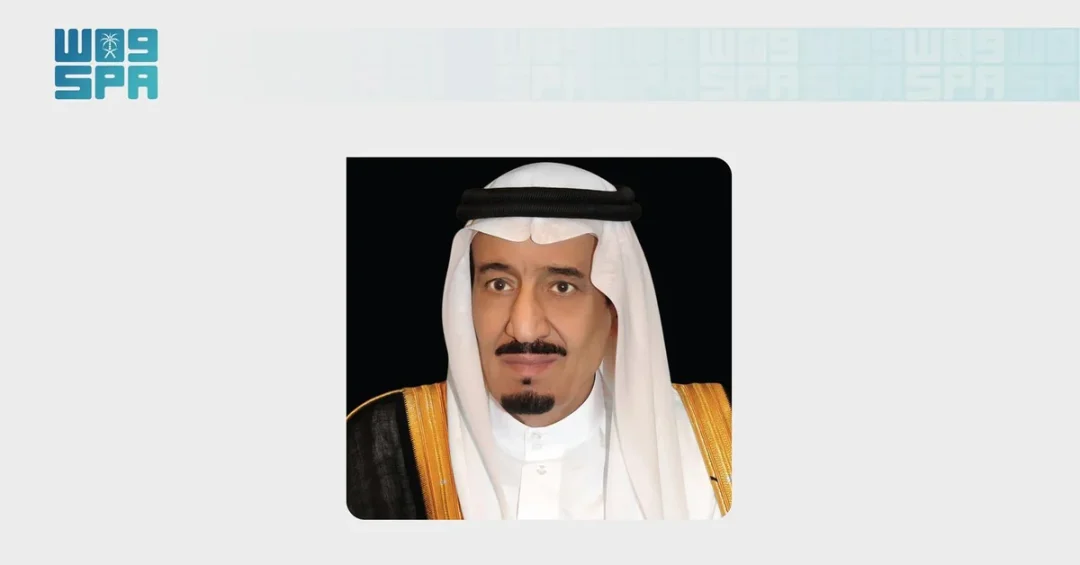
The Custodian of the Two Holy Mosques King Salman bin Abdulaziz Al Saud has sent a cable of congratulations to President Kassym-Jomart Tokayev of the Republic of Kazakhstan on the occasion of his country’s Republic Day, according to the Saudi Press Agency (SPA). In the message, the King wished the president continued good health and happiness, and extended his best wishes to the government and people of Kazakhstan for further progress and prosperity. The cable reflects the enduring warmth of Saudi-Kazakh relations and the Kingdom’s commitment to strengthening ties with partners across Central Asia.
The congratulatory message, released via official Saudi channels on October 25, 2026, underscores the importance Riyadh places on its diplomatic relationships and its consistent practice of honoring national occasions of friendly nations. Republic Day is one of Kazakhstan’s most significant public holidays, commemorating the declaration of sovereignty that paved the way for the modern nation. For observers of Saudi foreign policy, such gestures are far more than protocol: they signal continuity, respect, and a shared interest in stability and economic cooperation across the region. Why do these diplomatic courtesies matter so much in international relations? They build the trust that underpins trade, investment, and cultural exchange.
Context and Background
Kazakhstan’s Republic Day, celebrated on October 25, marks the anniversary of the 1990 declaration of state sovereignty, a foundational step toward the country’s independence in 1991. Since then, Kazakhstan has emerged as the largest economy in Central Asia and a key player in Eurasian affairs. Saudi Arabia recognized Kazakhstan’s independence shortly after the dissolution of the Soviet Union, and the two nations established diplomatic relations in 1994. Over the past three decades, ties have expanded steadily, encompassing political dialogue, energy cooperation, and cultural engagement. The Custodian of the Two Holy Mosques has consistently maintained a tradition of sending congratulatory cables to heads of state on national days, a practice that reflects the Kingdom’s respect for international norms and its proactive diplomacy.
How does the Kingdom’s outreach to Central Asia fit into its broader foreign policy? Saudi Arabia has long viewed Central Asia as a region of strategic importance, rich in natural resources and positioned at the crossroads of major trade routes. Kazakhstan, with its vast energy reserves and ambitious modernization agenda, is a natural partner. The bilateral relationship has been reinforced by high-level visits, including President Tokayev’s participation in Saudi-hosted summits and the Kingdom’s engagement with the Organization of Islamic Cooperation. These interactions have laid the groundwork for cooperation in oil and gas, agriculture, renewable energy, and tourism. The Republic Day cable is thus part of a wider pattern of sustained, high-level engagement that benefits both nations.
Key Details of the Congratulatory Message
The cable sent by King Salman conveyed warm wishes for President Tokayev’s continued good health and happiness, and expressed hope for the further progress and prosperity of the government and people of Kazakhstan. The message was published by the Saudi Press Agency, the Kingdom’s official news agency, ensuring its authenticity and wide dissemination. While the text of the cable is concise, its significance lies in the personal gesture from the Custodian of the Two Holy Mosques, who is widely respected across the Islamic world and beyond. Such messages are a regular feature of Saudi diplomacy and are often followed by deeper discussions on matters of mutual interest.
What specific areas of cooperation might the two countries explore next? Energy stands out as a cornerstone. Kazakhstan is a major oil producer and a member of OPEC+, while Saudi Arabia is the world’s leading exporter and a pivotal force in global energy markets. Coordination between Riyadh and Astana on production levels and market stability has been constructive. Beyond hydrocarbons, there is growing potential in green hydrogen, solar power, and agricultural trade. Kazakhstan’s fertile steppes produce wheat and other grains that could find markets in the Gulf, while Saudi expertise in desalination and petrochemicals could support Kazakh industrial diversification. Cultural and educational exchanges are also expanding, with Kazakh students studying in Saudi universities and Saudi cultural weeks held in Astana.
International and Regional Impact
The congratulatory cable is a small but meaningful element of Saudi Arabia’s broader engagement with Central Asia, a region where the Kingdom has steadily deepened its footprint. In recent years, Saudi Arabia has hosted summits with Central Asian leaders, signed investment agreements, and supported infrastructure projects. These efforts align with the Kingdom’s Vision 2030 objective of diversifying partnerships and positioning itself as a global hub connecting Asia, Europe, and the Middle East. For Kazakhstan, good relations with Saudi Arabia offer access to Gulf investment and a partner that shares its interest in stability and economic growth. The relationship also has a multilateral dimension, as both countries are active in the Organization of Islamic Cooperation and the United Nations.
How does this bilateral warmth affect the wider region? A stable, cooperative relationship between a Gulf heavyweight and a Central Asian leader contributes to a more predictable environment for trade and investment. It also complements the broader diplomatic architecture, including the Gulf Cooperation Council’s outreach to Central Asia and the China-led Belt and Road Initiative, in which Kazakhstan is a key transit country. Saudi Arabia’s support for Kazakhstan’s sovereignty and development is consistent with its principles of non-interference and mutual respect. As global supply chains shift and new economic corridors emerge, partnerships like this one help ensure that the region remains open, connected, and prosperous.
Economic and Strategic Significance
From an economic perspective, Saudi-Kazakh relations hold substantial promise. Kazakhstan’s economy, valued at over $200 billion, is diversifying beyond oil into manufacturing, logistics, and technology. Saudi companies, including giants like Saudi Aramco and the Public Investment Fund (PIF), have shown interest in Central Asian opportunities. Conversely, Kazakh firms see Saudi Arabia as a gateway to Gulf markets and a source of capital for major projects. The two countries have signed memoranda of understanding in areas such as renewable energy, mining, and food security. The Republic Day message may seem ceremonial, but it reinforces the political goodwill that enables these commercial ties to flourish.
What strategic interests bind Riyadh and Astana? Both are committed to stabilizing global energy markets, combating extremism, and promoting interfaith dialogue. Kazakhstan’s model of ethnic and religious harmony resonates with Saudi Arabia’s own vision of a moderate, forward-looking Islamic society. The Kingdom has supported Kazakhstan’s initiatives on conflict resolution and has participated in the Congress of Leaders of World and Traditional Religions held in Astana. In turn, Kazakhstan has backed Saudi Arabia’s hosting of major events, including Expo 2030 in Riyadh. This reciprocal support reflects a mature partnership built on shared values and mutual benefit, one that is likely to expand as both nations pursue ambitious national transformation agendas.
Vision 2030 Alignment
The congratulatory cable, while a routine diplomatic gesture, aligns with Saudi Arabia’s Vision 2030 by reinforcing the Kingdom’s global engagement and its role as a responsible international actor. Vision 2030 seeks to diversify the economy, strengthen partnerships, and enhance Saudi Arabia’s soft power. High-level communications with friendly nations contribute to these goals by building the trust and familiarity that underpin investment, tourism, and cultural exchange. As the Kingdom prepares to host major global events and attract visitors from around the world, maintaining positive relations with countries like Kazakhstan helps create a favorable international environment.
Moreover, the relationship with Kazakhstan offers opportunities that directly support Vision 2030’s economic diversification. Kazakh investment in Saudi projects, and Saudi investment in Kazakhstan, can create jobs and transfer knowledge. Cooperation in renewable energy and technology aligns with the Vision’s sustainability goals. People-to-people ties, including tourism and education, foster the cross-cultural understanding that a global hub requires. In sum, the Custodian of the Two Holy Mosques’ message to President Tokayev is a small but telling example of how Saudi diplomacy advances the Kingdom’s long-term vision of prosperity, openness, and leadership on the world stage.
20 Questions
Q1. Who sent the congratulatory cable to the President of Kazakhstan?
A1. The Custodian of the Two Holy Mosques King Salman bin Abdulaziz Al Saud sent the cable to President Kassym-Jomart Tokayev, according to the Saudi Press Agency.
Q2. What occasion prompted the message?
A2. The message was sent on the occasion of Kazakhstan’s Republic Day, celebrated on October 25, which marks the country’s declaration of sovereignty in 1990.
Q3. What did King Salman wish for President Tokayev?
A3. King Salman wished the president continued good health and happiness, and extended best wishes for further progress and prosperity to the government and people of Kazakhstan.
Q4. When was the cable reported?
A4. The Saudi Press Agency reported the cable on October 25, 2026, at 14:34 local time, which corresponds to 11:34 GMT.
Q5. What is the significance of Republic Day in Kazakhstan?
A5. Republic Day commemorates the 1990 declaration of state sovereignty, a pivotal step toward Kazakhstan’s independence in 1991, and is one of the nation’s most important public holidays.
Q6. How long have Saudi Arabia and Kazakhstan maintained diplomatic relations?
A6. The two countries established diplomatic relations in 1994, shortly after Kazakhstan gained independence, and have since built a broad partnership.
Q7. What are the main areas of cooperation between the two nations?
A7. Cooperation spans energy, trade, investment, agriculture, renewable energy, and cultural exchange, with growing potential in technology and tourism.
Q8. Why are such congratulatory messages important in diplomacy?
A8. They reflect respect, maintain regular high-level contact, and help build the trust that underpins economic and political cooperation between nations.
Q9. Does this message indicate a shift in Saudi foreign policy?
A9. No, it is part of Saudi Arabia’s consistent practice of engaging with friendly nations and its broader outreach to Central Asia.
Q10. What role does the Saudi Press Agency play?
A10. The Saudi Press Agency is the Kingdom’s official news agency, responsible for disseminating official statements and news, ensuring authenticity and wide reach.
Q11. How does this relate to Saudi Arabia’s Vision 2030?
A11. It supports Vision 2030 by strengthening international partnerships, enhancing soft power, and creating a favorable environment for investment and cultural exchange.
Q12. What economic opportunities exist between Saudi Arabia and Kazakhstan?
A12. Opportunities include energy market coordination, green hydrogen, solar power, agricultural trade, mining, and infrastructure investment by Saudi funds.
Q13. Is Kazakhstan a member of OPEC+?
A13. Yes, Kazakhstan is a participant in the OPEC+ agreement, and it coordinates with Saudi Arabia and other producers on oil market stability.
Q14. Have Saudi leaders visited Kazakhstan recently?
A14. While specific visits vary, Saudi Arabia has engaged Central Asian leaders through summits and bilateral meetings, reflecting sustained high-level contact.
Q15. What cultural ties exist between the two countries?
A15. Cultural ties include educational exchanges, participation in interfaith dialogues, and events like the Congress of Leaders of World and Traditional Religions in Astana.
Q16. How does Kazakhstan’s location benefit Saudi Arabia?
A16. Kazakhstan’s position at the crossroads of Eurasia offers Saudi Arabia access to new trade routes and markets, complementing the Kingdom’s global logistics ambitions.
Q17. What is the tone of the cable?
A17. The cable is warm and respectful, conveying personal good wishes and hopes for the prosperity of Kazakhstan’s government and people.
Q18. Does the message mention any specific agreements?
A18. The cable itself is a diplomatic courtesy and does not detail agreements, but it reinforces the positive atmosphere for ongoing and future cooperation.
Q19. How do such messages affect bilateral trade?
A19. They contribute to a stable and friendly environment that encourages businesses to explore opportunities and governments to sign agreements.
Q20. What can we expect next in Saudi-Kazakh relations?
A20. Continued high-level dialogue, expanded economic cooperation, and joint efforts on regional stability and energy market coordination are likely in the coming years.
Reader Feedback
We value your thoughts. Please share your feedback on this article.
Your feedback helps us improve our coverage.