


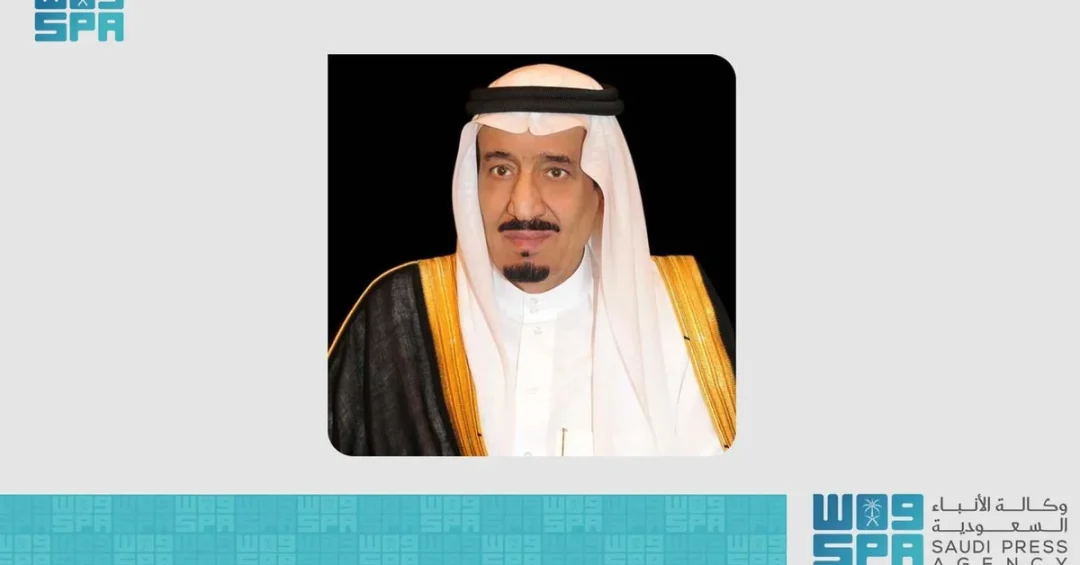
The Custodian of the Two Holy Mosques, King Salman bin Abdulaziz Al Saud, sent a cable of congratulations to Sheikh Sabah Khaled Al-Hamad Al-Sabah on his appointment as Crown Prince of the State of Kuwait, according to the Saudi Press Agency (SPA). The royal message, dated June 2, 2024, underscores the enduring fraternal ties between the Kingdom of Saudi Arabia and Kuwait and reflects the close coordination that characterizes Gulf diplomacy.
Context and Background
The appointment of Sheikh Sabah Khaled Al-Hamad Al-Sabah as Crown Prince of Kuwait marks a significant moment in the Gulf state’s leadership transition. Sheikh Sabah Khaled, a seasoned diplomat who previously served as Kuwait’s Prime Minister and Foreign Minister, brings decades of experience in regional and international affairs. His elevation to the position of Crown Prince follows the tradition of Kuwait’s ruling Al-Sabah family and is expected to reinforce Kuwait’s stability and its constructive role in Gulf Cooperation Council (GCC) affairs. The congratulatory cable from King Salman highlights the deep-rooted historical relations between the two neighboring countries, which share not only borders but also a common vision for regional security and prosperity.
Relations between Saudi Arabia and Kuwait have long been anchored in mutual respect and strategic alignment. Both nations are founding members of the GCC and have collaborated on a wide range of issues, from energy policy to counterterrorism. The exchange of such diplomatic courtesies is a customary practice among Gulf leaders, signaling both personal respect and political solidarity. In this instance, the message from the Custodian of the Two Holy Mosques carries particular weight given Saudi Arabia’s role as a regional leader and its ongoing efforts to promote stability and development across the Middle East.
Key Details
In his cable, King Salman expressed sincere congratulations on the trust placed in Sheikh Sabah Khaled, stressing “the depth of the fraternal ties and distinguished historical relations between our two brotherly countries and peoples.” The Saudi monarch wished the new Crown Prince “abundant health, happiness, success and prosperity,” and extended his wishes for “the brotherly people of the State of Kuwait more progress and prosperity.” The message was transmitted via the Saudi Press Agency, the Kingdom’s official news outlet.
Sheikh Sabah Khaled Al-Hamad Al-Sabah has held several high-ranking positions, including Minister of Foreign Affairs and Prime Minister, during which he played a key role in navigating Kuwait’s foreign policy through complex regional challenges. His appointment as Crown Prince is seen as a continuation of Kuwait’s balanced and pragmatic approach to international relations. The Saudi congratulatory message is part of a broader pattern of diplomatic engagement among GCC leaders, who frequently exchange such cables to reaffirm their unity and shared objectives.
Implications and Impact
The congratulatory message is more than a ceremonial gesture; it reaffirms the strong bilateral relationship between Saudi Arabia and Kuwait, which is vital for regional stability. Both countries are major oil producers and coordinate closely within the OPEC+ framework to ensure market stability. Their cooperation extends to security, trade, and infrastructure, including joint projects such as the Saudi-Kuwaiti Neutral Zone, which produces crude oil for both nations. The appointment of a new Crown Prince in Kuwait is unlikely to alter the trajectory of these ties, given the longstanding consensus on key issues.
At the regional level, the message signals Saudi Arabia’s support for Kuwait’s leadership continuity and its commitment to Gulf unity. In a period of shifting alliances and economic transformations, the GCC remains a cornerstone of Saudi foreign policy. King Salman’s prompt congratulation also reflects the personal bonds between the Saudi and Kuwaiti ruling families, which have been nurtured over decades. For international observers, this exchange underscores the stability and predictability of Gulf politics, even amid leadership changes.
Vision 2030 Alignment
Saudi Arabia’s Vision 2030, the Kingdom’s ambitious blueprint for economic diversification and social development, relies on a stable and cooperative neighborhood. Strong ties with Kuwait contribute to a favorable regional environment for investment, trade, and tourism. Both countries are working to diversify their economies away from oil dependence, and their collaboration in sectors such as logistics, renewable energy, and technology aligns with Vision 2030 objectives. The congratulatory message thus reinforces the diplomatic foundation upon which Saudi Arabia’s long-term prosperity and global role are built. As the Kingdom continues to modernize and open up, partnerships with Gulf neighbors like Kuwait will remain essential to achieving shared goals of security, progress, and prosperity.
20 Questions
Q1. Who sent the congratulatory cable to Sheikh Sabah Khaled Al-Hamad Al-Sabah?
A1. The Custodian of the Two Holy Mosques, King Salman bin Abdulaziz Al Saud, sent the cable, as reported by the Saudi Press Agency. The message was dated June 2, 2024, and conveyed sincere congratulations on the appointment.
Q2. What position was Sheikh Sabah Khaled Al-Hamad Al-Sabah appointed to?
A2. Sheikh Sabah Khaled Al-Hamad Al-Sabah was appointed as Crown Prince of the State of Kuwait. This position is a senior role in the Kuwaiti leadership, following the ruling Al-Sabah family’s traditions.
Q3. When was the congratulatory cable sent?
A3. The cable was sent on June 2, 2024, according to the Saudi Press Agency. The message was transmitted from Jeddah and published by the official Saudi news outlet.
Q4. What did King Salman emphasize in his message?
A4. King Salman emphasized the depth of fraternal ties and distinguished historical relations between Saudi Arabia and Kuwait. He also wished Sheikh Sabah Khaled health, happiness, success, and prosperity, and the Kuwaiti people further progress.
Q5. Which Saudi agency reported the congratulatory message?
A5. The Saudi Press Agency, the Kingdom’s official news outlet, reported the message. It is the primary source for official Saudi news and statements from the royal court.
Q6. What is the significance of this congratulatory message?
A6. The message reaffirms the strong bilateral relationship and diplomatic coordination between Saudi Arabia and Kuwait. It reflects the customary exchange of courtesies among Gulf leaders and underscores regional solidarity.
Q7. What prior positions has Sheikh Sabah Khaled held?
A7. Sheikh Sabah Khaled Al-Hamad Al-Sabah previously served as Kuwait’s Prime Minister and Minister of Foreign Affairs. His extensive experience in diplomacy and governance has prepared him for the role of Crown Prince.
Q8. How does this appointment affect Saudi-Kuwaiti relations?
A8. The appointment is expected to maintain and strengthen the already robust ties between the two countries. Both nations share common interests in security, energy, and economic cooperation within the Gulf Cooperation Council.
Q9. What are the historical relations between Saudi Arabia and Kuwait?
A9. Saudi Arabia and Kuwait have long-standing fraternal relations rooted in shared borders, culture, and mutual interests. They are founding members of the Gulf Cooperation Council and coordinate on various regional issues.
Q10. What role does the Gulf Cooperation Council play in Saudi-Kuwaiti ties?
A10. The Gulf Cooperation Council provides a framework for political, economic, and security cooperation among its member states. Saudi Arabia and Kuwait actively participate in GCC initiatives to promote regional integration and stability.
Q11. How does this message align with Saudi Arabia’s foreign policy?
A11. The message aligns with Saudi Arabia’s foreign policy of maintaining strong ties with neighboring Gulf states. It reflects the Kingdom’s commitment to regional stability and cooperation under the leadership of King Salman and Crown Prince Mohammed bin Salman.
Q12. What economic ties exist between Saudi Arabia and Kuwait?
A12. The two countries cooperate in oil production, including in the Neutral Zone, and trade. They are both major oil producers and coordinate within OPEC+ to ensure market stability.
Q13. What is the Neutral Zone?
A13. The Neutral Zone is a shared oil-producing area between Saudi Arabia and Kuwait. It operates under a joint agreement and contributes to the oil output of both nations.
Q14. How does Kuwait’s leadership transition affect regional stability?
A14. Kuwait’s leadership transitions are typically smooth and follow established traditions, ensuring continuity in its foreign policy. This contributes to overall stability in the Gulf region.
Q15. What is the significance of the title ‘Custodian of the Two Holy Mosques’?
A15. The title ‘Custodian of the Two Holy Mosques’ refers to the Saudi monarch’s role as protector of Islam’s holiest sites in Mecca and Medina. It underscores the King’s religious and political leadership.
Q16. How do Saudi leaders typically communicate with Gulf counterparts?
A16. Saudi leaders often send cables or make phone calls to congratulate or condole with Gulf leaders on significant occasions. These communications are formal and reflect the close ties between the nations.
Q17. What does the message say about the Kuwaiti people?
A17. King Salman wished the brotherly people of Kuwait more progress and prosperity. This reflects the warm sentiments and fraternal bond between the Saudi and Kuwaiti peoples.
Q18. What is the expected impact on bilateral trade?
A18. The appointment is unlikely to disrupt bilateral trade, which is already strong. Continued cooperation is expected, especially in energy, investment, and infrastructure projects.
Q19. How does this event relate to Vision 2030?
A19. Vision 2030 aims for a diversified economy and stable region. Strong ties with Kuwait support this by fostering a cooperative neighborhood conducive to investment and development.
Q20. What is the next step after this congratulatory message?
A20. Typically, such messages are followed by continued diplomatic engagement and cooperation on mutual interests. No specific policy changes are anticipated, as relations remain strong.
Reader Feedback
We value your thoughts. Please share your feedback on this article.
Your feedback helps us improve our coverage.