


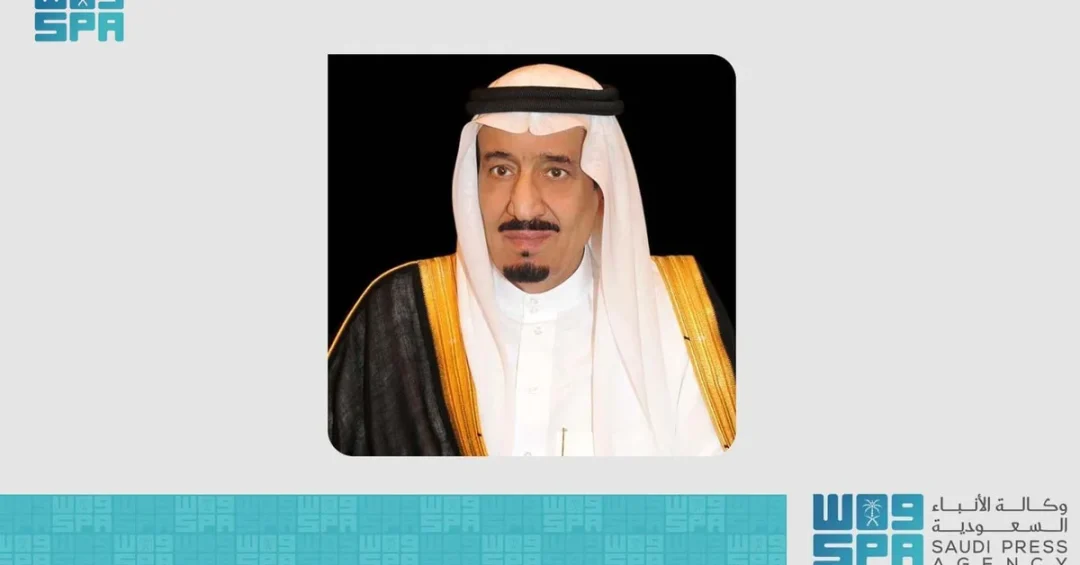
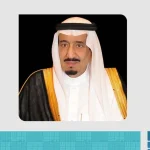
The Custodian of the Two Holy Mosques King Salman bin Abdulaziz Al Saud has sent a cable of congratulations to King Mohammed VI of the Kingdom of Morocco on the occasion of his country’s Independence Day, according to an announcement carried by the Saudi Press Agency on November 18, 2024. In the cable, the Custodian of the Two Holy Mosques wished the King of Morocco continued good health and happiness, and extended his sincere congratulations to the government and people of Morocco, wishing them steady progress and prosperity. The message was released through official Saudi channels and reflects the enduring strength of the bilateral relationship between the Kingdom of Saudi Arabia and the Kingdom of Morocco, two nations bound by deep historical, cultural, and religious ties.
The congratulatory cable is a routine yet symbolically significant diplomatic gesture that underscores the warmth of Saudi-Moroccan relations. It arrives as both countries continue to advance ambitious national development agendas, with Saudi Arabia pursuing Vision 2030 under the leadership of the Custodian of the Two Holy Mosques and His Royal Highness Crown Prince Mohammed bin Salman bin Abdulaziz Al Saud, and Morocco implementing its own New Development Model. The exchange of such messages between the two royal courts is a longstanding tradition that reaffirms mutual respect and shared aspirations for stability and prosperity across the Arab and Islamic world.
Context and Background
Why does a simple congratulatory cable between two monarchs carry such weight in regional diplomacy? Morocco’s Independence Day, celebrated annually on November 18, commemorates the North African kingdom’s liberation from French and Spanish colonial rule in 1956. The date holds profound national significance for Moroccans and is marked by ceremonies, cultural events, and official receptions across the kingdom. In the Arab world, such national days are occasions for allied and friendly nations to reaffirm their bonds through formal diplomatic correspondence, and Saudi Arabia has consistently been among the first to extend congratulations to Morocco on this occasion.
The relationship between the Kingdom of Saudi Arabia and the Kingdom of Morocco predates modern statehood and is rooted in centuries of shared Islamic heritage, including Morocco’s historic role in hosting renowned centers of learning such as Al-Qarawiyyin University in Fez, one of the oldest continuously operating universities in the world. Saudi Arabia, as the custodian of the Two Holy Mosques in Makkah and Madinah, shares with Morocco a commitment to serving Islam and Muslims globally. This spiritual kinship has been reinforced over decades through high-level visits, bilateral agreements, and coordination within multilateral organizations such as the Organization of Islamic Cooperation and the Arab League.
In recent years, Saudi-Moroccan ties have expanded well beyond ceremonial exchanges. The two countries have signed numerous agreements covering trade, investment, tourism, culture, and security cooperation. Saudi Arabia has consistently supported Morocco’s territorial integrity and sovereignty, while Morocco has stood with Saudi Arabia on matters of regional security and stability. The congratulatory cable from the Custodian of the Two Holy Mosques is therefore part of a broader tapestry of diplomatic engagement that reflects shared strategic interests and mutual trust.
Key Details
What exactly did the message from the Custodian of the Two Holy Mosques convey? According to the Saudi Press Agency, King Salman bin Abdulaziz Al Saud extended his heartfelt congratulations to King Mohammed VI, expressing his wishes for the Moroccan monarch’s continued good health and happiness. The cable also conveyed the Saudi leadership’s hopes for the government and people of Morocco to enjoy steady progress and prosperity. Such messages are typically dispatched through official diplomatic channels and are often published by state news agencies as a matter of public record.
The Custodian of the Two Holy Mosques is the official title held by the King of Saudi Arabia, signifying his role as the guardian of the two holiest sites in Islam. This title carries immense religious and political significance, and its use in diplomatic correspondence with Morocco highlights the special status that the North African kingdom holds in Saudi Arabia’s foreign policy. King Mohammed VI, who ascended to the throne in 1999, is a direct descendant of the Alaouite dynasty, which has ruled Morocco since the 17th century and claims lineage to the Prophet Muhammad, a factor that adds a layer of spiritual resonance to the exchange between the two monarchs.
The timing of the cable, released on November 18, 2024, aligns with the annual observance of Moroccan Independence Day. The message was distributed by the Saudi Press Agency, the official national news agency of the Kingdom of Saudi Arabia, ensuring that it reached both domestic and international audiences. While the text of the cable is concise, its publication serves to publicly reaffirm the strong fraternal relations between Riyadh and Rabat, a relationship that has been consistently characterized by cooperation and mutual respect.
International and Regional Impact
What does this diplomatic exchange signal to the wider region and beyond? The Saudi-Moroccan relationship is a cornerstone of Arab and Islamic solidarity, and public gestures such as this congratulatory cable reinforce the image of a unified and cooperative Arab world. In a region often marked by volatility, the steady friendship between Riyadh and Rabat stands out as an example of constructive diplomacy. Both nations have played active roles in mediating regional disputes and promoting dialogue, and their alignment on key issues—from counterterrorism to economic development—strengthens the broader stability of the Middle East and North Africa.
For international observers, the message also highlights Saudi Arabia’s continued engagement with friendly nations across the globe. Under the leadership of the Custodian of the Two Holy Mosques and Crown Prince Mohammed bin Salman, the Kingdom has pursued a foreign policy that emphasizes partnerships, economic cooperation, and cultural exchange. Congratulatory messages of this kind are a small but meaningful part of that outreach, helping to maintain the personal and institutional ties that underpin diplomatic relations. Morocco, for its part, values its relationship with Saudi Arabia as a key pillar of its own foreign policy, particularly given the Kingdom’s influence in the Arab and Islamic worlds.
The exchange also comes amid broader shifts in global geopolitics, including evolving alliances and economic realignments. Saudi Arabia’s Vision 2030 has positioned the Kingdom as a hub for investment, tourism, and innovation, attracting interest from partners across Africa, Asia, and Europe. Morocco, with its strategic location at the crossroads of Africa and Europe, is a natural partner in these efforts. The congratulatory cable, while symbolic, is a reminder of the diplomatic infrastructure that supports deeper economic and cultural collaboration between the two nations.
Economic and Strategic Significance
How do symbolic diplomatic gestures translate into tangible economic and strategic outcomes? The Saudi-Moroccan economic relationship has grown considerably in recent years, with bilateral trade encompassing energy, agriculture, pharmaceuticals, and manufactured goods. Saudi Arabia is a major investor in Morocco, and Moroccan companies have found opportunities in the Saudi market, particularly in sectors such as food processing, construction, and renewable energy. The two countries have also cooperated in the tourism sector, with Moroccan cultural and heritage sites attracting Saudi visitors and Saudi Arabia’s religious tourism drawing Moroccan pilgrims.
Strategically, the partnership extends to security and defense cooperation. Both nations face shared challenges, including the threat of extremism and the need to secure their borders and critical infrastructure. Saudi-Moroccan military and security ties have deepened through joint exercises, training programs, and intelligence sharing. This cooperation is underpinned by a shared commitment to stability in the region and to combating forces that seek to undermine peace and prosperity. The congratulatory cable, while ceremonial, reflects the political goodwill that makes such practical cooperation possible.
In the context of Vision 2030, Saudi Arabia’s economic transformation strategy, partnerships with countries like Morocco are valuable for expanding trade routes and investment opportunities. Morocco serves as a gateway to African markets, and Saudi companies looking to expand their footprint on the continent can benefit from Moroccan expertise and networks. Conversely, Moroccan businesses can leverage Saudi Arabia’s position as a regional economic powerhouse and its ambitious giga-projects, including NEOM, the Red Sea Project, and Qiddiya, which offer a wide range of partnership opportunities.
Vision 2030 Alignment
How does this diplomatic exchange align with Saudi Arabia’s long-term vision for itself and the region? Vision 2030, launched by Crown Prince Mohammed bin Salman in 2016, aims to diversify the Saudi economy, enhance the Kingdom’s global engagement, and improve the quality of life for its citizens and residents. A key pillar of the vision is strengthening Saudi Arabia’s role as a bridge between continents and cultures. Friendly relations with countries like Morocco contribute to this objective by fostering an environment of cooperation and mutual understanding.
The Custodian of the Two Holy Mosques’ congratulatory message also reflects the vision’s emphasis on Islamic solidarity and the Kingdom’s leadership in the Muslim world. As the guardian of the Two Holy Mosques, King Salman’s outreach to Morocco reinforces the bonds of faith that unite the ummah. This spiritual dimension complements the economic and strategic aspects of the relationship, creating a comprehensive partnership that serves the interests of both nations and contributes to regional stability and prosperity. As Saudi Arabia continues its journey toward a diversified, knowledge-based economy, its friendships and alliances will remain a vital asset in achieving the goals of Vision 2030.
20 Questions
Q1. Who sent the congratulatory cable to the King of Morocco?
A1. The Custodian of the Two Holy Mosques, King Salman bin Abdulaziz Al Saud, sent the cable of congratulations to King Mohammed VI of Morocco on the occasion of Morocco’s Independence Day.
Q2. What occasion prompted the congratulatory message?
A2. The message was sent on the occasion of Morocco’s Independence Day, celebrated annually on November 18, which marks the kingdom’s liberation from colonial rule in 1956.
Q3. When was the cable released?
A3. The cable was released on November 18, 2024, and was carried by the Saudi Press Agency, the official national news agency of Saudi Arabia.
Q4. What wishes did King Salman express for King Mohammed VI?
A4. King Salman wished King Mohammed VI continued good health and happiness, and extended his hopes for steady progress and prosperity for the government and people of Morocco.
Q5. Why is the title ‘Custodian of the Two Holy Mosques’ significant in this context?
A5. The title signifies the Saudi King’s role as guardian of Islam’s two holiest sites in Makkah and Madinah, adding religious weight to diplomatic correspondence with Morocco, a fellow Islamic nation.
Q6. How long has the Alaouite dynasty ruled Morocco?
A6. The Alaouite dynasty has ruled Morocco since the 17th century, and King Mohammed VI, who ascended the throne in 1999, is a direct descendant of this historic royal line.
Q7. What are the historical roots of Saudi-Moroccan relations?
A7. Saudi-Moroccan relations are rooted in centuries of shared Islamic heritage, including Morocco’s historic centers of learning and Saudi Arabia’s custodianship of the Two Holy Mosques, fostering deep spiritual and cultural ties.
Q8. How do Saudi Arabia and Morocco cooperate in multilateral organizations?
A8. The two nations coordinate within the Organization of Islamic Cooperation and the Arab League, working together on issues of regional security, Islamic solidarity, and economic development.
Q9. What economic sectors feature in Saudi-Moroccan cooperation?
A9. Bilateral cooperation spans energy, agriculture, pharmaceuticals, manufacturing, tourism, and renewable energy, with Saudi Arabia investing in Morocco and Moroccan firms active in the Saudi market.
Q10. How does Morocco’s strategic location benefit Saudi Arabia?
A10. Morocco serves as a gateway to African markets, offering Saudi companies access to the continent, while its Mediterranean and Atlantic ports facilitate trade routes between Africa and Europe.
Q11. What role does the Saudi Press Agency play in releasing such messages?
A11. The Saudi Press Agency is the official national news agency that disseminates government announcements, including royal cables, ensuring they reach domestic and international audiences accurately and promptly.
Q12. How does this cable reflect Saudi Arabia’s foreign policy under Vision 2030?
A12. It reflects Vision 2030’s emphasis on global engagement, partnerships, and Islamic solidarity, showcasing Saudi Arabia’s commitment to maintaining strong ties with friendly nations like Morocco.
Q13. What is the significance of Independence Day in Morocco?
A13. Morocco’s Independence Day commemorates the end of French and Spanish colonial rule in 1956 and is marked by national celebrations, cultural events, and official receptions across the kingdom.
Q14. Have Saudi and Moroccan leaders exchanged visits in recent years?
A14. Yes, high-level visits and bilateral agreements have been exchanged, reinforcing cooperation in trade, investment, tourism, culture, and security between the two kingdoms.
Q15. What security challenges do Saudi Arabia and Morocco jointly address?
A15. Both nations cooperate on counterterrorism, border security, and intelligence sharing to combat extremism and protect critical infrastructure, contributing to regional stability.
Q16. How does the congratulatory message benefit Saudi-Moroccan relations?
A16. It reinforces political goodwill, maintains personal ties between the royal courts, and publicly reaffirms the fraternal bonds that underpin diplomatic, economic, and cultural cooperation.
Q17. What is Vision 2030 and how does it relate to this event?
A17. Vision 2030 is Saudi Arabia’s national transformation strategy to diversify the economy and enhance global engagement; friendly gestures like this cable support its diplomatic and economic objectives.
Q18. What giga-projects in Saudi Arabia offer partnership opportunities for Morocco?
A18. NEOM, the Red Sea Project, and Qiddiya are among the giga-projects that offer partnership opportunities for Moroccan businesses in construction, tourism, technology, and services.
Q19. How does the exchange reflect Islamic solidarity?
A19. As guardian of the Two Holy Mosques, King Salman’s message to Morocco’s monarch, a descendant of the Prophet’s lineage, underscores the spiritual bonds uniting the Islamic ummah.
Q20. What does the future hold for Saudi-Moroccan relations?
A20. The future looks promising, with continued cooperation in trade, investment, security, and culture, aligned with Saudi Arabia’s Vision 2030 and Morocco’s development goals, fostering mutual prosperity.
Reader Feedback
We value your thoughts. Please share your feedback on this article.
Your feedback helps us improve our coverage.
Related articles
 King Salman Congratulates Latvia on Independence Day
 Crown Prince Congratulates Morocco’s King on Independence Day
 Crown Prince Congratulates Latvia on Independence Day
 King Salman Congratulates Oman on National Day
 4.9-Magnitude Earthquake Hits Philippines’ Batanes Province
 Saudi Arabia Monday Weather: Storms, Fog, Sea Outlook