


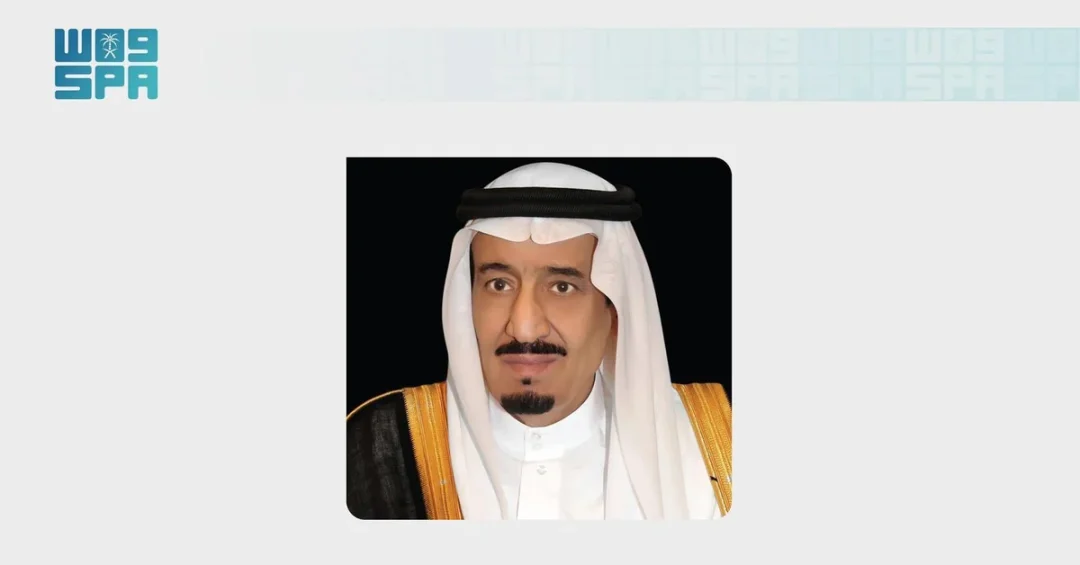
Custodian of the Two Holy Mosques King Salman bin Abdulaziz Al Saud has sent a cable of congratulations to Sultan Haitham bin Tarik of Oman on the occasion of Oman’s National Day, according to the Saudi Press Agency (SPA). The message, released via official Saudi channels, conveyed the King’s warm wishes for the Sultan’s continued good health and happiness, and for the government and people of Oman steady progress and prosperity. In his cable, the Custodian of the Two Holy Mosques also lauded the distinguished fraternal relations that bind the two countries and their peoples, relations that both sides are keen to strengthen across all fields. The congratulatory message underscores the enduring bonds between Riyadh and Muscat and reflects the broader spirit of Gulf cooperation and solidarity.
What does this annual exchange of diplomatic courtesies reveal about the depth of Saudi-Omani ties? The cable, while traditional in format, carries significant weight in the context of regional diplomacy. It highlights the consistency of Saudi Arabia’s outreach to its neighbors and its commitment to maintaining strong, stable relationships within the Gulf Cooperation Council (GCC) and the wider Arab world. The message also comes at a time of growing economic and strategic collaboration between the two nations, making the fraternal greetings more than a ceremonial formality. It is a reaffirmation of shared values and a joint vision for a prosperous and secure region.
Context and Background
Why does Oman’s National Day resonate so strongly in Riyadh? Oman celebrates its National Day on November 18 each year, marking the birthday of the late Sultan Qaboos bin Said and the nation’s modern renaissance. The occasion is a moment of national pride for Omanis and a diplomatic fixture across the region, with leaders from friendly nations sending congratulatory messages. The Kingdom of Saudi Arabia has consistently been among the first to extend such greetings, reflecting the special place Oman holds in Saudi foreign policy. The relationship between the two countries is rooted in geography, history, and shared tribal and cultural heritage, and it has been carefully nurtured by successive Saudi monarchs.
The Custodian of the Two Holy Mosques’ cable is part of a long-standing tradition of high-level communication between Saudi and Omani leadership. King Salman bin Abdulaziz Al Saud, who has reigned since 2015, has prioritized close ties with Gulf neighbors as a cornerstone of Saudi Arabia’s regional strategy. Sultan Haitham bin Tarik, who acceded to the throne in 2020, has continued Oman’s balanced and constructive foreign policy, further strengthening the bilateral relationship. The exchange of congratulations is therefore not merely protocol; it is a reaffirmation of a strategic partnership that has deepened over decades and continues to evolve in response to regional and global developments.
How have Saudi-Omani relations evolved in recent years? The two nations have expanded cooperation across political, economic, and security domains. They share a common vision for stability in the Gulf and the broader Middle East, and they coordinate closely on issues ranging from maritime security to energy markets. The Saudi-Omani relationship is often described as one of the most stable and mutually respectful in the region, built on non-interference and mutual benefit. This foundation allows for frank dialogue and joint action, even when regional circumstances are complex. The congratulatory cable is a public expression of that enduring friendship.
Key Details of the Congratulatory Message
What specific sentiments did the Custodian of the Two Holy Mosques convey? According to the Saudi Press Agency, King Salman wished Sultan Haitham bin Tarik continued good health and happiness. He also expressed hopes for steady progress and prosperity for the government and people of Oman. These wishes are standard in diplomatic correspondence but carry genuine warmth given the fraternal nature of the relationship. The King further lauded the distinguished fraternal relations between the two countries and their peoples, noting that both sides are keen to boost these ties in all fields. This language signals a mutual commitment to deepening collaboration, not just maintaining the status quo.
The cable was sent on the occasion of Oman’s National Day, which this year falls amid a period of significant regional activity. The message was released by the Saudi Press Agency, the Kingdom’s official news agency, ensuring that it reaches both domestic and international audiences. The timing is notable because it coincides with ongoing efforts to enhance Gulf economic integration and security cooperation. By publicly extending these wishes, Saudi Arabia reinforces its role as a responsible regional leader and a steadfast partner to its neighbors. The message also serves as a reminder of the personal rapport between the Saudi and Omani leaderships, which facilitates high-level coordination.
How does this message fit into the broader pattern of Saudi diplomacy? The Kingdom regularly sends congratulatory cables to leaders of friendly and brotherly nations on their national days. These messages are a key component of Saudi public diplomacy, helping to maintain open channels of communication and goodwill. In the case of Oman, the cable is part of a continuous dialogue that includes state visits, bilateral agreements, and joint economic projects. The Custodian of the Two Holy Mosques’ personal touch in these messages reflects the importance Saudi Arabia attaches to personal relationships in international affairs. It is a diplomatic tool that complements formal treaties and institutional cooperation.
International and Regional Impact
Why does the Saudi-Omani relationship matter beyond the two countries? Saudi Arabia and Oman are both members of the Gulf Cooperation Council, the Arab League, and the Organization of Islamic Cooperation. Their partnership contributes to the stability of the Gulf region, a vital artery for global energy supplies and trade. A strong Saudi-Omani axis supports collective security arrangements and enhances the GCC’s ability to address common challenges, from economic diversification to maritime security. Moreover, the two nations often coordinate positions on regional crises, advocating for dialogue and peaceful resolution. Their cooperation is a stabilizing factor in a volatile neighborhood.
What signal does this congratulatory message send to the wider world? It demonstrates that Saudi Arabia values its relationships with all Gulf states and is committed to a unified regional front. In a time of shifting global alliances and economic uncertainty, the Saudi-Omani bond stands as a model of constructive neighborliness. It also highlights Oman’s role as a bridge between different regional actors, a role that Saudi Arabia respects and supports. The message reinforces the idea that the Gulf is not just a collection of separate economies but a cohesive region with shared interests. For international observers, it is a reminder of the diplomatic maturity and stability that characterize Saudi foreign policy under King Salman and Crown Prince Mohammed bin Salman.
Economic and Strategic Significance
How do economic ties underpin the Saudi-Omani relationship? Trade between the two countries has grown steadily, with Saudi Arabia being one of Oman’s largest trading partners. The two nations collaborate in energy, logistics, mining, and tourism, among other sectors. Saudi Arabia’s Vision 2030 economic diversification plan and Oman’s Vision 2040 share common goals of reducing oil dependence and fostering private-sector growth. This convergence creates opportunities for joint ventures and cross-border investment. The congratulatory message, while not an economic agreement, helps maintain the political goodwill necessary for such commercial cooperation to flourish.
What strategic interests bind Riyadh and Muscat? Both countries share a deep interest in the security of the Strait of Hormuz and the broader Indian Ocean region. They cooperate on counterterrorism, maritime security, and defense. Oman’s strategic location at the mouth of the Gulf makes it a key partner for Saudi Arabia in ensuring freedom of navigation and protecting critical infrastructure. Additionally, the two nations are investing in major infrastructure projects that could link their economies more closely, such as the Saudi-Oman road and rail networks. These projects are part of a larger vision to integrate the Gulf’s transport and logistics networks, boosting trade and people-to-people ties. The diplomatic warmth expressed in the cable provides a conducive environment for these initiatives.
Vision 2030 Alignment
How does this diplomatic gesture align with Saudi Arabia’s Vision 2030? Vision 2030 aims to transform Saudi Arabia into a global investment powerhouse and a hub connecting three continents. Strong relations with neighbors like Oman are essential to achieving this goal. Oman serves as a gateway to markets in East Africa and South Asia, and its ports complement Saudi Arabia’s own ambitious logistics plans. By maintaining close ties, Saudi Arabia can leverage Oman’s infrastructure and strategic position to enhance its own trade routes. Furthermore, the Vision 2030 emphasis on regional stability and economic integration is directly supported by the positive diplomatic climate reflected in the King’s message.
What does the future hold for Saudi-Omani relations? The congratulatory cable is a small but meaningful part of a broader trajectory of deepening cooperation. As both nations pursue their respective economic visions, their interests will increasingly align. Saudi Arabia’s leadership in the region, coupled with Oman’s diplomatic experience, creates a powerful partnership for addressing challenges and seizing opportunities. The Custodian of the Two Holy Mosques’ message reaffirms the Kingdom’s commitment to this partnership and to the prosperity of the Omani people. It is a clear statement that Saudi Arabia will continue to stand by its brothers in Oman as they build their future. In the years ahead, this relationship is poised to grow even stronger, contributing to the stability and prosperity of the entire region.
20 Questions
Q1. Who sent a cable of congratulations to Sultan Haitham bin Tarik of Oman?
A1. Custodian of the Two Holy Mosques King Salman bin Abdulaziz Al Saud sent the cable, according to the Saudi Press Agency. The message was released on the occasion of Oman’s National Day and conveyed warm wishes for the Sultan and the Omani people.
Q2. What occasion prompted the congratulatory message?
A2. The message was sent on the occasion of Oman’s National Day, which is celebrated annually on November 18. This national holiday marks the birthday of the late Sultan Qaboos bin Said and the modern renaissance of Oman.
Q3. What did King Salman wish for Sultan Haitham bin Tarik?
A3. King Salman wished the Sultan continued good health and happiness. He also expressed hopes for steady progress and prosperity for the government and people of Oman, reflecting the fraternal bonds between the two nations.
Q4. What did the King say about Saudi-Omani relations?
A4. The Custodian of the Two Holy Mosques lauded the distinguished fraternal relations that bind the two countries and their peoples. He noted that both sides are keen to boost these ties in all fields, indicating a mutual commitment to deepening cooperation.
Q5. Which Saudi agency reported the congratulatory cable?
A5. The Saudi Press Agency (SPA), the Kingdom’s official news agency, reported the cable. SPA is a primary source for official Saudi news and announcements, ensuring accurate and timely dissemination of information to domestic and international audiences.
Q6. When was the cable sent?
A6. The cable was sent on November 20, 2026, according to the SPA report. The date is shortly after Oman’s National Day, which falls on November 18, following the traditional timing for such diplomatic messages.
Q7. How long has King Salman been the Custodian of the Two Holy Mosques?
A7. King Salman bin Abdulaziz Al Saud ascended to the throne in January 2015. Since then, he has led Saudi Arabia through a period of significant economic and social transformation under Vision 2030, while maintaining strong regional ties.
Q8. When did Sultan Haitham bin Tarik become the ruler of Oman?
A8. Sultan Haitham bin Tarik acceded to the throne in January 2020, following the passing of Sultan Qaboos bin Said. He has since continued Oman’s balanced foreign policy and pursued economic diversification under Oman Vision 2040.
Q9. What is the significance of Oman’s National Day?
A9. Oman’s National Day commemorates the late Sultan Qaboos’s birthday and the beginning of Oman’s modern renaissance. It is a time for Omanis to celebrate their nation’s achievements and for friendly countries to reaffirm their ties with Muscat.
Q10. How would you describe the current state of Saudi-Omani relations?
A10. Saudi-Omani relations are strong, stable, and fraternal. The two countries cooperate closely in political, economic, security, and cultural fields. Their leaderships maintain regular communication and share a vision for regional stability and prosperity.
Q11. What are some areas of cooperation between Saudi Arabia and Oman?
A11. Cooperation spans energy, trade, logistics, mining, tourism, and security. Both nations are also investing in infrastructure projects like road and rail links to enhance connectivity and economic integration, aligning with their respective long-term development plans.
Q12. How does this message reflect Saudi Arabia’s foreign policy?
A12. The message reflects Saudi Arabia’s consistent policy of maintaining strong ties with Gulf neighbors and brotherly Arab nations. It demonstrates the Kingdom’s commitment to diplomacy, regional solidarity, and the peaceful resolution of differences through dialogue and mutual respect.
Q13. What is the role of the Gulf Cooperation Council in Saudi-Omani relations?
A13. The GCC provides a framework for political, economic, and security cooperation among its six member states, including Saudi Arabia and Oman. It facilitates joint action on regional issues and promotes economic integration, complementing bilateral ties.
Q14. How does Oman’s Vision 2040 align with Saudi Vision 2030?
A14. Both visions aim to diversify economies away from oil, boost private-sector growth, and improve quality of life. They share goals of sustainable development, innovation, and global connectivity, creating opportunities for joint projects and mutual learning.
Q15. What economic projects link Saudi Arabia and Oman?
A15. Key projects include the Saudi-Oman road network, planned rail links, and joint investments in logistics, mining, and tourism. These initiatives aim to boost trade and create jobs, leveraging the strategic locations of both countries.
Q16. Why is the Strait of Hormuz important to both countries?
A16. The Strait of Hormuz is a vital chokepoint for global oil shipments. Both Saudi Arabia and Oman have a strategic interest in ensuring freedom of navigation and security in these waters, which are essential for their energy exports and economic stability.
Q17. How do people-to-people ties feature in Saudi-Omani relations?
A17. Cultural, tribal, and historical connections between Saudis and Omanis run deep. Tourism, family visits, and academic exchanges are common. These ties strengthen mutual understanding and friendship, forming a solid foundation for official relations.
Q18. What message does this cable send to other regional actors?
A18. It signals that Saudi Arabia values unity and stability in the Gulf. It also demonstrates the Kingdom’s respect for Oman’s sovereignty and its role as a bridge-builder in the region, encouraging constructive engagement among all parties.
Q19. How does Saudi Arabia typically communicate with other nations on national days?
A19. Saudi leaders send cables of congratulations to heads of state on their national days. These messages are released via the Saudi Press Agency and are a standard diplomatic practice to maintain goodwill and open channels of communication.
Q20. What can we expect next in Saudi-Omani relations?
A20. Continued high-level exchanges, new bilateral agreements, and deeper economic integration are likely. Both nations are committed to their strategic partnership, which will contribute to regional stability and the success of their respective visions for the future.
Reader Feedback
We value your thoughts. Please share your feedback on this article.
Your feedback helps us improve our coverage.
Related articles
 Arab League Condemns Houthi Attacks on Saudi Arabia
 Pakistan Condemns Houthi Attack on Riyadh’s KAFD
 Egypt Condemns Attacks on Saudi Arabia’s Territory
 Syria Condemns Houthi Attacks on Saudi Arabia
 Coalition Intercepts Houthi UAVs Targeting Riyadh and Southern Regions
 Coalition Intercepts Houthi UAV Targeting Southern Region