


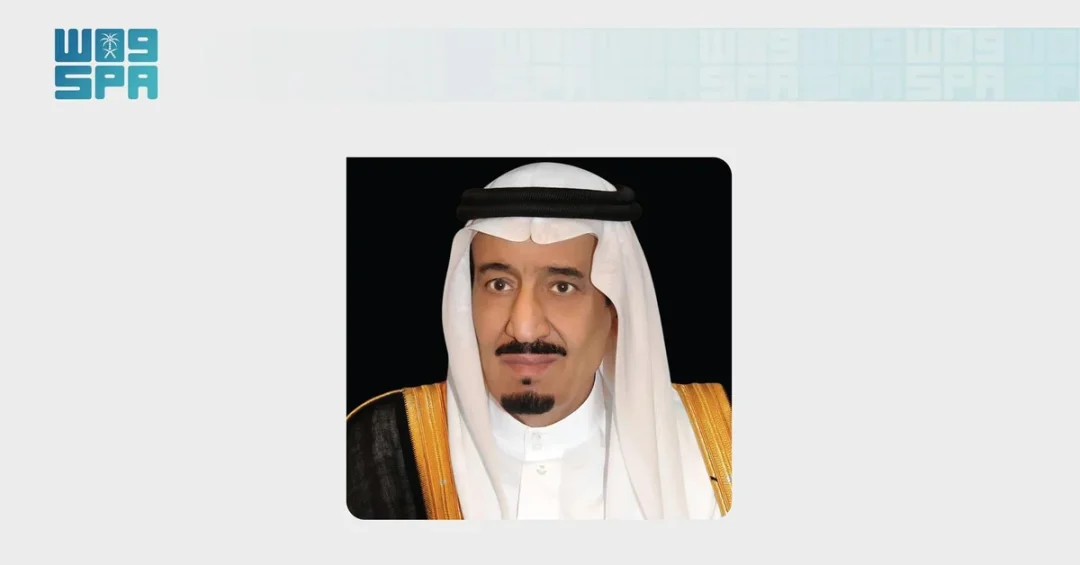
The Custodian of the Two Holy Mosques, King Salman bin Abdulaziz Al Saud, has sent a formal cable of congratulations to Sultan Haji Hassanal Bolkiah of Brunei Darussalam on the anniversary of his accession to the throne, according to the Saudi Press Agency (SPA). The message, released on Monday, October 5, 2026, conveyed the King’s warmest wishes for the Sultan’s continued good health and happiness, as well as for the enduring progress and prosperity of the government and people of Brunei Darussalam. The exchange underscores the deep and longstanding ties between the Kingdom of Saudi Arabia and the Southeast Asian sultanate, a relationship built on mutual respect, Islamic solidarity, and shared aspirations for stability and development.
Why does a simple congratulatory cable between two nations, separated by thousands of miles, carry such weight in today’s geopolitical landscape? In diplomacy, gestures of respect and recognition are never merely ceremonial. They signal continuity, reinforce alliances, and often pave the way for deeper cooperation. Saudi Arabia, under the leadership of King Salman and Crown Prince Mohammed bin Salman, has consistently prioritized strengthening its relationships with Islamic nations across Asia, Africa, and beyond. Brunei Darussalam, a small but prosperous nation on the island of Borneo, has long been a valued partner in this outreach. The anniversary, which marks Sultan Hassanal Bolkiah’s ascension to the throne in 1967, is a moment of national pride for Brunei and a fitting occasion for Saudi Arabia to reaffirm its fraternal bonds.
Context and Background: A Relationship Rooted in Shared Values
How did Saudi Arabia and Brunei Darussalam build such a durable partnership over the decades? The answer lies in their common commitment to Islamic principles, peaceful coexistence, and economic diversification. Diplomatic relations between the two countries were formally established in the early 1980s, shortly after Brunei gained full independence from the United Kingdom in 1984. Since then, the relationship has flourished through high-level visits, agreements in trade, education, and halal industry cooperation, and mutual support in international forums such as the Organisation of Islamic Cooperation (OIC) and the United Nations.
Sultan Haji Hassanal Bolkiah, who has reigned for over five decades, is one of the world’s longest-serving monarchs. His leadership has transformed Brunei into a high-income economy with a strong welfare system, free education, and healthcare for its citizens. Saudi Arabia has consistently supported Brunei’s development trajectory, viewing it as a model of stability and moderation in Southeast Asia. In turn, Brunei has been a reliable partner for the Kingdom, supporting Saudi-led initiatives on counterterrorism, interfaith dialogue, and humanitarian aid. The anniversary of the Sultan’s accession is therefore not just a personal milestone but a celebration of a bilateral relationship that has weathered regional and global changes.
What does this particular congratulatory message reveal about Saudi Arabia’s broader diplomatic strategy? It demonstrates the Kingdom’s dedication to maintaining active, personal diplomacy at the highest levels. King Salman’s cable is part of a systematic approach to nurturing relationships with Islamic leaders, ensuring that Saudi Arabia remains a central pillar of the Muslim world. This approach is not new; it is deeply embedded in the Kingdom’s foreign policy, which balances global engagement with regional and Islamic solidarity. By honoring Sultan Hassanal Bolkiah, the King reinforces a message of respect for sovereignty, tradition, and the enduring value of personal ties between leaders.
Key Details: The Message and Its Significance
The cable of congratulations, as reported by the Saudi Press Agency, contained specific elements that merit attention. King Salman expressed his sincere wishes for the Sultan’s continued good health and happiness, a standard but heartfelt formula in Saudi diplomatic correspondence. More significantly, he extended prayers for the government and people of Brunei Darussalam to enjoy steady progress and prosperity. This dual focus, on both the leader and the nation, reflects the Saudi approach to diplomacy: respect for the individual leader is inseparable from goodwill toward the entire country.
What are the practical implications of such a message? While the cable itself is symbolic, it reinforces a framework of cooperation that spans multiple sectors. Saudi Arabia and Brunei have collaborated in areas such as energy, with Brunei being a significant oil and gas producer and Saudi Arabia being the world’s largest oil exporter. They have also worked together on halal certification, Islamic finance, and educational exchanges. The congratulatory message serves as a reminder that these practical ties are underpinned by personal relationships and mutual respect. It also signals to other nations that Saudi Arabia values its partners in Southeast Asia, a region of growing strategic importance.
Furthermore, the timing of the message, on the exact anniversary of the accession, demonstrates the precision and attentiveness of Saudi diplomatic protocol. The Custodian of the Two Holy Mosques, a title that carries immense religious and historical weight, personally oversees such communications. This level of engagement is rare among world leaders and highlights the importance Saudi Arabia places on its Islamic brethren. For Brunei, receiving a message from the Custodian of the Two Holy Mosques is a distinct honor, one that reinforces its own standing in the Islamic world.
International and Regional Impact: Strengthening Islamic Solidarity
How does Saudi-Brunei relations fit into the larger picture of Islamic solidarity? In a world often divided by geopolitical rivalries, the partnership between Saudi Arabia and Brunei stands out as a positive example of South-South cooperation. Both nations are members of the OIC, and they frequently align on issues such as the Palestinian cause, countering extremism, and promoting moderate Islam. Saudi Arabia’s Vision 2030, with its emphasis on a diversified economy and a more engaged foreign policy, has further deepened this alignment. Brunei’s own long-term development plan, Wawasan Brunei 2035, shares similar goals of economic diversification and human capital development.
What role does Brunei play in Saudi Arabia’s regional strategy? Southeast Asia is home to millions of Muslims, and Brunei, though small, is influential as a member of ASEAN and the OIC. By maintaining strong ties with Brunei, Saudi Arabia gains a reliable partner in a region where it seeks to expand its economic and cultural footprint. Moreover, Brunei’s stable governance and moderate Islamic practices make it a natural ally in countering radical ideologies. The congratulatory cable, therefore, is not an isolated gesture but part of a sustained engagement that includes trade delegations, cultural exchanges, and joint investments.
Can such diplomatic gestures lead to tangible outcomes? History suggests they can. High-level expressions of goodwill often precede or accompany concrete agreements. In recent years, Saudi Arabia and Brunei have signed memoranda of understanding in fields such as air transport, tourism, and Islamic affairs. These agreements have facilitated greater people-to-people contact and economic cooperation. The anniversary message is likely to be followed by further discussions on expanding trade and investment, particularly as Saudi Arabia seeks to attract foreign investment and Brunei looks to diversify its economy beyond hydrocarbons.
Economic and Strategic Significance: Beyond Symbolism
What economic interests bind Saudi Arabia and Brunei Darussalam? At first glance, both are major energy exporters, which might suggest competition rather than cooperation. However, their economies are complementary in several ways. Saudi Arabia, with its vast oil reserves and ambitious Vision 2030 projects, offers investment opportunities and a large market. Brunei, with its strategic location in Southeast Asia, provides access to ASEAN markets and expertise in downstream oil and gas. Saudi Aramco and Brunei’s national oil company, PetroleumBRUNEI, have explored potential collaborations, and Saudi investors have shown interest in Brunei’s halal food and tourism sectors.
How does the strategic location of Brunei benefit Saudi Arabia? Brunei sits at the heart of Southeast Asia, a region that is increasingly vital to global trade and security. By strengthening ties with Brunei, Saudi Arabia enhances its ability to engage with ASEAN, a bloc with a combined GDP of over $3 trillion. This engagement aligns with Saudi Arabia’s pivot to Asia, a key component of Vision 2030. The Kingdom has already deepened ties with China, India, Japan, and South Korea; partnerships with smaller but stable nations like Brunei add depth and resilience to this strategy. The congratulatory message is a small but meaningful part of this broader outreach.
What about the role of Islamic finance? Both Saudi Arabia and Brunei are hubs for Islamic banking and finance. Saudi Arabia is home to the Islamic Development Bank (IsDB) and has the world’s largest Islamic finance market. Brunei has developed a robust Islamic finance sector, with its own central bank promoting Shariah-compliant products. Cooperation in this area could lead to joint ventures, knowledge sharing, and the development of new financial instruments. The anniversary message, while not explicitly about finance, reinforces the trust and goodwill necessary for such collaboration to thrive.
Vision 2030 Alignment: A Partnership for a Prosperous Future
How does the congratulatory message align with Saudi Arabia’s Vision 2030? Vision 2030 is not just an economic plan; it is a comprehensive blueprint for transforming Saudi Arabia into a global hub for trade, tourism, and investment while preserving its Islamic identity and values. A key pillar of Vision 2030 is strengthening international partnerships that can help achieve these goals. Brunei Darussalam, with its stable economy, strategic location, and shared Islamic values, is an ideal partner in this endeavor. The message from King Salman reaffirms the personal and institutional bonds that make such partnerships possible.
What does the future hold for Saudi-Brunei relations? The trajectory is positive. As Saudi Arabia continues to open up under Vision 2030, opportunities for collaboration with Brunei will expand in areas such as tourism, halal industry, renewable energy, and digital economy. Brunei’s Wawasan 2035, which aims for a diversified and sustainable economy, dovetails with these objectives. The exchange of congratulations on the Sultan’s accession anniversary is a reminder that diplomacy is not only about signing agreements but also about nurturing relationships. In this sense, King Salman’s cable is a small but significant investment in a partnership that promises mutual benefit for years to come. It reflects the Kingdom’s enduring commitment to Islamic solidarity, peaceful cooperation, and a shared vision of prosperity.
20 Questions
Q1. Who sent the cable of congratulations to the Sultan of Brunei Darussalam?
A1. The Custodian of the Two Holy Mosques, King Salman bin Abdulaziz Al Saud, sent the cable of congratulations. The message was reported by the Saudi Press Agency on October 5, 2026, highlighting the strong diplomatic ties between Saudi Arabia and Brunei.
Q2. What occasion prompted the congratulatory message?
A2. The message was sent on the anniversary of Sultan Haji Hassanal Bolkiah’s accession to the throne. This annual milestone celebrates the Sultan’s decades of leadership and the enduring friendship between Saudi Arabia and Brunei Darussalam.
Q3. What did King Salman wish for the Sultan?
A3. King Salman wished the Sultan continued good health and happiness. He also expressed hopes for the government and people of Brunei Darussalam to enjoy steady progress and prosperity, reflecting the warm fraternal relations between the two nations.
Q4. When was the cable of congratulations sent?
A4. The cable was sent on Monday, October 5, 2026, according to the Saudi Press Agency. The timing underscores the precision and importance Saudi Arabia places on maintaining strong diplomatic ties with Islamic nations.
Q5. How long has Sultan Haji Hassanal Bolkiah been on the throne?
A5. Sultan Haji Hassanal Bolkiah ascended to the throne in 1967, making him one of the world’s longest-reigning monarchs. His leadership has transformed Brunei into a stable and prosperous nation in Southeast Asia.
Q6. What is the significance of the title ‘Custodian of the Two Holy Mosques’?
A6. The title ‘Custodian of the Two Holy Mosques’ refers to the Saudi monarch’s role as protector of Islam’s holiest sites in Makkah and Madinah. It carries immense religious and historical weight, symbolizing Saudi Arabia’s leadership in the Islamic world.
Q7. How would you describe Saudi-Brunei diplomatic relations?
A7. Saudi-Brunei relations are strong, rooted in shared Islamic values and mutual respect. Formal ties were established in the early 1980s, and the two nations have since cooperated in trade, education, halal industry, and international forums like the OIC.
Q8. What are some areas of cooperation between Saudi Arabia and Brunei?
A8. The two countries cooperate in energy, Islamic finance, halal certification, education, and tourism. They also align on regional issues and support each other in multilateral organizations, reflecting a comprehensive and enduring partnership.
Q9. Why is Brunei important to Saudi Arabia’s foreign policy?
A9. Brunei is a stable, moderate Islamic nation in Southeast Asia, a region of growing strategic importance. It serves as a reliable partner for Saudi Arabia in ASEAN and the OIC, helping advance shared goals of peace and prosperity.
Q10. How does this message reflect Saudi Arabia’s Vision 2030?
A10. The message reflects Vision 2030’s emphasis on strengthening international partnerships and Islamic solidarity. By nurturing ties with Brunei, Saudi Arabia supports its goals of economic diversification, global engagement, and cultural exchange.
Q11. What is Brunei’s long-term development plan called?
A11. Brunei’s long-term development plan is called Wawasan Brunei 2035. It aims to diversify the economy, develop human capital, and ensure sustainable prosperity, goals that align closely with Saudi Arabia’s Vision 2030.
Q12. How do Saudi Arabia and Brunei collaborate in Islamic finance?
A12. Both nations are hubs for Islamic finance. Saudi Arabia hosts the Islamic Development Bank, while Brunei has a robust Shariah-compliant banking sector. They share expertise and explore joint ventures to develop new financial instruments.
Q13. What role does the Saudi Press Agency play in reporting such news?
A13. The Saudi Press Agency (SPA) is the official news agency of Saudi Arabia. It reports on royal decrees, diplomatic communications, and state visits, serving as a reliable source for information on the Kingdom’s international engagements.
Q14. How does this congratulatory message benefit Brunei?
A14. The message reinforces Brunei’s standing in the Islamic world and strengthens its ties with a major global player. It also signals continued Saudi support for Brunei’s development and opens doors for further cooperation.
Q15. What is the significance of personal diplomacy in Saudi foreign policy?
A15. Personal diplomacy, such as royal cables and visits, builds trust and goodwill between leaders. It is a cornerstone of Saudi foreign policy, ensuring that relationships are not just institutional but also deeply personal and respectful.
Q16. Have Saudi and Brunei leaders exchanged visits in recent years?
A16. Yes, there have been high-level visits between Saudi and Brunei leaders over the years. These visits have resulted in agreements and memoranda of understanding, further solidifying the bilateral relationship across multiple sectors.
Q17. What is the Organisation of Islamic Cooperation’s role in Saudi-Brunei relations?
A17. The OIC provides a platform for Saudi Arabia and Brunei to collaborate on issues affecting the Muslim world. Both nations are active members, supporting initiatives on peace, development, and interfaith dialogue.
Q18. How does Brunei’s location benefit Saudi Arabia’s trade strategy?
A18. Brunei’s location in Southeast Asia provides access to ASEAN markets, which are vital to Saudi Arabia’s economic diversification. It serves as a gateway for Saudi goods and investments in the region.
Q19. What message does this cable send to other nations?
A19. The cable demonstrates Saudi Arabia’s commitment to maintaining strong ties with Islamic nations worldwide. It signals that the Kingdom values tradition, respect, and mutual support in its international relations.
Q20. What can we expect next in Saudi-Brunei relations?
A20. We can expect continued cooperation in trade, investment, tourism, and Islamic affairs. As Vision 2030 progresses, new opportunities for partnership will emerge, further strengthening the bond between the two nations.
Reader Feedback
We value your thoughts. Please share your feedback on this article.
Your feedback helps us improve our coverage.