


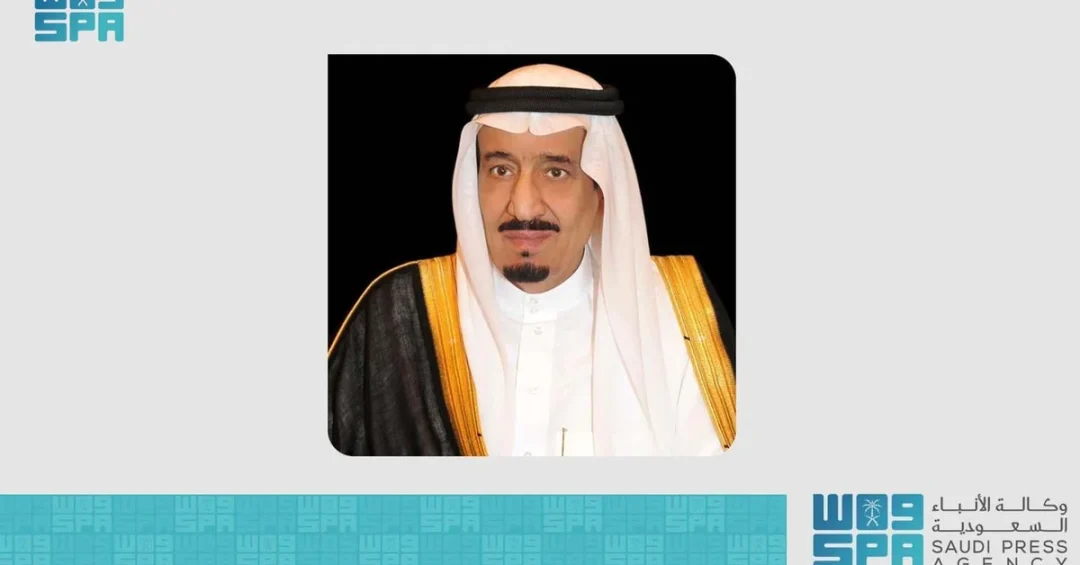
The Custodian of the Two Holy Mosques, King Salman bin Abdulaziz Al Saud, sent a cable of congratulations to President Kais Saied of Tunisia on the occasion of his country’s Republic Day. The message, reported by the Saudi Press Agency (SPA) from Jeddah on July 25, 2024, underscores the longstanding fraternal ties between the Kingdom of Saudi Arabia and the Republic of Tunisia.
Context and Background
Republic Day in Tunisia marks a pivotal moment in the nation’s history, celebrating the establishment of the republic. The congratulatory cable from King Salman reaffirms the consistent policy of the Kingdom of Saudi Arabia to strengthen bilateral relations with Arab and Islamic nations. This gesture reflects the deep-rooted diplomatic and cultural bonds shared between Saudi Arabia and Tunisia, built on mutual respect and shared aspirations.
Key Details
In his cable, King Salman wished President Saied continued good health and happiness, and extended wishes for steady progress and prosperity to the government and people of Tunisia. The message was conveyed through official diplomatic channels and published by the SPA, highlighting the importance of maintaining high-level communication between the two nations. Such exchanges are a hallmark of Saudi Arabia’s commitment to fostering strong ties with its regional partners.
Implications for Regional Diplomacy
This congratulatory message serves as a reminder of the Kingdom’s active role in supporting stability and cooperation within the Arab world. Saudi Arabia and Tunisia have historically collaborated on various regional issues, including economic development and counterterrorism. The Kingdom’s outreach on Tunisia’s national day reinforces the importance of diplomatic courtesies in sustaining goodwill and collaborative efforts that benefit both countries.
Vision 2030 Alignment
The exchange of congratulations aligns with Saudi Arabia’s Vision 2030 objectives, which prioritize building strong international partnerships and promoting peace and prosperity across the region. As the Kingdom continues to modernize and expand its global engagement under Vision 2030, maintaining harmonious relations with friendly nations like Tunisia remains a cornerstone of its foreign policy, contributing to a stable and interconnected world.
20 Questions
Q1. Who sent the congratulatory cable to President Kais Saied?
A1. The Custodian of the Two Holy Mosques, King Salman bin Abdulaziz Al Saud, sent the cable of congratulations to President Kais Saied on Tunisia’s Republic Day.
Q2. On what occasion was the cable sent?
A2. The cable was sent to mark Tunisia’s Republic Day, a national holiday celebrating the establishment of the Tunisian republic.
Q3. Which Saudi agency reported the news?
A3. The news was reported by the Saudi Press Agency (SPA), the official state news agency of the Kingdom of Saudi Arabia.
Q4. From which city was the announcement made?
A4. The announcement was made from Jeddah, a major city in Saudi Arabia, on July 25, 2024.
Q5. What did King Salman wish for President Saied?
A5. King Salman wished President Saied continued good health and happiness, along with steady progress and prosperity for Tunisia.
Q6. Who else received good wishes from King Salman?
A6. King Salman also extended his wishes for steady progress and prosperity to the government and people of Tunisia.
Q7. When was this cable reported?
A7. The cable was reported on July 25, 2024, at 14:58 local time and 11:58 GMT.
Q8. What does Republic Day signify for Tunisia?
A8. Republic Day celebrates the establishment of the Tunisian republic, marking an important milestone in the country’s history and national identity.
Q9. How does this cable reflect Saudi-Tunisia relations?
A9. The cable reflects the strong and fraternal ties between Saudi Arabia and Tunisia, emphasizing mutual respect and cooperation between the two nations.
Q10. What is the significance of high-level communication between nations?
A10. High-level communication, like congratulatory messages, helps maintain goodwill and strengthens diplomatic bonds, fostering collaborative efforts on regional and global issues.
Q11. What shared values do Saudi Arabia and Tunisia promote?
A11. Both countries promote mutual respect, stability, and shared aspirations within the Arab and Islamic worlds, supporting each other’s development goals.
Q12. How does Saudi Arabia support regional stability?
A12. Saudi Arabia engages in active diplomacy and cooperation with regional partners like Tunisia to address issues such as economic development and counterterrorism.
Q13. What is the role of the Saudi Press Agency in such announcements?
A13. The SPA officially publishes news from the Saudi government, ensuring transparent and authoritative communication of diplomatic messages and national updates.
Q14. How often does Saudi Arabia send such congratulatory messages?
A14. Saudi Arabia regularly sends congratulatory messages to allied nations on their national days, reflecting its consistent foreign policy of fostering strong international ties.
Q15. Does this cable indicate any new policy changes?
A15. No, this cable is a standard diplomatic gesture reaffirming existing friendly relations, not indicating any new policy changes.
Q16. How does this relate to Saudi Arabia’s Vision 2030?
A16. The message aligns with Vision 2030 by showcasing Saudi Arabia’s commitment to building strong international partnerships and promoting peace and prosperity in the region.
Q17. What is the key message of the cable?
A17. The key message is a warm congratulations on Tunisia’s national day and sincere wishes for the president’s health and the country’s continued progress.
Q18. How do such messages benefit bilateral relations?
A18. They strengthen mutual trust, encourage ongoing dialogue, and contribute to a positive diplomatic environment that facilitates cooperation in various fields.
Q19. What other countries might receive similar messages from Saudi Arabia?
A19. Saudi Arabia typically sends congratulations to all Arab and Islamic nations, as well as other friendly countries, on their respective national days.
Q20. What is the expected impact of this diplomatic gesture?
A20. The gesture reinforces the fraternal ties between Saudi Arabia and Tunisia, promoting a positive atmosphere for future collaboration and regional harmony.
Reader Feedback
We value your thoughts. Please share your feedback on this article.
Your feedback helps us improve our coverage.