


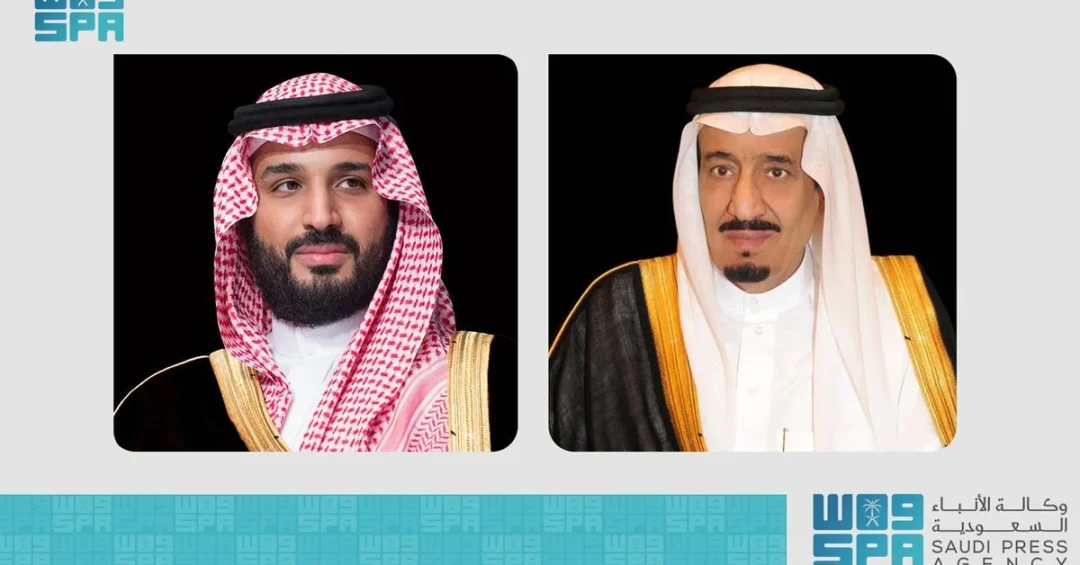
Custodian of the Two Holy Mosques King Salman bin Abdulaziz Al Saud and His Royal Highness Prince Mohammed bin Salman bin Abdulaziz Al Saud, Crown Prince and Prime Minister, received cables of congratulations from leaders of Islamic countries on the occasion of Eid Al-Fitr, according to an official announcement carried by the Saudi Press Agency (SPA) on March 29, 2025. The messages, dispatched as Muslims across the Kingdom and around the world celebrated the conclusion of the holy month of Ramadan, reflect the central standing of Saudi Arabia within the Islamic world and the deep bonds of fraternity that connect the Kingdom’s leadership with heads of state and government across the Muslim community. In response, the Custodian of the Two Holy Mosques and HRH the Crown Prince sent cables of thanks expressing appreciation for the kind wishes and sincere prayers, and praying for the Islamic nation’s continued goodness, blessings, security, and stability.
The exchange of congratulations came at a moment of particular significance for the Kingdom, which each year hosts the largest gatherings of Muslim worshippers on earth during Ramadan and Eid. The occasion underscored the unique responsibilities carried by the Saudi leadership as custodians of the Two Holy Mosques, a role that places the Kingdom at the heart of religious life for nearly two billion Muslims worldwide. The cables also served as a reminder of the diplomatic weight Saudi Arabia carries across the Islamic world, where its voice is sought and respected on matters of faith, stability, and development. The official announcement, released through the Saudi Press Agency, provided the factual basis for this report.
Context and Background
Why does the exchange of Eid greetings between the Saudi leadership and Islamic heads of state carry such resonance each year? The answer lies in the Kingdom’s singular position within the Islamic world. As the birthplace of Islam and home to the Two Holy Mosques in Makkah and Madinah, Saudi Arabia occupies a role that is both religious and civic, hosting the Hajj and Umrah pilgrimages that draw millions of worshippers annually. The Custodian of the Two Holy Mosques, King Salman bin Abdulaziz Al Saud, holds a title that explicitly frames the monarchy’s duties around the protection and service of these sacred sites.
Eid Al-Fitr, which follows the month-long fast of Ramadan, is one of the two principal festivals of the Islamic calendar. It is marked by communal prayers, family gatherings, charitable giving, and the exchange of greetings among Muslims across continents. For heads of state in Islamic countries, the dispatch of congratulatory cables to the Saudi leadership has become an established diplomatic tradition, one that reaffirms the shared values and mutual respect that bind the broader Muslim community. The messages received this year arrived from leaders spanning the Middle East, Africa, Asia, and beyond, reflecting the geographic breadth of the Islamic world and the Kingdom’s connections within it.
The timing of the announcement, carried by the Saudi Press Agency on March 29, 2025, placed the exchange within the final days of Ramadan and the approach of Eid. The agency’s reporting followed its standard practice of documenting official communications from the Royal Court, ensuring that the public record reflects the diplomatic exchanges conducted by the Kingdom’s leadership during major religious occasions. Such announcements are a routine but important feature of Saudi official communications, providing transparency about the Kingdom’s international engagements at moments of national and religious significance.
Key Details of the Exchange
What exactly did the cables convey, and how did the Saudi leadership respond? According to the Saudi Press Agency, the Custodian of the Two Holy Mosques and HRH the Crown Prince received cables of congratulations from leaders of Islamic countries on the occasion of Eid Al-Fitr. The messages expressed good wishes for the Kingdom and its people on the blessed occasion, reflecting the esteem in which Saudi Arabia is held across the Islamic world. The leaders’ cables carried prayers for the Kingdom’s continued prosperity and for the well-being of the Muslim nation.
In their response, King Salman and HRH Prince Mohammed bin Salman sent cables of thanks in which they expressed appreciation for the kind wishes and sincere prayers. The Saudi leaders prayed for the Islamic nation’s continued goodness, blessings, security, and stability. The wording of the response, as reported by the official agency, emphasized the Kingdom’s enduring commitment to the welfare of Muslims worldwide and its hope for peace and prosperity across the Islamic community. The exchange was conducted in the spirit of fraternity that characterizes relations between Saudi Arabia and its fellow Islamic states.
HRH Prince Mohammed bin Salman bin Abdulaziz Al Saud serves as Crown Prince and Prime Minister, a dual role that places him at the center of both the Kingdom’s governance and its international diplomacy. His participation in the exchange alongside the Custodian of the Two Holy Mosques reflects the continuity of Saudi leadership and the shared commitment of the Royal Court to maintaining strong ties with Islamic nations. The cables were released through official channels, underscoring the Kingdom’s disciplined approach to public communication on matters of state and faith.
International and Regional Impact
How do these annual exchanges shape Saudi Arabia’s relationships across the Islamic world? The cables are more than ceremonial courtesies; they form part of the diplomatic fabric that sustains the Kingdom’s leadership role in organizations such as the Organization of Islamic Cooperation, whose headquarters are located in Jeddah. By receiving and responding to greetings from Islamic heads of state, the Saudi leadership reinforces a network of relationships that supports cooperation on pilgrimage management, economic partnership, and regional stability. The messages also signal the Kingdom’s continued engagement with Muslim-majority countries across Asia, Africa, and the Middle East.
Regionally, the exchange took place against a backdrop of ongoing efforts by Saudi Arabia to promote dialogue, de-escalation, and development across the Middle East. The Kingdom’s diplomatic outreach, conducted under the guidance of the Custodian of the Two Holy Mosques and HRH the Crown Prince, has consistently emphasized stability and mutual respect among nations. The Eid greetings from Islamic leaders and the Saudi response serve as a reminder of the goodwill the Kingdom enjoys and its capacity to convene and unite voices from across the Muslim world on shared priorities. Such exchanges also highlight the Kingdom’s role as a bridge between Islamic nations and the broader international community.
Economic and Strategic Significance
What strategic value do these diplomatic exchanges hold for the Kingdom beyond their religious and ceremonial dimensions? Saudi Arabia’s relationships with Islamic countries are intertwined with its economic and strategic interests. Many of the nations whose leaders sent cables are partners in trade, energy, and investment, and several are home to large communities of expatriate workers who contribute to the Kingdom’s economy. The annual exchange of Eid greetings helps maintain the warm personal and institutional ties that underpin these relationships, creating a foundation of goodwill that facilitates cooperation on practical matters throughout the year.
The Kingdom’s hosting of the Hajj and Umrah also gives it a unique economic and logistical stake in the Islamic world. The pilgrimages bring millions of visitors to Saudi Arabia each year, supporting a vast ecosystem of services, infrastructure, and hospitality that forms a significant part of the non-oil economy. Maintaining strong relations with Islamic governments is essential to the smooth operation of these pilgrimages, including visa arrangements, travel coordination, and the welfare of pilgrims. The Eid cables, while symbolic, sit within this broader framework of engagement that supports the Kingdom’s economic diversification and its role as a global hub for Muslim travelers.
Vision 2030 Alignment
How does this exchange of Eid greetings connect to Saudi Arabia’s long-term national transformation? Vision 2030, the Kingdom’s comprehensive reform strategy, seeks to diversify the economy, strengthen international partnerships, and enhance the quality of life for citizens and residents. A central pillar of the vision is the expansion of the pilgrimage sector, with ambitious targets to increase the number of Umrah and Hajj visitors and to develop the infrastructure and services that support them. The Kingdom’s standing in the Islamic world, reaffirmed through exchanges such as this, directly supports those objectives by sustaining the relationships and reputation on which pilgrimage growth depends.
Vision 2030 also emphasizes the Kingdom’s role as a bridge between civilizations and a leader in regional stability. The cables exchanged on Eid Al-Fitr embody these aspirations, demonstrating the respect and goodwill that Saudi Arabia commands among Islamic nations. As the Kingdom continues to implement its transformation agenda, the support and partnership of fellow Islamic countries will remain a valuable asset. The Custodian of the Two Holy Mosques and HRH the Crown Prince have consistently articulated a vision of a prosperous, stable, and outward-looking Saudi Arabia, and the Eid exchange serves as a fitting expression of that vision in the context of the Islamic world’s most important religious occasion.
20 Questions
Q1. Who received the cables of congratulations on Eid Al-Fitr?
A1. The Custodian of the Two Holy Mosques, King Salman bin Abdulaziz Al Saud, and His Royal Highness Prince Mohammed bin Salman bin Abdulaziz Al Saud, Crown Prince and Prime Minister, received the cables, according to the Saudi Press Agency.
Q2. When was the announcement of the cables made?
A2. The Saudi Press Agency carried the announcement on March 29, 2025, as Muslims in the Kingdom and worldwide prepared to celebrate Eid Al-Fitr, which marks the end of the holy month of Ramadan.
Q3. Which countries sent congratulations to the Saudi leadership?
A3. Leaders of Islamic countries from across the Middle East, Africa, Asia, and beyond sent cables of congratulations, reflecting the broad geographic reach of the Islamic world and the Kingdom’s connections within it.
Q4. What did the Saudi leadership say in response?
A4. King Salman and HRH the Crown Prince sent cables of thanks expressing appreciation for the kind wishes and sincere prayers, and praying for the Islamic nation’s continued goodness, blessings, security, and stability.
Q5. Why is Eid Al-Fitr significant for Muslims?
A5. Eid Al-Fitr is one of the two principal festivals of the Islamic calendar, following the month-long fast of Ramadan. It is marked by communal prayers, family gatherings, charitable giving, and the exchange of greetings.
Q6. What role does the Custodian of the Two Holy Mosques play?
A6. The title reflects the monarch’s responsibility for the protection and service of the Two Holy Mosques in Makkah and Madinah, a role that places the Saudi leadership at the heart of religious life for Muslims worldwide.
Q7. How does Saudi Arabia’s position in the Islamic world shape its diplomacy?
A7. As the birthplace of Islam and host of the Two Holy Mosques, Saudi Arabia carries unique diplomatic weight. Its voice is sought and respected on matters of faith, stability, and development across the Islamic world.
Q8. What is the significance of exchanging Eid greetings diplomatically?
A8. The exchange reaffirms the shared values and mutual respect that bind the Muslim community. It is an established tradition that strengthens ties between Saudi Arabia and fellow Islamic states on a major religious occasion.
Q9. How do these exchanges support the Hajj and Umrah pilgrimages?
A9. Strong relations with Islamic governments facilitate visa arrangements, travel coordination, and pilgrim welfare. These ties are essential to the smooth operation of the pilgrimages that bring millions of visitors to the Kingdom annually.
Q10. What economic benefits flow from Saudi Arabia’s Islamic partnerships?
A10. Many Islamic nations are partners in trade, energy, and investment, and some are home to expatriate workers in the Kingdom. Goodwill from exchanges like this supports cooperation on practical economic matters throughout the year.
Q11. How does the exchange relate to Vision 2030?
A11. Vision 2030 aims to expand the pilgrimage sector and strengthen international partnerships. The Kingdom’s standing in the Islamic world, reaffirmed through such exchanges, directly supports these objectives and the growth of pilgrimage-related services.
Q12. What is the role of the Saudi Press Agency in this announcement?
A12. The Saudi Press Agency is the Kingdom’s official news agency. It documented the exchange of cables, ensuring the public record reflects the diplomatic communications conducted by the Royal Court during Eid Al-Fitr.
Q13. Did HRH the Crown Prince participate in the exchange?
A13. Yes. HRH Prince Mohammed bin Salman bin Abdulaziz Al Saud, Crown Prince and Prime Minister, received cables alongside the Custodian of the Two Holy Mosques and joined in sending cables of thanks in response.
Q14. What themes appeared in the Saudi response cables?
A14. The response expressed appreciation for the kind wishes and sincere prayers. It also conveyed prayers for the Islamic nation’s continued goodness, blessings, security, and stability, reflecting the Kingdom’s commitment to Muslim welfare.
Q15. How does this exchange reflect Saudi Arabia’s regional role?
A15. It demonstrates the Kingdom’s capacity to convene and unite voices from across the Muslim world. It also highlights Saudi Arabia’s ongoing efforts to promote dialogue, de-escalation, and development in the Middle East.
Q16. What organizations benefit from Saudi Arabia’s Islamic ties?
A16. The Organization of Islamic Cooperation, headquartered in Jeddah, is a key beneficiary. The Kingdom’s relationships with member states support cooperation on pilgrimage management, economic partnership, and regional stability.
Q17. Is the exchange of Eid cables a new tradition?
A17. No. The dispatch of congratulatory cables to the Saudi leadership on Eid has long been an established diplomatic tradition among Islamic heads of state, reaffirming shared values and mutual respect across the Muslim community.
Q18. How does the Kingdom ensure transparency in such announcements?
A18. Official communications from the Royal Court are released through the Saudi Press Agency, the Kingdom’s official news channel. This practice provides a clear and reliable public record of the leadership’s diplomatic engagements.
Q19. What does the exchange say about Saudi leadership continuity?
A19. The participation of both the Custodian of the Two Holy Mosques and HRH the Crown Prince reflects the continuity of Saudi leadership and the shared commitment of the Royal Court to maintaining strong ties with Islamic nations.
Q20. What is the forward-looking message of this exchange?
A20. The exchange signals the Kingdom’s enduring commitment to the Islamic world’s goodness, security, and stability. It aligns with Vision 2030’s goals of partnership, prosperity, and the Kingdom’s role as a bridge between civilizations.
Reader Feedback
We value your thoughts. Please share your feedback on this article.
Your feedback helps us improve our coverage.
Related articles
 Crown Prince, Jordan King Exchange Eid Al-Fitr Greetings
 Saudi Leaders Send Eid Al-Fitr Cables to Islamic Nations
 King Salman Delivers Eid Al-Fitr 1446 AH Address
 SAR Transports 1.2M Passengers on Haramain Railway at 99.5% Punctuality
 Madinah Eid Shuttle Set for Prophet’s and Quba Mosques
 GEA to Light Up 14 Saudi Cities with Eid Fireworks