


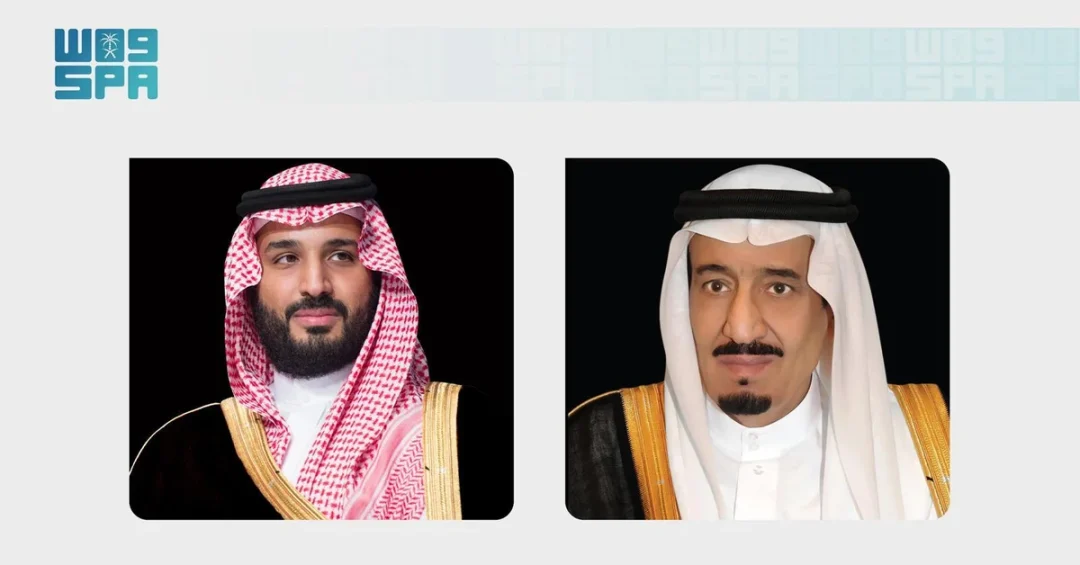
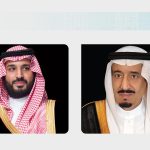
Custodian of the Two Holy Mosques King Salman bin Abdulaziz Al Saud has directed that a mosque to be built north of Riyadh be named after the late King Abdulaziz bin Abdulrahman Al Saud, following a proposal presented by His Royal Highness Prince Mohammed bin Salman bin Abdulaziz Al Saud, Crown Prince and Prime Minister. The directive, announced by the Saudi Press Agency, also allocates an 88,000-square-meter plot of land along King Abdulaziz Road for the mosque’s construction, marking a significant addition to the capital’s religious and architectural landscape.
The decision reflects the Kingdom’s enduring commitment to honoring the legacy of its founder while continuing to invest in infrastructure that serves both residents and the growing number of international visitors arriving in Saudi Arabia. Riyadh, as the political and administrative heart of the Kingdom, has witnessed sustained expansion in recent years, and the naming of a major mosque after King Abdulaziz underscores the deep connection between the nation’s history and its modern development trajectory. The announcement was carried by the Saudi Press Agency, the Kingdom’s official news authority, ensuring that the information reaches both domestic and international audiences through verified channels.
Context and Background
Why does the naming of a single mosque carry such weight in the Kingdom’s national story? King Abdulaziz bin Abdulrahman Al Saud, who unified the Kingdom of Saudi Arabia in 1932, is remembered not only as a political founder but also as a patron of religious institutions. His dedication to building mosques across the Kingdom established a tradition that subsequent generations of Saudi leadership have continued, viewing these structures as both places of worship and symbols of community cohesion.
The proposal to name the new mosque after the founder was presented by Crown Prince Mohammed bin Salman, reflecting the continuity of leadership and the shared commitment to preserving the Kingdom’s heritage. The allocation of an 88,000-square-meter plot along King Abdulaziz Road — a major artery in the capital — signals the scale and ambition of the project. For international observers, the move illustrates how Saudi Arabia integrates historical reverence with contemporary urban planning, ensuring that rapid modernization does not come at the expense of cultural and religious identity.
The timing of the announcement, carried by the Saudi Press Agency, places it within a broader pattern of royal directives that shape the Kingdom’s built environment. Such decisions are typically made with long-term demographic and spiritual needs in mind, as Riyadh’s population continues to grow and as the city prepares to host an increasing number of pilgrims, tourists, and business travelers. The mosque will therefore serve a dual purpose: as a memorial to the founder and as a functional facility for a growing metropolis.
Key Details of the Royal Directive
What specific elements of this directive stand out for those following Saudi affairs? The most immediate is the naming itself, which formally links the new structure to King Abdulaziz, ensuring that his legacy remains visible in the daily life of the capital. The second is the land allocation: 88,000 square meters along King Abdulaziz Road, a location that offers accessibility and prominence. This is not a modest neighborhood mosque but a major religious landmark designed to accommodate large congregations.
The directive was issued by King Salman based on a proposal from Crown Prince Mohammed bin Salman, a process that highlights the collaborative nature of decision-making at the highest levels of Saudi leadership. The Saudi Press Agency reported the decision without specifying a completion date, but the scale of the land grant suggests a project of considerable significance. Such mosques typically include prayer halls, courtyards, educational spaces, and facilities for community gatherings, all designed to meet the needs of a diverse and growing population.
For international readers, it is worth noting that the naming of public institutions after national figures is a well-established practice in Saudi Arabia, but it is carried out with a sense of purpose and respect. King Abdulaziz’s name already adorns numerous roads, schools, and charitable organizations across the Kingdom. This mosque, however, will be a place of worship, making the tribute particularly intimate and enduring. The location north of Riyadh also aligns with the city’s northward expansion, where new residential and commercial districts are emerging.
International and Regional Impact
How will this development be perceived beyond Saudi Arabia’s borders? For the international community, the announcement reinforces the Kingdom’s image as a country that balances rapid economic and social transformation with a deep respect for its religious and cultural foundations. Saudi Arabia’s role as the custodian of Islam’s holiest sites gives its religious infrastructure decisions a global dimension, and the naming of a mosque after the founder will be noted by Muslim communities worldwide.
Regionally, the directive serves as a reminder of the stability and continuity of Saudi leadership. At a time when many countries in the Middle East face uncertainty, the Kingdom’s ability to plan and execute long-term projects — from religious buildings to mega-cities — demonstrates a level of institutional strength that attracts investment and partnerships. The mosque project is also likely to be seen as part of Saudi Arabia’s broader efforts to enhance the quality of life for its citizens and residents, a key pillar of Vision 2030.
Diplomatically, such announcements are often discussed in the context of Saudi Arabia’s soft power. By honoring its founder in a tangible and lasting way, the Kingdom signals that its modernization is rooted in history, not a departure from it. This narrative resonates with international audiences who may be curious about how Saudi Arabia manages the tension between tradition and transformation. The mosque will stand as a physical answer to that question.
Economic and Strategic Significance
What does an 88,000-square-meter land allocation along a major road tell us about Saudi Arabia’s strategic priorities? It indicates that religious infrastructure is not an afterthought but an integral part of urban planning. King Abdulaziz Road is a key corridor in Riyadh, and dedicating such a large plot to a mosque ensures that the project will be accessible to thousands of worshippers. The construction itself will generate economic activity, from design and engineering to materials and labor, contributing to the local economy.
Strategically, the mosque will serve as a community anchor in northern Riyadh, an area experiencing significant development. As the capital expands, the need for religious, educational, and social facilities grows accordingly. By acting now, the leadership is anticipating future demand rather than reacting to it. This forward-looking approach is characteristic of Saudi planning under Vision 2030, which emphasizes sustainable urban development and improved public services. The mosque will also likely become a landmark that enhances the identity of the surrounding neighborhood.
Furthermore, the project aligns with the Kingdom’s efforts to promote religious tourism and provide world-class facilities for pilgrims and visitors. While Riyadh is not a primary pilgrimage destination like Makkah or Madinah, it hosts numerous religious and cultural sites, and a major mosque named after the founder adds to the city’s spiritual offerings. For businesses and investors, the announcement is a small but meaningful signal that Saudi Arabia continues to invest in its social and religious infrastructure, which in turn supports a stable and attractive environment for long-term investment.
Vision 2030 Alignment
How does a mosque project fit into the ambitious framework of Saudi Vision 2030? At its core, Vision 2030 aims to diversify the economy, empower citizens, and enhance the quality of life. Religious and cultural infrastructure is a vital component of that quality of life, providing spaces for spiritual reflection, community bonding, and education. By naming the mosque after King Abdulaziz, the leadership connects the Vision’s forward-looking goals with the nation’s founding values, creating a narrative of continuous progress rooted in identity.
Moreover, the project supports the Vision’s emphasis on vibrant communities and thriving cities. Riyadh is undergoing a transformation that includes new entertainment, cultural, and religious facilities, all designed to make the Kingdom a more attractive place to live, work, and visit. The mosque will serve as a gathering point for residents of northern Riyadh, fostering social cohesion and a sense of belonging. As Saudi Arabia continues to open up to the world, such projects demonstrate that modernization and tradition can coexist harmoniously.
In the long term, the mosque named after King Abdulaziz will stand as a testament to the enduring legacy of the Kingdom’s founder and to the visionary leadership that continues to guide Saudi Arabia toward a prosperous future. It is a reminder that the nation’s progress is built on a foundation of faith, unity, and respect for history — values that remain central to the Saudi story as it enters a new era of global engagement.
20 Questions
Q1. What did King Salman direct regarding the new mosque north of Riyadh?
A1. King Salman directed that a mosque to be built north of Riyadh be named after the late King Abdulaziz bin Abdulrahman Al Saud, following a proposal by Crown Prince Mohammed bin Salman.
Q2. Who proposed the naming of the mosque after King Abdulaziz?
A2. His Royal Highness Prince Mohammed bin Salman bin Abdulaziz Al Saud, Crown Prince and Prime Minister, presented the proposal to the Custodian of the Two Holy Mosques.
Q3. How large is the land plot allocated for the mosque’s construction?
A3. An 88,000-square-meter plot of land along King Abdulaziz Road has been allocated for the mosque’s construction, according to the royal directive.
Q4. Where exactly will the mosque be located?
A4. The mosque will be built north of Riyadh, along King Abdulaziz Road, a major corridor in the capital city.
Q5. Why is King Abdulaziz significant in Saudi history?
A5. King Abdulaziz bin Abdulrahman Al Saud unified the Kingdom of Saudi Arabia in 1932 and is revered as the founder of the modern Saudi state.
Q6. What was King Abdulaziz’s approach to building mosques?
A6. He was dedicated to building mosques across the Kingdom, establishing a tradition that subsequent Saudi leaders have continued to uphold and expand.
Q7. Which official agency reported this royal directive?
A7. The Saudi Press Agency, the Kingdom’s official news authority, reported the directive on September 23, 2026.
Q8. What does the naming of the mosque symbolize?
A8. It honors King Abdulaziz’s national legacy, his historic achievement in unifying the Kingdom, and his commitment to building mosques.
Q9. Will the mosque serve the local community in northern Riyadh?
A9. Yes, the mosque is expected to serve the growing population of northern Riyadh, providing a place of worship and community gathering.
Q10. How does this project reflect Saudi leadership’s priorities?
A10. It reflects a commitment to preserving national heritage while investing in modern infrastructure that enhances quality of life for citizens and residents.
Q11. Is there a completion date for the mosque?
A11. The official announcement did not specify a completion date, but the land allocation indicates the project is moving forward.
Q12. What is the significance of King Abdulaziz Road?
A12. King Abdulaziz Road is a major artery in Riyadh, and allocating such a prominent plot along it underscores the mosque’s importance.
Q13. How does this mosque align with Vision 2030?
A13. Vision 2030 emphasizes quality of life and vibrant communities; the mosque supports these goals by providing religious and social infrastructure.
Q14. Will the mosque be open to international visitors?
A14. Like other major mosques in Saudi Arabia, it will welcome Muslim worshippers, and its design may accommodate visitors interested in Islamic architecture.
Q15. What other projects honor King Abdulaziz’s legacy?
A15. Numerous roads, schools, and charitable organizations across Saudi Arabia bear King Abdulaziz’s name, reflecting his enduring influence.
Q16. How does this project impact the local economy?
A16. Construction will generate economic activity, including jobs and demand for materials, contributing to the local economy in Riyadh.
Q17. Does the mosque project include educational facilities?
A17. While specifics were not announced, major mosques in Saudi Arabia often include educational spaces and community facilities alongside prayer halls.
Q18. What message does this send to the international community?
A18. It signals that Saudi Arabia honors its history while modernizing, and that religious infrastructure remains a priority under its leadership.
Q19. How does this reflect the relationship between King Salman and the Crown Prince?
A19. The directive, based on the Crown Prince’s proposal, illustrates their collaborative approach to governance and shared respect for the founder’s legacy.
Q20. What is the expected long-term impact of this mosque?
A20. It will stand as a lasting tribute to King Abdulaziz and a functional landmark serving Riyadh’s growing population for generations to come.
Reader Feedback
We value your thoughts. Please share your feedback on this article.
Your feedback helps us improve our coverage.
Related articles
 Pakistan PM Congratulates Saudi Leadership on National Day
 Public Prosecution Celebrates Saudi National Day in Riyadh
 KSrelief Chief Meets WFP Acting Executive Director in New York
 Morocco’s King Congratulates Saudi Leadership on National Day
 GCC Chief Congratulates Saudi Leadership on National Day
 Egyptian President congratulates King Salman and Crown Prince on National Day