


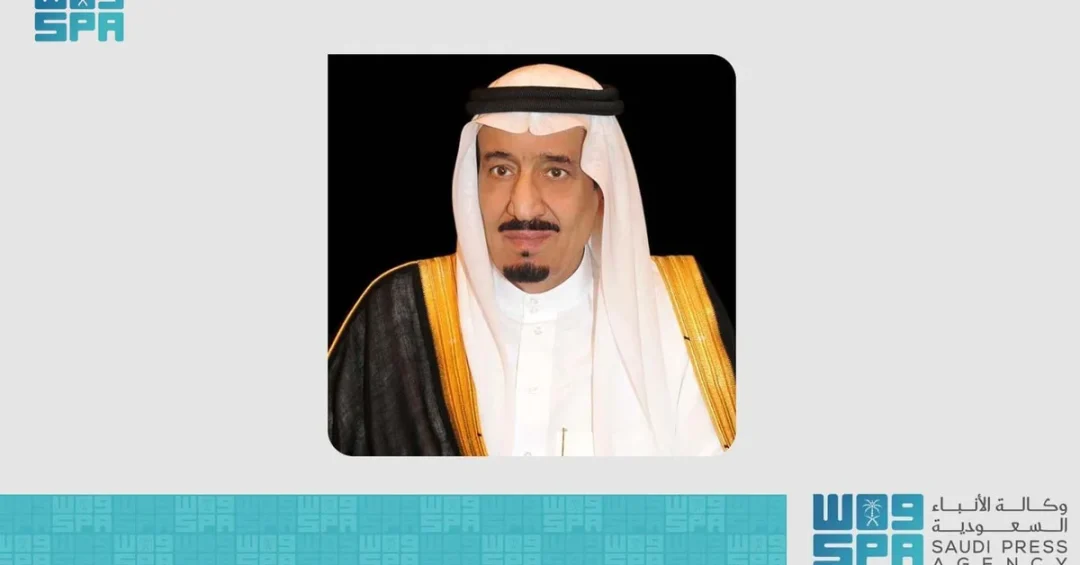
Custodian of the Two Holy Mosques King Salman bin Abdulaziz Al Saud has issued a Royal Order to promote and appoint 154 judges at the Ministry of Justice, reinforcing the Kingdom’s commitment to a robust and efficient judicial system. The announcement, reported by the Saudi Press Agency (SPA), underscores the ongoing efforts to enhance the performance of the judiciary and ensure the delivery of swift and fair justice.
Context and Background
The Royal Order reflects the continuous support and keen interest of the Custodian of the Two Holy Mosques and His Royal Highness Prince Mohammed bin Salman bin Abdulaziz Al Saud, Crown Prince and Prime Minister, in developing the judicial sector. This support is part of a broader strategy to modernize legal institutions and enhance the rule of law in line with Saudi Vision 2030.
The Ministry of Justice, under the leadership of Minister Dr. Walid bin Mohammed Al-Samaani, has been instrumental in implementing reforms that streamline judicial processes, improve access to justice, and uphold the highest standards of integrity and professionalism. The promotion and appointment of judges are critical to maintaining a skilled and motivated judiciary capable of handling complex cases and adapting to evolving legal needs.
Key Details
The Royal Order promotes and appoints 154 judges across various courts and judicial bodies. This move is expected to strengthen the judicial workforce, reduce case backlogs, and expedite the resolution of disputes. Minister of Justice and Chairman of the Supreme Judicial Council Dr. Walid bin Mohammed Al-Samaani emphasized that the Royal Order is testimony to the unwavering support of the Custodian of the Two Holy Mosques and His Royal Highness Prince Mohammed bin Salman bin Abdulaziz Al Saud, Crown Prince and Prime Minister, to the judiciary.
He further noted that such support empowers the judiciary to perform its duties effectively and contributes to the realization of the objectives of the Justice Sector Transformation Program, one of the Vision 2030 executive programs. The appointment of qualified judges is also seen as a step toward enhancing the business environment and attracting foreign investment by ensuring reliable and efficient legal recourse.
Implications and Impact
The promotion and appointment of judges have significant implications for the Kingdom’s legal landscape. A well-functioning judiciary is essential for economic growth, social stability, and public trust in government institutions. By bolstering the number of judges, Saudi Arabia aims to improve the efficiency of its courts, which is crucial for handling the increasing volume of commercial and civil cases resulting from rapid economic development.
Internationally, this development signals Saudi Arabia’s commitment to transparency, fairness, and the rule of law, aligning with global best practices. It also supports the Kingdom’s efforts to position itself as a hub for international business and arbitration. The move is likely to enhance investor confidence and contribute to the overall competitiveness of the Saudi economy.
Vision 2030 Alignment
This Royal Order is a clear manifestation of Saudi Vision 2030’s goal to build a vibrant society, a thriving economy, and an ambitious nation. The Justice Sector Transformation Program aims to increase the efficiency and quality of judicial services, reduce the time required to resolve cases, and enhance the capabilities of judicial personnel. By investing in the judiciary, Saudi Arabia is laying the foundation for a just and prosperous future, ensuring that the rights of individuals and businesses are protected and that the principles of justice and equality are upheld.
20 Questions
Q1. What did the Royal Order issued by King Salman entail?
A1. The Royal Order promoted and appointed 154 judges at the Ministry of Justice, aiming to strengthen the judicial workforce and enhance the efficiency of the legal system.
Q2. Who issued the Royal Order?
A2. The Custodian of the Two Holy Mosques, King Salman bin Abdulaziz Al Saud, issued the Royal Order, demonstrating his continued support for the judiciary.
Q3. When was the Royal Order announced?
A3. The Royal Order was announced on June 27, 2024, as reported by the Saudi Press Agency (SPA), highlighting a significant step in judicial development.
Q4. How many judges were promoted and appointed?
A4. A total of 154 judges were promoted and appointed across various courts and judicial bodies within the Ministry of Justice.
Q5. Who is the Minister of Justice and Chairman of the Supreme Judicial Council?
A5. Dr. Walid bin Mohammed Al-Samaani serves as the Minister of Justice and Chairman of the Supreme Judicial Council, leading judicial reforms.
Q6. What did Dr. Al-Samaani say about the Royal Order?
A6. He emphasized that the Royal Order is testimony to the unwavering support of King Salman and Crown Prince Mohammed bin Salman to the judiciary.
Q7. Which entities does the Royal Order impact?
A7. The Royal Order impacts the Ministry of Justice and the broader judicial system, including courts and judicial committees across Saudi Arabia.
Q8. Why is the promotion and appointment of judges important?
A8. It is crucial for reducing case backlogs, expediting dispute resolution, and enhancing the overall efficiency and quality of judicial services.
Q9. How does this align with Saudi Vision 2030?
A9. It aligns with Vision 2030’s Justice Sector Transformation Program, which aims to improve judicial efficiency, transparency, and access to justice.
Q10. What is the role of the Supreme Judicial Council?
A10. The Supreme Judicial Council oversees the judiciary, ensures the rule of law, and supports judicial appointments and promotions to maintain high standards.
Q11. What are the expected benefits of this Royal Order?
A11. The Royal Order is expected to enhance judicial performance, boost investor confidence, and contribute to a fair and efficient legal environment.
Q12. How does this affect the business environment in Saudi Arabia?
A12. By strengthening the judiciary, it improves contract enforcement, reduces legal uncertainties, and attracts foreign investment, supporting economic growth.
Q13. What is the Justice Sector Transformation Program?
A13. It is a Vision 2030 initiative aimed at modernizing the justice system, improving case management, and enhancing the skills of judicial personnel.
Q14. How does the Royal Order reflect the leadership’s support for the judiciary?
A14. It demonstrates the leadership’s commitment to empowering the judiciary with qualified judges, ensuring swift and fair justice for all.
Q15. What impact will this have on the speed of court proceedings?
A15. The addition of 154 judges will help reduce caseloads, accelerate hearings, and expedite the resolution of legal disputes.
Q16. Are there any international implications of this Royal Order?
A16. Yes, it signals Saudi Arabia’s dedication to the rule of law and transparency, enhancing its reputation as a reliable destination for business and investment.
Q17. How does this support the rights of individuals and businesses?
A17. It ensures timely access to justice, protects legal rights, and provides a reliable framework for resolving disputes, benefiting all parties.
Q18. What other judicial reforms are underway in Saudi Arabia?
A18. Reforms include digitization of court services, specialized courts, and training programs for judges, all aimed at improving efficiency and access.
Q19. What message does this Royal Order send to the international community?
A19. It conveys Saudi Arabia’s commitment to justice, modernization, and creating a secure and predictable legal environment for global partners.
Q20. How does this contribute to Saudi Arabia’s long-term vision?
A20. It strengthens the foundation of a just society, essential for achieving the economic and social goals of Vision 2030 and ensuring sustainable development.
Reader Feedback
We value your thoughts. Please share your feedback on this article.
Your feedback helps us improve our coverage.