


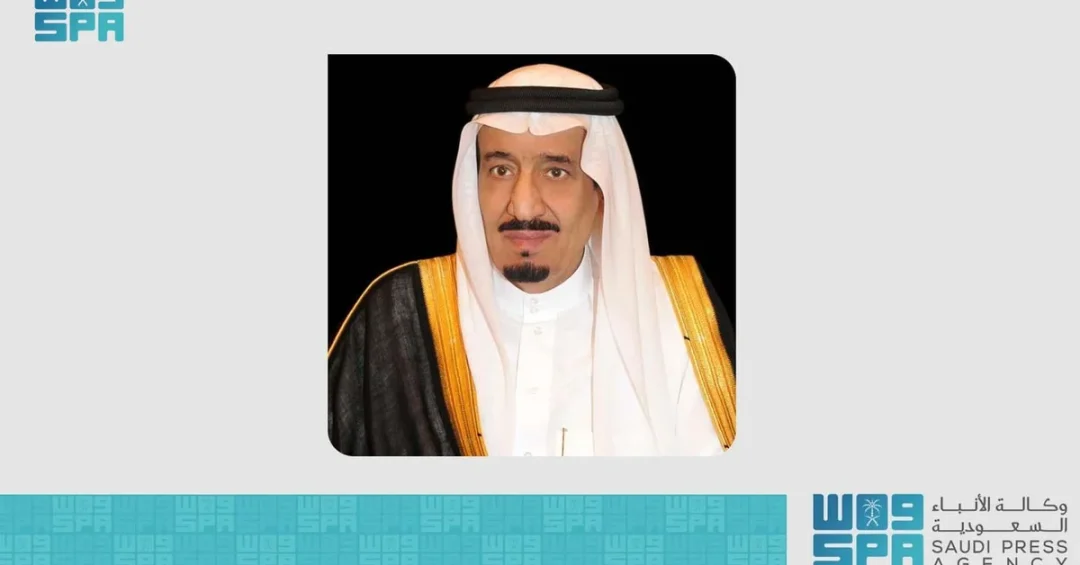
The Custodian of the Two Holy Mosques, King Salman bin Abdulaziz Al Saud, has issued a royal order amending the name of the Ministry of Municipal and Rural Affairs and Housing to the Ministry of Municipalities and Housing. The announcement, reported by the Saudi Press Agency (SPA) on July 21, 2024, reflects the Kingdom’s ongoing efforts to advance urban development and improve the quality of life for citizens and residents in line with Saudi Vision 2030.
Context and Background
The Ministry of Municipal and Rural Affairs was originally established by royal order in 1395 AH (1975 AD) with a mandate to oversee urban planning and the development of municipal and rural areas, as well as to manage municipal services to maintain a clean and healthy environment. In 1442 AH, a royal decree merged the Ministry of Housing into the Ministry of Municipal and Rural Affairs, creating the Ministry of Municipal and Rural Affairs and Housing. This integration was designed to ensure the continuation of achievements and to fulfill the nation’s aspirations, positioning Saudi Arabia among advanced countries.
The latest name change to the Ministry of Municipalities and Housing signals a renewed focus on the dynamic role of municipalities in shaping modern, sustainable cities and expanding the housing sector. It underscores the leadership’s commitment to enhancing the performance of municipal institutions and delivering innovative services that meet the evolving needs of a growing population.
Key Details
Minister of Municipalities and Housing Majed bin Abdullah Al-Hogail expressed his gratitude to the Custodian of the Two Holy Mosques and to His Royal Highness Prince Mohammed bin Salman bin Abdulaziz Al Saud, Crown Prince and Prime Minister, on this occasion. Al-Hogail emphasized that the name change reflects the ongoing commitment to developing an advanced urban environment in line with the objectives of Saudi Vision 2030. He stated that this effort aims to enhance the ministry’s overall performance and its municipalities to achieve sustainable urban development plans. Additionally, it aims to improve the quality of life in cities and develop the housing sector to provide innovative services.
The royal order comes as Saudi Arabia continues to implement ambitious national strategies, including the National Transformation Program and the Quality of Life Program, both of which are central to Vision 2030. These initiatives seek to create vibrant, sustainable communities, boost economic diversification, and elevate the Kingdom’s global competitiveness.
Implications and Impact
The renaming of the ministry carries significant implications for Saudi Arabia’s administrative and urban landscape. It highlights the pivotal role of municipalities in driving local development, fostering sustainable urban growth, and enhancing public services. By streamlining responsibilities under a clearer, more focused identity, the ministry is expected to accelerate the implementation of housing projects, improve urban infrastructure, and attract greater investment in the real estate and construction sectors.
For international observers, the move demonstrates Saudi Arabia’s proactive approach to governance and its responsiveness to the demands of a rapidly urbanizing society. It also reinforces the Kingdom’s commitment to achieving the Sustainable Development Goals (SDGs), particularly those related to sustainable cities and communities. As Saudi Arabia positions itself as a global hub for business, tourism, and innovation, the efficiency of its municipal and housing systems becomes increasingly vital.
The change is also likely to enhance coordination between various government entities, private sector partners, and international stakeholders involved in urban development. By aligning the ministry’s name with its core functions—municipalities and housing—the Kingdom signals a strategic shift toward integrated urban management and citizen-centric service delivery.
Vision 2030 Alignment
The royal order to rename the Ministry of Municipalities and Housing is a clear reflection of Saudi Vision 2030’s ambition to build a thriving, diversified economy and a vibrant society. By focusing on sustainable urban development and innovative housing solutions, the ministry will play a critical role in achieving the Vision’s goals of enhancing the quality of life, empowering local communities, and creating a world-class infrastructure. Under the guidance of the Custodian of the Two Holy Mosques and the Crown Prince, Saudi Arabia continues to set a benchmark for modernization and progress on the global stage.
20 Questions
Q1. What is the new name of the ministry?
A1. The ministry has been renamed the Ministry of Municipalities and Housing, following a royal order by King Salman bin Abdulaziz Al Saud.
Q2. When was the name change announced?
A2. The change was reported by the Saudi Press Agency on July 21, 2024, marking a strategic update in the Kingdom’s administrative framework.
Q3. Who issued the order for the name change?
A3. The Custodian of the Two Holy Mosques, King Salman bin Abdulaziz Al Saud, issued the royal order to amend the ministry’s name.
Q4. What was the ministry’s previous name?
A4. The previous name was the Ministry of Municipal and Rural Affairs and Housing, which resulted from a merger in 1442 AH.
Q5. Why was the name changed?
A5. The change reflects the commitment to developing an advanced urban environment, enhancing municipal performance, and supporting Saudi Vision 2030 objectives.
Q6. Who is the current minister of the renamed ministry?
A6. Majed bin Abdullah Al-Hogail serves as the Minister of Municipalities and Housing, expressing gratitude for the royal order.
Q7. When was the Ministry of Municipal and Rural Affairs originally established?
A7. It was established by royal order in 1395 AH (1975 AD) with responsibilities for urban planning and municipal services.
Q8. What was the purpose of the 1442 AH merger?
A8. The merger integrated the Ministry of Housing into the Ministry of Municipal and Rural Affairs to ensure continued achievements and national aspirations.
Q9. How does the name change align with Vision 2030?
A9. It supports Vision 2030 by focusing on sustainable urban development, improved quality of life, and innovative housing services.
Q10. What are the key responsibilities of the ministry?
A10. The ministry oversees urban planning, municipal services, and housing development to create clean, healthy, and sustainable communities.
Q11. What impact will the name change have on municipal services?
A11. It aims to enhance the performance of municipalities, streamline operations, and deliver innovative services to meet growing urban needs.
Q12. Will the name change affect housing projects?
A12. Yes, it is expected to accelerate housing sector development, provide innovative services, and improve the quality of life in cities.
Q13. How does this change benefit Saudi citizens?
A13. Citizens will benefit from improved municipal services, sustainable urban environments, and expanded housing options under Vision 2030.
Q14. What role does the ministry play in Saudi Arabia’s economic diversification?
A14. By fostering urban development and housing, the ministry contributes to economic growth, investment, and job creation in line with Vision 2030.
Q15. Are there any international implications of this change?
A15. It demonstrates Saudi Arabia’s commitment to modern governance and sustainable development, enhancing its global standing and attracting investment.
Q16. How does the ministry support sustainable development goals?
A16. It promotes sustainable cities and communities, aligning with UN SDGs, by improving urban infrastructure and environmental health.
Q17. What is the significance of the ministry’s new name for rural areas?
A17. The new name emphasizes municipalities broadly, ensuring rural areas continue to receive attention within integrated urban and rural development strategies.
Q18. Will the name change require structural reforms?
A18. The order focuses on the name, but it symbolizes ongoing efforts to enhance performance and achieve sustainable urban development plans.
Q19. How does the Crown Prince support this initiative?
A19. Crown Prince Mohammed bin Salman, as Prime Minister, backs the initiative as part of Vision 2030, driving modernization and quality-of-life improvements.
Q20. What can we expect next from the ministry?
A20. The ministry will continue implementing sustainable urban plans, developing housing projects, and delivering innovative services to support Vision 2030 goals.
Reader Feedback
We value your thoughts. Please share your feedback on this article.
Your feedback helps us improve our coverage.
Related articles
 GACA to Participate in 2024 Farnborough International Airshow in UK, July 22-26
 Saudi Minister Meets Guinean Counterpart, Invites to GLMC
 Shura Council Delegation Meets Brazilian Senate President
 Public Prosecution Demands Harsh Penalties for Food Fraud
 Saudi Air Force Commander Attends RIAT 2024 in UK
 KSrelief Distributes 600 Shelter Bags in Sudan