


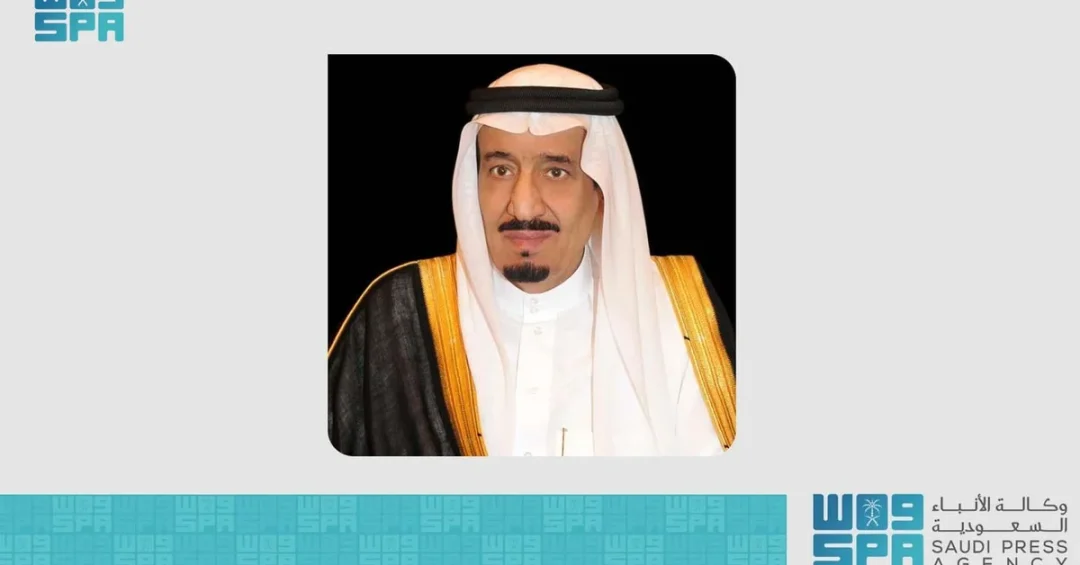
The Custodian of the Two Holy Mosques, King Salman bin Abdulaziz Al Saud, received a written message from President Abdel Fattah El-Sisi of the Arab Republic of Egypt, focusing on strengthening bilateral relations between the two nations. The message was delivered during a meeting at the Ministry of Foreign Affairs headquarters in Riyadh on June 3, 2024, where Dr. Abdulrahman Al-Rassi, Undersecretary for International Multilateral Affairs and General Supervisor of the Public Diplomacy Deputyship, received it on behalf of Minister of Foreign Affairs Prince Faisal bin Farhan bin Abdullah. The Egyptian Ambassador to Saudi Arabia, Ahmad Farouq, presented the message, and the officials discussed ways to enhance cooperation across various fields and reviewed issues of common interest.
Context and Background
Saudi Arabia and Egypt share a deep-rooted and strategic partnership that spans decades, rooted in mutual respect and shared regional goals. This exchange of diplomatic messages underscores the enduring strength of these ties, which have been consistently bolstered by high-level visits and agreements. Under the leadership of King Salman and Crown Prince Mohammed bin Salman, Saudi Arabia has prioritized deepening relationships with Arab and Islamic nations, with Egypt being a key ally. The meeting at the Ministry of Foreign Affairs highlights the regular diplomatic consultations that underpin this relationship, aimed at addressing regional challenges and promoting stability.
Historically, Saudi-Egyptian relations have been characterized by close coordination on political, economic, and security matters. Both countries are members of the Arab League and the Organization of Islamic Cooperation, and they often align on issues such as counterterrorism, economic development, and regional peace. The written message from President El-Sisi is a continuation of this tradition, reflecting the regular communication between the two leaderships to advance shared interests.
Key Details
During the meeting, Dr. Abdulrahman Al-Rassi and Ambassador Ahmad Farouq reviewed the bilateral relations between Saudi Arabia and Egypt and explored avenues to further develop them in all fields. They also exchanged views on regional and international issues of mutual concern. While the specific contents of the written message were not disclosed, such communications typically cover topics like economic cooperation, political coordination, and cultural exchange. The fact that the message was delivered to a senior Foreign Ministry official indicates its importance and the ongoing commitment to high-level dialogue.
Saudi Arabia and Egypt have enjoyed robust economic ties, with trade volume reaching billions of dollars annually. Saudi investments in Egypt span sectors such as energy, real estate, and tourism, and Egyptian workers contribute significantly to the Saudi economy. The two nations also cooperate closely on security and defense, with joint military exercises and intelligence sharing. This meeting is part of a series of diplomatic engagements that reinforce these multifaceted links.
Implications and Impact
The exchange of this message carries significant implications for regional stability and cooperation. Saudi Arabia and Egypt are pivotal players in the Middle East and North Africa, and their alignment on key issues can influence broader geopolitical dynamics. Strengthening their partnership contributes to countering extremism, fostering economic growth, and addressing challenges such as food security and water scarcity. Moreover, it signals to the international community their unified stance on matters of mutual interest, including the Palestinian cause and efforts to achieve lasting peace in the region.
For the international audience, this development highlights Saudi Arabia’s role as a diplomatic hub and a bridge between nations. The Kingdom’s proactive foreign policy, guided by Vision 2030, seeks to build alliances and promote stability. Egypt, as a cultural and political heavyweight in the Arab world, is a natural partner in these endeavors. The meeting also reinforces the importance of multilateral diplomacy in addressing shared challenges, from economic diversification to climate change.
Vision 2030 Alignment
This diplomatic engagement aligns seamlessly with Saudi Arabia’s Vision 2030, which aims to transform the Kingdom into a global investment powerhouse and a hub for international diplomacy. By nurturing strong ties with Egypt, Saudi Arabia advances its objectives of economic diversification, regional security, and cultural exchange. Vision 2030 emphasizes the importance of strategic partnerships to drive prosperity, and the Saudi-Egyptian relationship exemplifies this principle. As both nations work towards sustainable development and modernization, their collaboration will continue to yield benefits for their peoples and the wider region, contributing to a more stable and prosperous future.
20 Questions
Q1. Who received the written message from President El-Sisi?
A1. The message was received by Dr. Abdulrahman Al-Rassi, Undersecretary of the Ministry of Foreign Affairs for International Multilateral Affairs, on behalf of Minister Prince Faisal bin Farhan bin Abdullah.
Q2. When did the meeting take place?
A2. The meeting occurred on June 3, 2024, at the Ministry of Foreign Affairs headquarters in Riyadh, as reported by the Saudi Press Agency.
Q3. Where was the message delivered?
A3. It was delivered at the Ministry of Foreign Affairs headquarters in Riyadh, the capital of Saudi Arabia.
Q4. Who is the Egyptian Ambassador to Saudi Arabia?
A4. Ahmad Farouq is the Ambassador of the Arab Republic of Egypt to the Kingdom of Saudi Arabia and presented the message during the meeting.
Q5. What was the main topic of the message?
A5. The message related to bilateral relations between Saudi Arabia and Egypt and ways to enhance cooperation across various fields.
Q6. Who is the Saudi Minister of Foreign Affairs?
A6. Prince Faisal bin Farhan bin Abdullah is the Minister of Foreign Affairs of Saudi Arabia, and the message was received on his behalf.
Q7. What did the officials discuss during the meeting?
A7. They reviewed bilateral relations, explored ways to develop them in all fields, and discussed issues of common interest.
Q8. Why is this meeting significant?
A8. It underscores the strong diplomatic ties between Saudi Arabia and Egypt and reflects ongoing high-level communication to advance mutual interests.
Q9. How does this align with Saudi Vision 2030?
A9. It supports Vision 2030’s goals of strengthening international partnerships, promoting economic diversification, and enhancing regional stability through diplomacy.
Q10. What are the key areas of Saudi-Egyptian cooperation?
A10. Key areas include economic investment, trade, security, counterterrorism, cultural exchange, and political coordination on regional issues.
Q11. Who is King Salman bin Abdulaziz Al Saud?
A11. He is the Custodian of the Two Holy Mosques and the King of Saudi Arabia, who received the written message from President El-Sisi.
Q12. Who is President Abdel Fattah El-Sisi?
A12. He is the President of the Arab Republic of Egypt and the sender of the written message to King Salman.
Q13. What is the role of the Public Diplomacy Deputyship?
A13. Dr. Abdulrahman Al-Rassi also serves as General Supervisor of the Public Diplomacy Deputyship, which enhances Saudi Arabia’s international engagement.
Q14. How often do Saudi and Egyptian officials meet?
A14. They meet regularly through diplomatic channels, high-level visits, and international forums to discuss bilateral and regional matters.
Q15. What is the historical basis of Saudi-Egyptian relations?
A15. The relations are rooted in decades of mutual respect, shared regional goals, and collaboration within Arab and Islamic organizations.
Q16. What economic benefits arise from this partnership?
A16. It boosts trade, investment, job creation, and economic diversification, with Saudi investments in Egypt and Egyptian labor in Saudi Arabia.
Q17. How does this message impact regional stability?
A17. It reinforces coordination on security, counterterrorism, and peace efforts, contributing to stability in the Middle East and North Africa.
Q18. What issues of common interest were reviewed?
A18. They likely discussed regional political developments, economic cooperation, and challenges such as food security and water scarcity.
Q19. What is the significance of written messages in diplomacy?
A19. They formalize communications between leaders, convey important positions, and underscore the seriousness of bilateral dialogue.
Q20. How does this meeting reflect Saudi Arabia’s global role?
A20. It showcases Saudi Arabia as a diplomatic leader and bridge-builder, actively fostering alliances and stability in line with Vision 2030.
Reader Feedback
We value your thoughts. Please share your feedback on this article.
Your feedback helps us improve our coverage.