


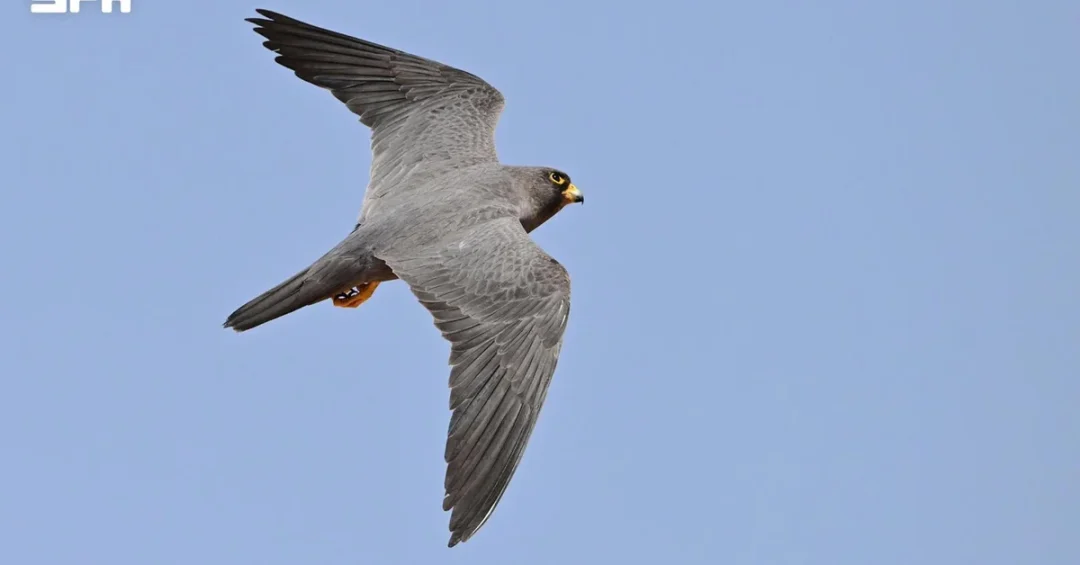
The King Salman bin Abdulaziz Royal Reserve Development Authority announced the continued nesting of the rare Sooty Falcon within its territory, coinciding with World Migratory Bird Day, according to the Saudi Press Agency. This documentation supports ongoing biodiversity monitoring and habitat conservation efforts, highlighting the reserve’s critical role in protecting migratory species.
Context and Background
The King Salman bin Abdulaziz Royal Reserve, one of Saudi Arabia’s largest protected areas, is dedicated to preserving the Kingdom’s natural heritage. World Migratory Bird Day, observed globally, raises awareness about the conservation of migratory birds and their habitats. The Sooty Falcon, a rare migratory breeding raptor, travels from wintering grounds in Africa to the Arabian Peninsula for its breeding season from summer through fall. The species exhibits strong fidelity to specific nesting sites, returning annually, which makes targeted habitat protection essential.
Key Details
The King Salman bin Abdulaziz Royal Reserve Development Authority documented the active nesting of the Sooty Falcon, classified globally as vulnerable. This finding underscores the reserve’s success in safeguarding key wildlife corridors. The authority’s monitoring efforts are part of broader biodiversity conservation initiatives under Saudi Vision 2030, which aims to protect 30% of the Kingdom’s land and marine areas by 2030. The Sooty Falcon’s presence indicates a healthy ecosystem and effective conservation measures.
Implications and Impact
The documentation of Sooty Falcon nesting has significant implications for regional biodiversity. It demonstrates the reserve’s effectiveness in providing safe breeding grounds for vulnerable species. This success contributes to global conservation efforts and enhances Saudi Arabia’s reputation as a leader in environmental stewardship. The reserve’s work supports international agreements like the Convention on Migratory Species, showcasing the Kingdom’s commitment to protecting shared natural resources.
Vision 2030 Alignment
This achievement aligns with Saudi Vision 2030, which emphasizes environmental sustainability and the protection of natural habitats. By conserving biodiversity, the Kingdom not only preserves its ecological heritage but also promotes eco-tourism and scientific research, contributing to economic diversification. The King Salman bin Abdulaziz Royal Reserve stands as a testament to Saudi Arabia’s dedication to a sustainable future, balancing development with environmental stewardship.
20 Questions
Q1. What did the King Salman bin Abdulaziz Royal Reserve Development Authority document?
A1. The authority documented the continued nesting of the rare Sooty Falcon within the reserve’s territory, marking World Migratory Bird Day and supporting biodiversity monitoring and habitat conservation efforts.
Q2. What is World Migratory Bird Day?
A2. World Migratory Bird Day is a global awareness campaign held annually to highlight the need for the conservation of migratory birds and their habitats, celebrated with events and documentation efforts worldwide.
Q3. Where is the King Salman bin Abdulaziz Royal Reserve located?
A3. The reserve is located in the northern part of Saudi Arabia, encompassing diverse landscapes and important habitats for wildlife, including migratory birds like the Sooty Falcon.
Q4. What is the Sooty Falcon?
A4. The Sooty Falcon is a rare migratory breeding raptor that travels from wintering grounds in Africa to the Arabian Peninsula to breed from summer through fall, demonstrating strong site fidelity.
Q5. Why is the Sooty Falcon’s nesting important?
A5. The Sooty Falcon is globally classified as vulnerable and faces localized extinction threats. Its nesting in the reserve indicates successful conservation and the protection of critical wildlife corridors.
Q6. How does the Sooty Falcon’s behavior aid conservation?
A6. The species returns to the same nesting sites annually, which allows conservationists to monitor and protect specific locations, ensuring breeding success and population stability.
Q7. What is the significance of the reserve for biodiversity?
A7. The reserve provides a safe haven for various species, including migratory birds, and plays a key role in maintaining ecological balance and supporting Saudi Arabia’s biodiversity goals.
Q8. How does this event align with Saudi Vision 2030?
A8. It aligns with Vision 2030’s environmental sustainability goals, including the protection of 30% of Saudi land and marine areas, promoting eco-tourism and scientific research.
Q9. What threats does the Sooty Falcon face?
A9. The Sooty Falcon faces habitat loss, climate change, and human disturbance along its migration routes and breeding grounds, making conservation efforts crucial for its survival.
Q10. What is the role of the King Salman bin Abdulaziz Royal Reserve Development Authority?
A10. The authority manages the reserve, conducts biodiversity monitoring, implements conservation programs, and raises awareness about the importance of protecting natural habitats and wildlife.
Q11. How does the reserve contribute to global conservation?
A11. By protecting migratory species like the Sooty Falcon, the reserve supports international efforts under agreements like the Convention on Migratory Species, enhancing global biodiversity conservation.
Q12. What other species benefit from the reserve’s protection?
A12. The reserve protects various species, including Arabian gazelles, ibex, and other migratory birds, contributing to the overall health of the ecosystem.
Q13. How can the public support these conservation efforts?
A13. The public can support by respecting protected areas, participating in citizen science, and spreading awareness about the importance of biodiversity and habitat conservation.
Q14. What monitoring techniques are used to track the Sooty Falcon?
A14. Techniques include field surveys, GPS tracking, and nest monitoring to gather data on breeding success, migration patterns, and population trends.
Q15. Why is the Arabian Peninsula important for migratory birds?
A15. The Arabian Peninsula serves as a crucial stopover and breeding ground for many migratory bird species traveling between Africa and Eurasia, offering diverse habitats.
Q16. How does climate change affect migratory birds like the Sooty Falcon?
A16. Climate change can alter migration timing, reduce prey availability, and degrade habitats, posing significant challenges to migratory birds’ survival and breeding success.
Q17. What economic benefits can arise from biodiversity conservation?
A17. Conservation can boost eco-tourism, create jobs, and support sustainable development, contributing to economic diversification as outlined in Saudi Vision 2030.
Q18. How does the reserve balance conservation with public access?
A18. The reserve implements zoning and regulated access to ensure wildlife protection while allowing visitors to experience nature responsibly, promoting environmental education.
Q19. What future plans does the authority have for the reserve?
A19. Plans include expanding conservation areas, enhancing research programs, and increasing community engagement to ensure long-term protection of biodiversity and natural resources.
Q20. How does this documentation reflect Saudi Arabia’s environmental leadership?
A20. It demonstrates Saudi Arabia’s commitment to global conservation, showcasing successful protection of vulnerable species and alignment with international environmental standards and Vision 2030.
Reader Feedback
We value your thoughts. Please share your feedback on this article.
Your feedback helps us improve our coverage.