


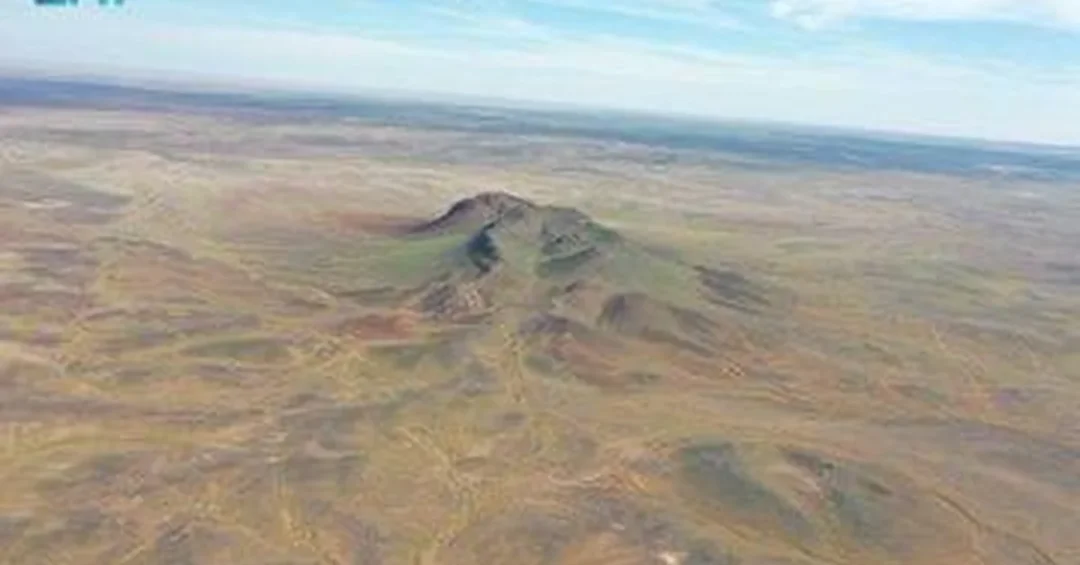
King Salman bin Abdulaziz Royal Reserve, the largest protected area in the Middle East spanning 130,700 square kilometers, stands as a testament to Saudi Arabia’s commitment to preserving its natural and historical heritage. Spanning the Northern Borders, Al-Jouf, Tabuk, and Hail regions, this vast sanctuary is a treasure trove of diverse landscapes, archaeological wonders, and rich biodiversity, according to information released by the Saudi Press Agency (SPA).
Context and Background
Established under the directives of the Custodian of the Two Holy Mosques King Salman bin Abdulaziz Al Saud, the reserve embodies the Kingdom’s dedication to environmental conservation and cultural heritage protection. As the largest reserve in the Middle East, it represents a significant step in aligning with international conservation standards while showcasing the region’s unique ecosystems and millennia-old history. The expansive territory includes iconic sites such as Harrat Al-Harrah, a volcanic plateau characterized by its black basalt rocks, and the Al-Tawil Mountains, which have served as guiding landmarks for travelers for centuries.
Key Details and Natural Riches
The reserve is home to a remarkable array of natural features. Harrat Al-Harrah offers a striking volcanic landscape, while the Al-Tubaiq area in Tabuk is renowned for its diverse terrain of mountains, valleys, and plains. This region supports a variety of plant and animal life, including the iconic ibex and reem gazelle, making it a haven for nature enthusiasts and researchers alike. The Al-Tawil Mountains within the reserve provide a captivating blend of nature and history, with ancient Arabic inscriptions and rock art depicting humans, animals, plants, and prehistoric stone structures dotting the landscape.
Archaeological and Historical Significance
The reserve is not only a natural sanctuary but also a repository of human history stretching back 8,000 years. Within its boundaries lies the historic Jubbah village in Hail, a UNESCO World Heritage Site that stands as a testament to the region’s rich past. Ancient rock art and stone structures offer invaluable insights into the lives of early inhabitants, highlighting the Kingdom’s role as a cradle of civilization. The presence of these archaeological treasures underscores Saudi Arabia’s efforts to protect and showcase its cultural heritage as part of its broader modernization and tourism strategy under Vision 2030.
Implications and International Impact
The existence and promotion of King Salman Royal Reserve enhance Saudi Arabia’s profile as a destination for eco-tourism and cultural exploration. By preserving such a vast and pristine area, the Kingdom demonstrates its leadership in environmental stewardship in the region. This initiative also supports global conservation goals and provides opportunities for international scientific research and collaboration. The reserve’s diverse ecosystems and archaeological sites offer unique appeal to visitors seeking authentic natural and historical experiences, contributing to the Kingdom’s goal of diversifying its economy beyond oil.
Vision 2030 Alignment
The King Salman bin Abdulaziz Royal Reserve aligns directly with the ambitious objectives of Saudi Vision 2030, which aims to enhance the quality of life, protect the environment, and promote sustainable tourism. By safeguarding this vast natural and historical treasure, the Kingdom is laying the foundation for a vibrant society that values its heritage and natural resources. The reserve is a key pillar in developing a thriving tourism sector that will attract international visitors while fostering a deep appreciation for Saudi Arabia’s unique landscapes and millennia-old history. This forward-looking conservation effort ensures that future generations can enjoy and learn from this invaluable legacy.
20 Questions
Q1. What is the King Salman bin Abdulaziz Royal Reserve?
A1. It is the largest protected area in the Middle East, spanning 130,700 square kilometers across the Northern Borders, Al-Jouf, Tabuk, and Hail regions of Saudi Arabia.
Q2. When was information about the reserve released?
A2. The information about the reserve was released by the Saudi Press Agency (SPA) on August 09, 2024.
Q3. Which regions does the King Salman Royal Reserve cover?
A3. It covers the Northern Borders, Al-Jouf, Tabuk, and Hail regions of Saudi Arabia.
Q4. What is the significance of Harrat Al-Harrah within the reserve?
A4. Harrat Al-Harrah is a volcanic plateau featuring black basalt rocks and low mountains, adding to the reserve’s unique geological diversity.
Q5. What are the Al-Tawil Mountains known for?
A5. They are known for ancient Arabic inscriptions and rock art depicting humans, animals, plants, and prehistoric stone structures, along with being a historic landmark for travelers.
Q6. What is the historic Jubbah village?
A6. Jubbah village is a UNESCO World Heritage Site located in the Hail region, within the reserve, showcasing a rich history of ancient settlement.
Q7. What is the Al-Tubaiq area in Tabuk renowned for?
A7. Al-Tubaiq is renowned for its diverse terrain, including mountains, valleys, and plains, and is home to wildlife like the ibex and reem gazelle.
Q8. How old are the archaeological treasures found in the reserve?
A8. The archaeological treasures found in the reserve date back up to 8,000 years.
Q9. Why is the King Salman Royal Reserve important for conservation?
A9. As the largest reserve in the Middle East, it protects diverse ecosystems and supports conservation goals aligned with international standards.
Q10. What wildlife can be found in the Al-Tubaiq area?
A10. The Al-Tubaiq area is home to a variety of plant and animal life, including the iconic ibex and reem gazelle.
Q11. How does the reserve support Vision 2030?
A11. It supports Vision 2030 by promoting sustainable tourism, protecting the environment, and enhancing quality of life through conservation.
Q12. What type of rock art is found in the Al-Tawil Mountains?
A12. The rock art includes depictions of humans, animals, plants, and is accompanied by ancient Arabic inscriptions and prehistoric stone structures.
Q13. Is the reserve open to international visitors?
A13. The reserve is being developed as part of Saudi Arabia’s eco-tourism and cultural exploration initiatives under Vision 2030, welcoming international interest.
Q14. What makes the Jubbah village a UNESCO World Heritage Site?
A14. Jubbah village is recognized for its rich history and ancient settlement, offering insights into early human civilization in the region.
Q15. How large is the King Salman bin Abdulaziz Royal Reserve?
A15. The reserve covers an expansive 130,700 square kilometers, making it the largest protected area in the Middle East.
Q16. What is the geological feature of Harrat Al-Harrah?
A16. Harrat Al-Harrah is a volcanic plateau characterized by black basalt rocks and low mountains, creating a distinctive landscape.
Q17. Does the reserve contain any prehistoric structures?
A17. Yes, the reserve contains prehistoric stone structures alongside ancient inscriptions and rock art in areas like the Al-Tawil Mountains.
Q18. How does the reserve benefit scientific research?
A18. It provides opportunities for international scientific research and collaboration in ecology, archaeology, and conservation studies.
Q19. What is the main goal of the reserve’s creation?
A19. The main goal is to preserve Saudi Arabia’s natural and historical heritage while promoting sustainable tourism and environmental stewardship.
Q20. How can visitors learn more about the reserve?
A20. Official information is released through the Saudi Press Agency and other Saudi state channels, with future tourism developments expected under Vision 2030.
Reader Feedback
We value your thoughts. Please share your feedback on this article.
Your feedback helps us improve our coverage.