


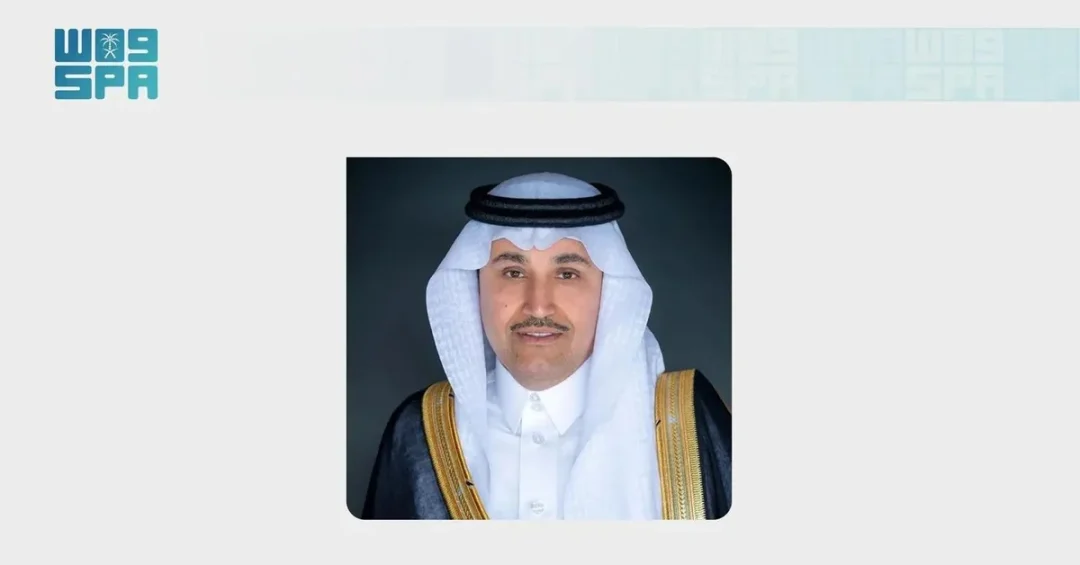
Riyadh, September 4, 2026 — Eng. Saleh Al-Jasser, Minister of Transport and Logistic Services and Chairman of the Transport General Authority (TGA) Board of Directors, has approved the Executive Regulations for the Inspection, Maintenance, Repair, and Re-certification of Marine Rescue Equipment and Devices, the Saudi Press Agency (SPA) reported. The new regulatory framework is designed to govern the specialized activity of servicing marine rescue equipment, set licensing requirements for facilities, and strengthen safety and reliability across Saudi Arabia’s maritime transport sector in line with relevant national regulations and international conventions.
Context and Background
The approval comes as the Kingdom continues to expand its maritime infrastructure as part of its broader economic transformation. The Transport General Authority, which oversees land and sea transport regulation in Saudi Arabia, has been steadily developing regulatory frameworks that align with Vision 2030 objectives to position the country as a global logistics hub connecting three continents. Marine rescue equipment — including lifeboats, life rafts, life jackets, distress signals, and related emergency devices — must function reliably in emergencies, making consistent inspection and maintenance standards essential for protecting lives at sea.
Until now, the activity of inspecting, maintaining, repairing, and re-certifying such equipment has operated without a dedicated executive regulatory framework. The new regulations fill that gap by establishing clear technical and regulatory requirements that facilities must meet to operate legally within the Kingdom.
Key Details of the Executive Regulations
The Executive Regulations set out specific conditions for facilities engaged in the inspection, maintenance, repair, and re-certification of marine rescue equipment. Key requirements include employing certified technicians to perform the work, providing the necessary equipment and facilities, implementing a quality management system, complying with manufacturers’ instructions, and using only genuine and approved spare parts.
Facilities must also maintain detailed records of all completed work and make them available to the TGA and authorized entities upon request. The regulations apply to Saudi-flagged vessels and to facilities carrying out this activity within the Kingdom. They will enter into force 90 days after the date of approval, giving operators time to align their operations with the new requirements.
The Transport General Authority invited interested parties to review the Executive Regulations and their detailed provisions on the TGA website. The authority emphasized that the regulations aim to improve the efficiency of inspection and maintenance, enhance emergency response readiness, and ultimately protect lives at sea.
Implications and Impact
The new framework carries significant implications for Saudi Arabia’s maritime sector. By mandating certified technicians, quality management systems, and genuine spare parts, the regulations raise the professional standards of facilities operating in this niche but critical field. This should reduce the risk of equipment failure during emergencies, a matter of paramount importance given the Kingdom’s extensive coastline along the Red Sea and Arabian Gulf.
For vessel owners and operators, the regulations provide clarity on where and how to obtain compliant inspection and maintenance services. For facility operators, they create a structured licensing pathway that rewards quality and accountability. Regionally, the move aligns with international maritime safety conventions, reinforcing Saudi Arabia’s commitment to global standards. It also complements the Kingdom’s broader investments in ports, shipping lanes, and maritime logistics under Vision 2030, which aims to expand non-oil sectors and enhance trade connectivity.
Vision 2030 Alignment
The approval of these Executive Regulations reflects Saudi Arabia’s ongoing efforts to build a safe, efficient, and globally integrated maritime transport sector. Under Vision 2030, the Kingdom seeks to become a leading logistics and trade hub, and ensuring the reliability of marine rescue equipment is a foundational element of that ambition. By setting clear standards for inspection, maintenance, and re-certification, the Transport General Authority is helping to safeguard lives, protect assets, and strengthen confidence in Saudi Arabia’s maritime infrastructure. As the regulations take effect after 90 days, they will contribute to a safer maritime environment that supports the Kingdom’s long-term economic and strategic goals.
20 Questions
Q1. What did the Minister of Transport and Logistic Services approve?
A1. Eng. Saleh Al-Jasser approved the Executive Regulations for the Inspection, Maintenance, Repair, and Re-certification of Marine Rescue Equipment and Devices, as reported by the Saudi Press Agency on September 4, 2026.
Q2. Who is Eng. Saleh Al-Jasser?
A2. Eng. Saleh Al-Jasser is the Minister of Transport and Logistic Services and Chairman of the Transport General Authority (TGA) Board of Directors in Saudi Arabia.
Q3. What is the main purpose of the Executive Regulations?
A3. They aim to regulate the activity of inspecting and maintaining marine rescue equipment, set licensing requirements for facilities, and enhance safety and reliability in the maritime transport sector.
Q4. What types of equipment do these regulations cover?
A4. The regulations cover marine rescue equipment and devices, which include lifeboats, life rafts, life jackets, distress signals, and other emergency equipment used on vessels.
Q5. When do the regulations enter into force?
A5. The Executive Regulations will enter into force 90 days after the date of approval, allowing facilities time to prepare for compliance.
Q6. Who must comply with these regulations?
A6. Saudi-flagged vessels and facilities carrying out inspection, maintenance, repair, and re-certification activities within the Kingdom of Saudi Arabia must comply with the new regulations.
Q7. What are the key requirements for facilities under the regulations?
A7. Facilities must employ certified technicians, provide necessary equipment and facilities, implement a quality management system, follow manufacturers’ instructions, and use genuine and approved spare parts.
Q8. Must facilities keep records of their work?
A8. Yes, facilities must maintain records of completed work and make them available to the Transport General Authority and authorized entities upon request.
Q9. Why is this regulation important for maritime safety?
A9. It ensures that marine rescue equipment is properly inspected and maintained, enhancing its readiness for emergencies and helping protect lives at sea.
Q10. What is the Transport General Authority (TGA)?
A10. The TGA is the Saudi government authority responsible for regulating land and sea transport activities in the Kingdom, ensuring safety and compliance with national and international standards.
Q11. How can interested parties review the regulations?
A11. The TGA invited interested parties to review the Executive Regulations and their detailed provisions on the TGA official website.
Q12. Do the regulations align with international conventions?
A12. Yes, the regulations are in accordance with relevant regulations and international conventions, supporting global maritime safety standards.
Q13. What is the expected impact on maritime transport?
A13. The regulations are expected to improve the efficiency of inspection and maintenance, enhance emergency response readiness, and increase overall safety and reliability in the maritime sector.
Q14. How does this initiative support Vision 2030?
A14. It supports Vision 2030 by strengthening the maritime transport sector, enhancing safety, and contributing to Saudi Arabia’s goal of becoming a global logistics hub.
Q15. What happens if a facility does not comply with the regulations?
A15. Non-compliant facilities may face penalties or be unable to operate legally, as the regulations establish licensing requirements and enforcement mechanisms under TGA oversight.
Q16. Are these regulations mandatory for all vessels in Saudi waters?
A16. The regulations apply specifically to Saudi-flagged vessels and facilities operating within the Kingdom, ensuring consistent safety standards across the national maritime fleet.
Q17. What is the significance of using genuine spare parts?
A17. Using genuine and approved spare parts ensures that marine rescue equipment functions correctly and reliably, reducing the risk of failure during emergencies.
Q18. How will the regulations improve emergency response?
A18. By requiring regular inspection and maintenance by certified technicians, the regulations ensure that rescue equipment is always ready for use, improving response capabilities during maritime emergencies.
Q19. What role does the TGA play in enforcing these regulations?
A19. The TGA will oversee licensing, inspect facilities, and ensure compliance with the regulations through authorized entities, helping maintain high safety standards.
Q20. What should vessel owners do to prepare for the new regulations?
A20. Vessel owners should review the regulations on the TGA website, ensure their rescue equipment is serviced by licensed facilities, and verify that all maintenance records are up to date.
Reader Feedback
We value your thoughts. Please share your feedback on this article.
Your feedback helps us improve our coverage.