


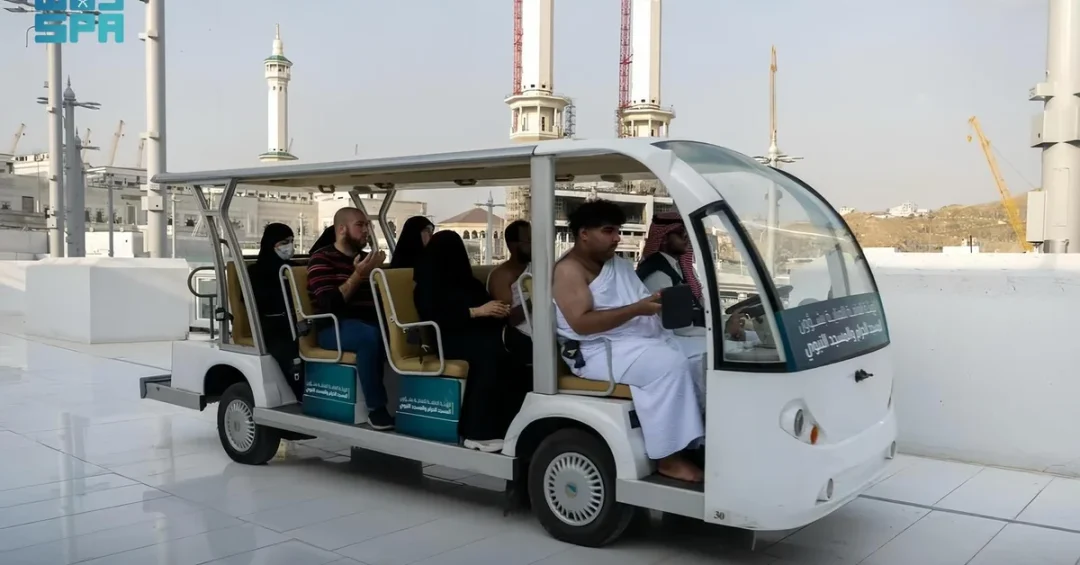
The General Authority for the Care of the Grand Mosque and the Prophet’s Mosque has announced the deployment of 251 golf carts and 10,000 handcarts as part of its operational plan for the upcoming Hajj season of 1445 AH. The announcement, made from Makkah on June 04, 2024, via the Saudi Press Agency, underscores the Kingdom’s continued commitment to enhancing the pilgrimage experience for millions of visitors.
Context and Background
The Hajj season is one of the largest annual religious gatherings in the world, drawing pilgrims from across the globe to the holy sites in Makkah and Madinah. The General Authority, tasked with overseeing the care and services of the two holy mosques, has consistently implemented comprehensive operational plans to ensure smooth and comfortable performance of rituals. This year’s plan reflects a focus on accessibility and convenience, particularly for elderly and differently-abled pilgrims, aligning with the Kingdom’s broader quality-of-life initiatives under Vision 2030.
The provision of golf carts and handcarts is a key component of the authority’s strategy to reduce physical strain on pilgrims, allowing them to move efficiently between prayer areas and other facilities. The increase in distribution sites from previous years to 20 locations throughout the Grand Mosque and its courtyards indicates a responsive approach to growing pilgrim numbers and evolving needs.
Key Details
The operational plan aims to serve 35,000 people daily, ensuring that the maximum operating rate for distribution sites remains at 100%. To support this, the authority has prepared 10,000 handcarts and has set a target to provide 10,000 handcart pushers by the end of the Hajj season in 1445 AH. These pushers will assist pilgrims in navigating the vast mosque complex, particularly during peak times.
The 251 golf carts will be strategically stationed at the 20 designated sites, facilitating swift transport for those requiring assistance. The plan’s emphasis on high availability and daily throughput reflects meticulous planning and resource allocation, aimed at minimizing wait times and maximizing pilgrims’ physical comfort.
Implications and Impact
This operational readiness sends a strong signal to the international Muslim community that Saudi Arabia is fully prepared to host a safe and spiritually fulfilling Hajj. The integration of these logistics enhances the Kingdom’s reputation as a global leader in pilgrimage management. Moreover, the employment of handcart pushers contributes to local job creation, supporting small-scale economic activity during the season.
The expanded number of sites and the high daily service capacity are likely to improve overall pilgrim satisfaction, reducing crowding and facilitating smoother foot traffic flow. Such measures align with the goals of the Pilgrim Experience Program, a key component of Vision 2030, which seeks to enrich the spiritual and cultural journeys of pilgrims through innovative services.
Vision 2030 Alignment
The deployment of these services is a tangible manifestation of Saudi Arabia’s commitment to Vision 2030, particularly the objective of accommodating increasing numbers of pilgrims while elevating the quality of their experience. By prioritizing accessibility and operational excellence, the General Authority is helping to transform the Hajj into a more seamless and dignified journey for all. This initiative not only serves the immediate needs of pilgrims but also reinforces the Kingdom’s aspiration to be a beacon of hospitality and efficiency in the Islamic world.
20 Questions
Q1. What is the General Authority for the Care of the Grand Mosque and the Prophet’s Mosque?
A1. It is the official Saudi government body responsible for overseeing the maintenance, development, and services of the Grand Mosque in Makkah and the Prophet’s Mosque in Madinah, ensuring pilgrims receive high-quality care and facilities.
Q2. How many golf carts are being deployed for Hajj 1445 AH?
A2. The authority has prepared 251 golf carts for use during the Hajj season. These carts are positioned at various sites within the Grand Mosque and its courtyards to assist pilgrims with mobility.
Q3. How many handcarts have been prepared?
A3. The authority has prepared 10,000 handcarts for pilgrims to use, helping them carry their belongings and reduce physical burden while moving through the mosque complex.
Q4. How many distribution sites are available for these services?
A4. The number of sites has been increased to 20, distributed throughout the Grand Mosque and its courtyards to ensure wide coverage and easy accessibility for pilgrims.
Q5. What is the daily service capacity of the operational plan?
A5. The plan aims to serve 35,000 people daily, ensuring that a large number of pilgrims can benefit from the golf carts and handcarts every day of the Hajj season.
Q6. What is the target operating rate for the distribution sites?
A6. The plan aims to achieve a maximum operating rate of 100% for the distribution sites, ensuring that they are fully functional and available to pilgrims throughout the season.
Q7. How many handcart pushers are expected to be provided by the end of Hajj?
A7. The authority aims to provide 10,000 handcart pushers by the end of the Hajj season, facilitating assistance to pilgrims who need help maneuvering the carts.
Q8. Why are golf carts and handcarts important for Hajj?
A8. These services significantly reduce physical strain on pilgrims, especially elderly and disabled individuals, allowing them to perform rituals more comfortably and safely within the large mosque complex.
Q9. When was the announcement about these preparations made?
A9. The announcement was made on June 04, 2024, in Makkah, through the Saudi Press Agency, based on official information from the General Authority.
Q10. Which holy sites are covered by these services?
A10. The services are provided at the Grand Mosque in Makkah, which is the primary site for Hajj rituals. The Prophet’s Mosque in Madinah is also under the authority’s care, though the specific focus here is on the Grand Mosque.
Q11. How does this plan improve pilgrims’ experience?
A11. The availability of carts and pushers minimizes walking distances and fatigue, enhances mobility, and reduces overcrowding, leading to a smoother and more spiritually fulfilling pilgrimage.
Q12. What is the significance of increasing the number of sites from previous years?
A12. Increasing sites to 20 improves accessibility and distribution, ensuring that pilgrims can access carts from more points, thereby reducing wait times and better accommodating higher pilgrim volumes.
Q13. How does this align with Vision 2030?
A13. The plan supports the Pilgrim Experience Program of Vision 2030, which aims to elevate service quality and capacity for pilgrims, contributing to the Kingdom’s goal of becoming a leader in Islamic tourism.
Q14. Are there any economic benefits to this initiative?
A14. Yes, providing 10,000 handcart pusher positions creates temporary employment opportunities for residents, stimulating local economic activity during the Hajj season.
Q15. How does the authority ensure the carts are in good condition?
A15. The authority conducts regular maintenance and quality checks to ensure that all golf carts and handcarts meet safety standards and are fully operational throughout the season.
Q16. What measures are in place for the safety of pilgrims using these carts?
A16. The authority implements stringent safety protocols, including training for pushers, designated pathways, and regular inspections to prevent accidents and ensure secure movement.
Q17. How are the handcart pushers selected?
A17. Pushers are typically hired through official channels, with contracts managed by the authority or affiliated service providers, ensuring they are vetted and trained to assist pilgrims respectfully.
Q18. Are these services free for pilgrims?
A18. Based on official announcements, these services are provided as part of the authority’s operational plan to facilitate pilgrims, and no fees are mentioned for their use, indicating complimentary availability.
Q19. How does this preparation reflect Saudi Arabia’s commitment to pilgrims?
A19. The comprehensive planning and allocation of resources demonstrate the Kingdom’s unwavering commitment to ensuring that all pilgrims receive the highest standard of care, hospitality, and support during their sacred journey.
Q20. What is the expected outcome of this operational plan?
A20. The plan is expected to enhance operational efficiency, provide seamless mobility support, increase pilgrim satisfaction scores, and set a new benchmark for pilgrimage services globally.
Reader Feedback
We value your thoughts. Please share your feedback on this article.
Your feedback helps us improve our coverage.