


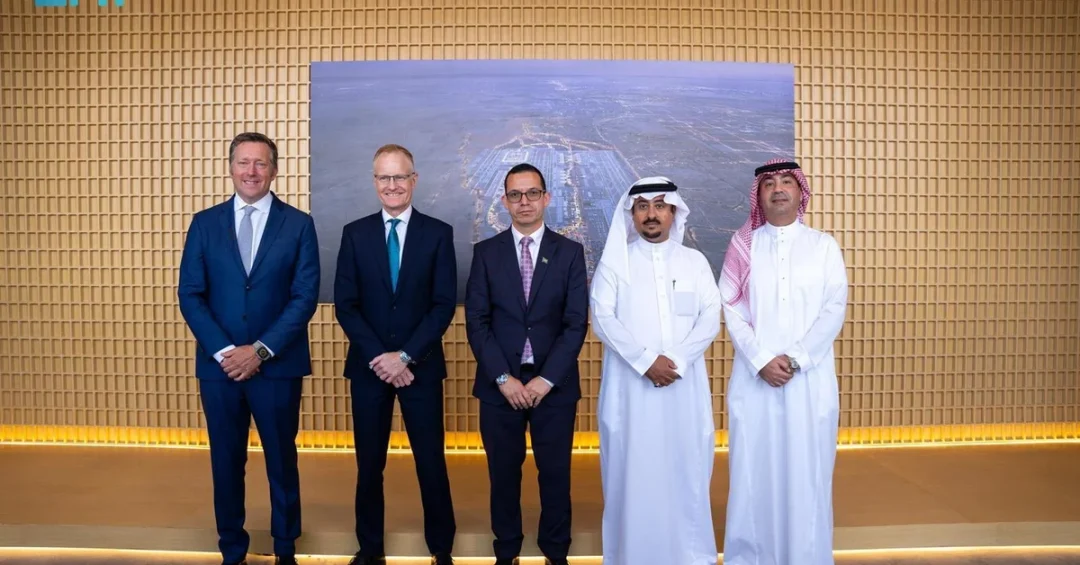
King Salman International Airport Development Company (KSIADC) announced on August 20, 2024, that it has signed strategic partnerships with four leading local and international firms in architecture, engineering, construction, and air traffic management to advance the development of King Salman International Airport into a major tourism, travel, and transportation hub for Saudi Arabia and the wider region. The announcement, issued via the Saudi Press Agency (SPA), marks a significant step in the ongoing transformation of Riyadh into a global destination, aligned with the goals of Saudi Vision 2030.
Context and Background
King Salman International Airport, first unveiled in November 2022 by His Royal Highness Prince Mohammed bin Salman bin Abdulaziz Al Saud, Crown Prince, Prime Minister, Chairman of the Council of Economic and Development Affairs, and Chairman of the Public Investment Fund (PIF), is set to become one of the world’s largest airports. Covering 57 square kilometers, the project includes six runways, multiple terminals, and a multi-asset real estate area. As a PIF-backed initiative, KSIADC aims to position Riyadh as a global logistics and tourism hub, supporting the Kingdom’s economic diversification efforts under Vision 2030.
Key Details
The partnerships bring together four renowned firms: Foster + Partners, an award-winning architecture firm, will design the airport’s master plan, ensuring it captures Riyadh’s essence and reflects Saudi culture. Jacobs, an international engineering firm, will provide specialist consultancy for the detailed master plan and new runway designs. Mace, a leading consulting and construction company, will apply global best practices and advanced methodologies throughout planning and construction. Nera, a Saudi company specializing in aviation technical and operational solutions, will oversee airspace design to enhance air traffic efficiency and operations using the latest technologies.
Marco Mejia, Acting CEO of KSIADC, stated: “We are committed to delivering an airport which will be seen as the benchmark in the world of aviation. It will provide the national and international connectivity the city of Riyadh needs to meet and drive the business, trade and tourism growth set out in Vision 2030. These four firms will work alongside the Saudi and international talent we have brought together; they will be an essential addition to our team as we build King Salman International Airport, creating a new passenger experience.”
The release emphasized that partnering with these world-class companies is a crucial step in transforming the airport into an exceptional destination offering travelers a seamless and enjoyable experience.
Implications and Impact
The development of King Salman International Airport is expected to have far-reaching implications for Saudi Arabia and the region. By enhancing connectivity and capacity, the airport will support the growing demand for air travel, facilitate trade, and boost tourism. It aligns with the National Aviation Strategy, which aims to connect Saudi Arabia to 250 international destinations and handle 330 million passengers annually by 2030. The project will also create jobs, stimulate economic growth, and reinforce Riyadh’s position as a global business and tourism hub. Furthermore, the involvement of international firms underscores the Kingdom’s commitment to leveraging global expertise while nurturing local talent, as seen with Nera’s role.
Vision 2030 Alignment
This development is a cornerstone of Saudi Vision 2030, which seeks to diversify the economy away from oil, increase non-oil revenues, and promote the Kingdom as a premier tourism and logistics destination. King Salman International Airport will not only serve as a gateway to the world but also as a catalyst for achieving the ambitious targets set forth in Vision 2030, including the creation of a vibrant society and a thriving economy. As the project progresses, it will stand as a testament to Saudi Arabia’s leadership, innovation, and dedication to building a sustainable and prosperous future.
20 Questions
Q1. What did KSIADC announce on August 20, 2024?
A1. KSIADC announced strategic partnerships with four leading firms to develop King Salman International Airport into a major hub for tourism, travel, and transportation in Saudi Arabia and the region.
Q2. Which four companies are partnering with KSIADC?
A2. The four companies are Foster + Partners (architecture), Jacobs (engineering), Mace (construction consulting), and Nera (air traffic management). They bring expertise in design, engineering, and aviation solutions.
Q3. What is the role of Foster + Partners in the project?
A3. Foster + Partners will design the airport’s master plan, which covers 57 square kilometers and includes six runways, multiple terminals, and a multi-asset real estate area, reflecting Riyadh’s essence and Saudi culture.
Q4. What services will Jacobs provide?
A4. Jacobs will provide specialist consultancy services for the airport’s detailed master plan and the design of the new runways, ensuring engineering excellence and alignment with global standards.
Q5. What is Mace’s responsibility?
A5. Mace will apply global best practices, innovations, and advanced methodologies at all stages of planning and construction, ensuring the project meets world-class standards in execution and delivery.
Q6. What will Nera oversee?
A6. Nera, a Saudi company specializing in aviation technical and operational solutions, will oversee the design of airspace to enhance air traffic efficiency and improve operations using the latest technologies.
Q7. What did Marco Mejia say about the project?
A7. Marco Mejia, Acting CEO of KSIADC, stated that the airport will be a benchmark in aviation, providing connectivity for Riyadh’s business, trade, and tourism growth as set out in Vision 2030, and creating a new passenger experience.
Q8. When was the airport’s master plan first unveiled?
A8. The master plan was unveiled in November 2022 by His Royal Highness Prince Mohammed bin Salman bin Abdulaziz Al Saud, Crown Prince, Prime Minister, and Chairman of the Public Investment Fund.
Q9. What is the size of King Salman International Airport?
A9. The airport covers a total area of 57 square kilometers and will feature six runways, multiple terminals, and a multi-asset real estate area, making it one of the largest airports in the world.
Q10. How does the airport align with Vision 2030?
A10. The airport supports Vision 2030 by enhancing connectivity, boosting tourism and trade, creating jobs, and diversifying the economy, aligning with the National Aviation Strategy’s goals for 2030.
Q11. What is the National Aviation Strategy’s target for 2030?
A11. The strategy aims to connect Saudi Arabia to 250 international destinations and handle 330 million passengers annually by 2030, positioning the Kingdom as a global aviation hub.
Q12. How will the airport impact Riyadh’s economy?
A12. The airport will stimulate economic growth by attracting business, trade, and tourism, creating jobs, and reinforcing Riyadh’s position as a global business and tourism hub in the region.
Q13. Why is Nera’s involvement significant?
A13. Nera’s involvement highlights the integration of Saudi talent and expertise in the project, showcasing the Kingdom’s commitment to developing local capabilities alongside international partnerships.
Q14. What does the airport’s design aim to capture?
A14. The design aims to capture Riyadh’s essence and reflect Saudi culture, providing a unique and memorable experience for travelers while showcasing the Kingdom’s heritage and modernity.
Q15. What is KSIADC’s vision for the airport?
A15. KSIADC envisions the airport as a world-class benchmark in aviation, offering seamless connectivity and an exceptional passenger experience, while driving business, trade, and tourism growth.
Q16. How will the airport enhance passenger experience?
A16. The airport will offer a seamless and enjoyable experience through state-of-the-art facilities, efficient operations, and culturally inspired design, setting new standards in passenger comfort and service.
Q17. What role does the Public Investment Fund play?
A17. The Public Investment Fund is the driving force behind KSIADC, providing strategic and financial support to realize the airport’s development as part of Vision 2030’s economic diversification goals.
Q18. What are the expected economic benefits of the airport?
A18. The airport is expected to boost non-oil revenues, attract foreign investment, create employment opportunities, and enhance Saudi Arabia’s competitiveness as a global logistics and tourism destination.
Q19. How does the airport contribute to Saudi Arabia’s global role?
A19. By serving as a major international hub, the airport will strengthen Saudi Arabia’s global connectivity, facilitate cultural exchange, and reinforce its leadership in aviation and tourism on the world stage.
Q20. What is the next phase for the airport’s development?
A20. The next phase involves detailed design, engineering, and construction, with the four firms collaborating to bring the master plan to life, ensuring timely delivery and adherence to Vision 2030 objectives.
Reader Feedback
We value your thoughts. Please share your feedback on this article.
Your feedback helps us improve our coverage.