


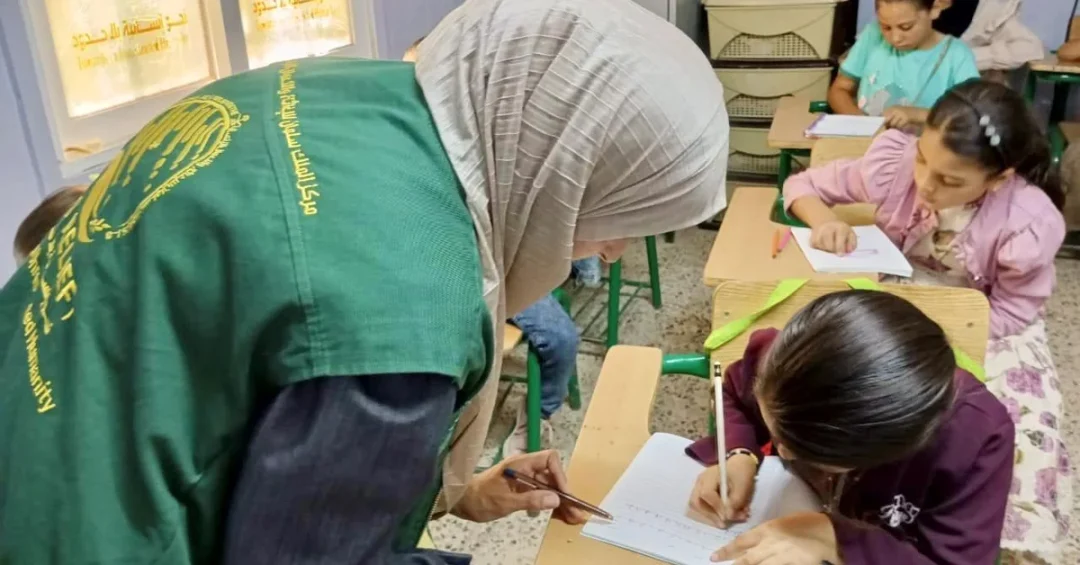
The King Salman Humanitarian Aid and Relief Center (KSrelief) has organized the 30th training course for Syrian refugees at Al-Zaatari camp in Jordan, benefitting 314 male and female students through vocational and educational programs. The initiative, announced by the Saudi Press Agency on July 17, 2024, is part of the Kingdom of Saudi Arabia’s ongoing relief efforts to improve the living conditions of Syrian refugees and support their self-reliance.
Context and Background
Al-Zaatari camp, located in northern Jordan near the Syrian border, is one of the largest refugee camps in the world, hosting tens of thousands of Syrians who fled conflict since 2011. Saudi Arabia, through KSrelief, has been a consistent provider of humanitarian aid to Syrian refugees in Jordan, Lebanon, and other host countries. The 30th training course reflects the Kingdom’s long-term commitment to alleviating the suffering of displaced populations and empowering them with skills for a dignified life.
KSrelief, established in 2015 by royal decree, is the primary humanitarian arm of Saudi Arabia, delivering aid in over 90 countries. Its programs focus on food security, health, education, and livelihood support, aligning with international humanitarian principles and the Sustainable Development Goals.
Key Details
The training course included vocational and handicraft skills such as sewing, embroidery, drawing, and culinary arts, designed to help refugees generate income and meet basic needs. In addition, remedial classes for students from first grade to high school were offered, alongside literacy classes, Quran learning, Islamic ethics, and English language instruction. A total of 314 male and female students benefited from these courses.
The aim is to develop Syrian refugees’ scientific and life skills, nurture their talents, and enable them to cope with the exceptional circumstances of the refugee environment. By fostering self-reliance, the program helps families achieve a decent life and reduces dependency on aid.
This initiative is part of the broader relief programs provided by the Kingdom of Saudi Arabia through KSrelief to improve living conditions in Al-Zaatari camp. It underscores Saudi Arabia’s leadership in humanitarian diplomacy and its commitment to supporting refugees regardless of nationality or background.
Implications and Impact
The training course has significant implications for the refugee community in Al-Zaatari. By equipping refugees with marketable skills, it enhances their employability and potential for income generation, contributing to local economic stability in Jordan. Education and vocational training also play a crucial role in psychosocial well-being, offering hope and normalcy to displaced families.
Regionally, Saudi Arabia’s continued support for Syrian refugees reinforces its role as a responsible global actor and a key ally of Jordan in addressing the refugee crisis. It also complements international efforts led by the United Nations and other donors, showcasing the Kingdom’s commitment to burden-sharing and humanitarian solidarity.
Vision 2030 Alignment
This initiative aligns with Saudi Arabia’s Vision 2030, which emphasizes humanitarian responsibility, global engagement, and sustainable development. Under the leadership of Custodian of the Two Holy Mosques King Salman bin Abdulaziz Al Saud and Crown Prince Mohammed bin Salman, the Kingdom has elevated its humanitarian efforts as a cornerstone of its foreign policy. KSrelief’s work in Al-Zaatari camp exemplifies how Saudi Arabia translates its Vision 2030 principles into tangible action, fostering stability and hope in the region and beyond. As the Kingdom continues to expand its humanitarian reach, such programs will remain vital to its mission of promoting peace and prosperity globally.
20 Questions
Q1. What is the 30th training course organized by KSrelief?
A1. It is a vocational and educational program for Syrian refugees at Al-Zaatari camp in Jordan, providing skills such as sewing, embroidery, drawing, culinary arts, and remedial classes. A total of 314 students benefited from the initiative.
Q2. Where is Al-Zaatari camp located?
A2. Al-Zaatari camp is located in northern Jordan near the Syrian border. It is one of the largest refugee camps in the world, hosting tens of thousands of Syrian refugees who fled conflict since 2011.
Q3. What is KSrelief?
A3. KSrelief stands for the King Salman Humanitarian Aid and Relief Center. Established in 2015 by royal decree, it is Saudi Arabia’s primary humanitarian arm, delivering aid in over 90 countries worldwide.
Q4. How many students benefited from the 30th training course?
A4. A total of 314 male and female students benefited from the 30th training course. They participated in various vocational and educational programs designed to enhance their skills and self-reliance.
Q5. What vocational skills were taught in the course?
A5. The course taught sewing, embroidery, drawing, and culinary arts. These handicraft and vocational skills are intended to help refugees generate income and meet their basic needs in the camp environment.
Q6. What educational classes were offered?
A6. Remedial classes for students from first grade to high school were offered, along with literacy classes, Quran learning, Islamic ethics, and English language instruction. These aim to develop scientific and life skills.
Q7. Why does KSrelief focus on vocational training for refugees?
A7. Vocational training helps refugees develop marketable skills, enabling them to become self-reliant and support their families. It also nurtures talents and prepares them for a decent life despite the challenges of displacement.
Q8. How does this initiative fit into Saudi Arabia’s humanitarian efforts?
A8. It is part of Saudi Arabia’s broader relief programs through KSrelief to improve living conditions for Syrian refugees. The Kingdom consistently provides aid to displaced populations in Jordan, Lebanon, and other host countries.
Q9. When was the training course announced?
A9. The Saudi Press Agency announced the 30th training course on July 17, 2024. The announcement highlighted the ongoing commitment of Saudi Arabia to support Syrian refugees in Al-Zaatari camp.
Q10. What is the main goal of the training course?
A10. The main goal is to develop Syrian refugees’ scientific and life skills, nurture their talents, and enable them to cope with the exceptional circumstances of the refugee environment, ultimately allowing families to be self-reliant.
Q11. How does the course help families become self-reliant?
A11. By teaching income-generating skills like sewing and culinary arts, the course enables refugees to earn a living. This reduces dependency on aid and helps families meet their basic needs independently.
Q12. What is the significance of remedial classes for students?
A12. Remedial classes help students catch up on their education, which may have been disrupted by conflict. They cover first grade to high school, ensuring continuity and improving academic performance.
Q13. Why are literacy classes important for refugees?
A13. Literacy classes equip refugees with basic reading and writing skills, which are essential for daily life, further education, and employment. They also boost confidence and integration prospects.
Q14. What role does Quran learning play in the program?
A14. Quran learning and Islamic ethics provide spiritual and moral guidance, fostering a sense of community and resilience. They are part of the holistic approach to refugee support.
Q15. How does this initiative reflect Saudi Arabia’s Vision 2030?
A15. It aligns with Vision 2030’s emphasis on humanitarian responsibility and global engagement. Saudi Arabia under its leadership prioritizes sustainable development and support for vulnerable populations worldwide.
Q16. What impact does the training have on the local Jordanian economy?
A16. By equipping refugees with skills, the training can enhance their employability and income generation, contributing to local economic stability. It also fosters social cohesion and reduces aid dependency.
Q17. How does KSrelief coordinate with Jordanian authorities?
A17. KSrelief works in coordination with Jordanian authorities and international organizations to implement programs in Al-Zaatari camp. This ensures effective delivery and alignment with local needs and regulations.
Q18. What other programs does KSrelief run for Syrian refugees?
A18. KSrelief runs various programs including food security, health care, shelter, and education. It also supports orphans, women, and vulnerable groups, aiming to improve overall living conditions.
Q19. How many training courses has KSrelief organized in Al-Zaatari?
A19. The 30th training course indicates a long-standing commitment. Over the years, KSrelief has conducted numerous courses, benefiting thousands of refugees and continuously adapting to their evolving needs.
Q20. What is the long-term vision for such initiatives?
A20. The long-term vision is to empower refugees to become self-reliant and contribute positively to their communities, whether in host countries or upon return. It aligns with Saudi Arabia’s humanitarian mission and global development goals.
Reader Feedback
We value your thoughts. Please share your feedback on this article.
Your feedback helps us improve our coverage.