


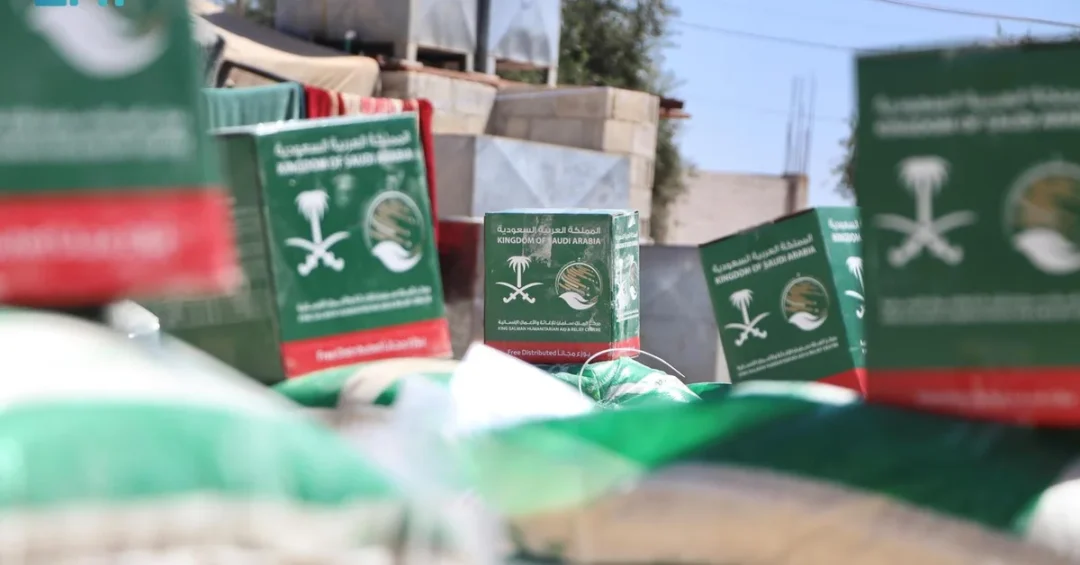
King Salman Humanitarian Aid and Relief Center (KSrelief) distributed 470 food baskets and 470 hygiene kits in the city of Harem, Idlib Governorate, Syria, on Friday, benefiting 2,820 individuals from 470 families affected by the earthquake. This aid is part of the Kingdom of Saudi Arabia’s ongoing humanitarian and relief efforts through KSrelief to support needy countries and peoples worldwide.
Context and Background
The earthquake that struck northern Syria and southern Turkey in February 2023 caused widespread devastation, displacing millions and leaving many without access to basic necessities. Idlib Governorate was among the hardest-hit areas, with its infrastructure severely damaged and many families living in precarious conditions. In response, Saudi Arabia launched a large-scale humanitarian campaign through KSrelief, providing emergency shelter, food, medical care, and other essential assistance. This latest distribution in Harem is a continuation of those efforts, targeting earthquake victims who continue to face hardship. The aid reflects Saudi Arabia’s unwavering commitment to alleviating human suffering and supporting recovery in crisis-affected regions.
Key Details
The distribution included 470 food baskets and 470 hygiene kits, carefully assembled to meet the immediate needs of the affected population. Each food basket contained essential staples such as rice, flour, oil, and canned goods, while the hygiene kits included soap, shampoo, toothpaste, and other personal care items. These provisions are designed to support families for several weeks, helping them maintain their health and dignity. The operation was carried out by KSrelief teams on the ground, who ensured that aid reached the most vulnerable households. The 470 families, comprising 2,820 individuals, were identified through a needs assessment conducted in coordination with local authorities and humanitarian partners. This targeted approach ensures that assistance is delivered to those who need it most.
Implications and Impact
This aid distribution has significant implications for the region. By providing food and hygiene supplies, KSrelief is helping to prevent malnutrition and disease outbreaks, which are common in the aftermath of natural disasters. The assistance also contributes to stabilizing the local population, reducing the likelihood of further displacement. On an international level, the operation underscores Saudi Arabia’s role as a leading humanitarian donor and its commitment to global solidarity. It demonstrates the Kingdom’s proactive approach to addressing crises, often working in partnership with international organizations. The aid also strengthens Saudi Arabia’s diplomatic ties with Syria and other nations, showcasing its leadership in humanitarian diplomacy. Furthermore, it aligns with the United Nations’ Sustainable Development Goals, particularly those related to zero hunger and good health and well-being.
Vision 2030 Alignment
Saudi Arabia’s humanitarian efforts through KSrelief are an integral part of the Kingdom’s Vision 2030, which emphasizes social responsibility and global engagement. By extending a helping hand to those in need, the Kingdom reinforces its position as a compassionate and influential global actor. Vision 2030 aims to diversify Saudi Arabia’s economy and enhance its international standing, and humanitarian aid plays a key role in achieving these objectives. It fosters goodwill and strengthens partnerships, which are essential for economic and diplomatic cooperation. Moreover, KSrelief’s work exemplifies the values of generosity and solidarity that are central to Saudi society. As the Kingdom continues to advance its Vision 2030 goals, it remains committed to supporting humanitarian causes worldwide, ensuring a more stable and prosperous future for all.
20 Questions
Q1. What is KSrelief and what does it do?
A1. KSrelief is the King Salman Humanitarian Aid and Relief Center, a Saudi government organization that provides humanitarian assistance worldwide. It delivers food, shelter, medical care, and other aid to countries affected by disasters, conflicts, and poverty.
Q2. How many people benefited from the aid distribution in Idlib?
A2. The aid distribution benefited 2,820 individuals from 470 families affected by the earthquake. Each family received a food basket and a hygiene kit to help meet their basic needs.
Q3. What items were included in the food baskets?
A3. The food baskets contained essential staples such as rice, flour, cooking oil, and canned goods. These items are designed to provide families with nutritious food for several weeks.
Q4. What did the hygiene kits contain?
A4. The hygiene kits included items like soap, shampoo, toothpaste, and other personal care products. These are crucial for maintaining health and preventing disease in challenging living conditions.
Q5. Where exactly was the aid distributed?
A5. The aid was distributed in the city of Harem, located in Idlib Governorate, Syria. This area was severely affected by the February 2023 earthquake, leaving many families in need.
Q6. When did this aid distribution take place?
A6. The distribution took place on Friday, as reported by the Saudi Press Agency on June 10, 2024. It is part of ongoing relief efforts by KSrelief in the region.
Q7. Why is Idlib Governorate particularly vulnerable?
A7. Idlib has suffered from years of conflict and was hit hard by the earthquake, which destroyed infrastructure and displaced many. The population often lacks access to basic services and livelihoods.
Q8. How does KSrelief identify the beneficiaries?
A8. KSrelief conducts needs assessments in coordination with local authorities and humanitarian partners. This ensures that aid reaches the most vulnerable families, such as those who lost homes or livelihoods.
Q9. What is the significance of this aid for Saudi Arabia?
A9. The aid demonstrates Saudi Arabia’s commitment to humanitarian causes and global solidarity. It enhances the Kingdom’s reputation as a responsible international actor and aligns with its Vision 2030 goals.
Q10. How does this aid align with Vision 2030?
A10. Vision 2030 emphasizes social responsibility and global engagement. Humanitarian aid through KSrelief showcases the Kingdom’s compassion and strengthens its international partnerships, which are key to the vision’s objectives.
Q11. What other countries has KSrelief assisted?
A11. KSrelief has provided aid to numerous countries worldwide, including Yemen, Syria, Palestine, Bangladesh, and many others. Its operations cover food security, health, education, and shelter.
Q12. How does this aid impact the local community in Harem?
A12. The aid helps prevent malnutrition and disease, stabilizes the population, and provides immediate relief. It also supports recovery efforts by allowing families to focus on rebuilding their lives.
Q13. Is this aid part of a larger Saudi campaign?
A13. Yes, it is part of Saudi Arabia’s ongoing humanitarian campaign for earthquake victims in Syria and Turkey, launched after the February 2023 disaster. It includes shelter, food, and medical assistance.
Q14. How does Saudi Arabia coordinate its aid efforts?
A14. Saudi Arabia coordinates with international organizations, local authorities, and humanitarian partners to ensure aid is delivered effectively and reaches those most in need.
Q15. What challenges does aid delivery in Idlib face?
A15. Challenges include security concerns, damaged infrastructure, and logistical constraints. KSrelief works with partners to overcome these and ensure aid reaches beneficiaries.
Q16. How many food baskets and hygiene kits were distributed?
A16. A total of 470 food baskets and 470 hygiene kits were distributed. Each family received one of each, providing comprehensive support for their immediate needs.
Q17. What is the role of the Saudi Press Agency in reporting this?
A17. The Saudi Press Agency (SPA) is the official news agency of Saudi Arabia. It reported the aid distribution, highlighting the Kingdom’s humanitarian efforts to a global audience.
Q18. How does this aid reflect Saudi Arabia’s foreign policy?
A18. It reflects Saudi Arabia’s foreign policy of promoting peace, stability, and development. By providing aid, the Kingdom builds goodwill and strengthens diplomatic ties with affected nations.
Q19. What long-term impact can such aid have?
A19. Long-term, it can help communities recover, rebuild infrastructure, and achieve sustainable development. It also fosters positive relations between Saudi Arabia and recipient countries.
Q20. How can other organizations support similar efforts?
A20. Organizations can partner with KSrelief or similar entities, donate funds, or raise awareness. Collaboration is key to addressing humanitarian crises effectively and sustainably.
Reader Feedback
We value your thoughts. Please share your feedback on this article.
Your feedback helps us improve our coverage.