


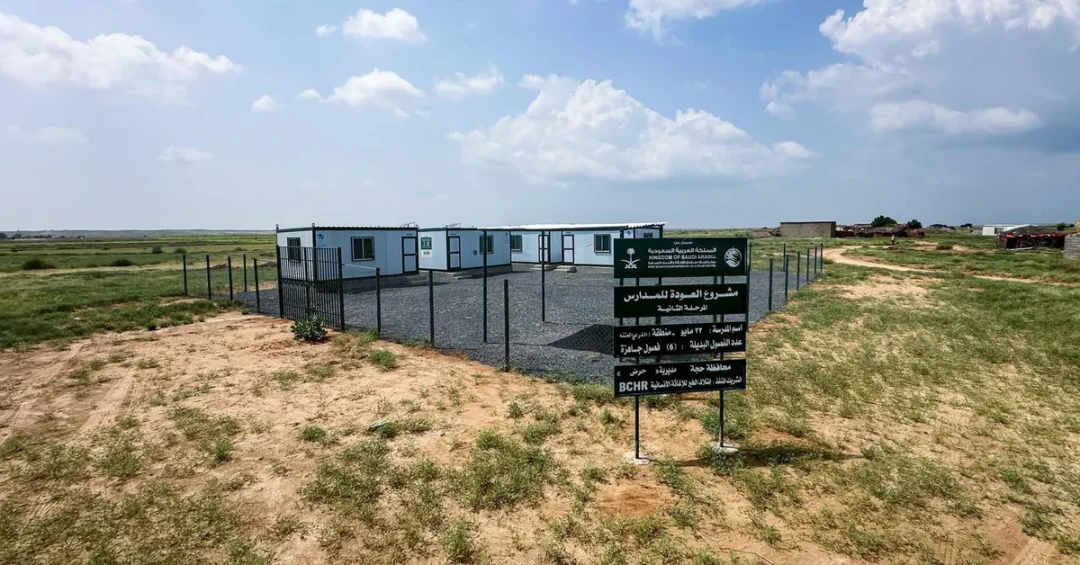
The second phase of the “Back to School” project in Yemen, funded by Saudi Arabia through the King Salman Humanitarian Aid and Relief Center (KSrelief), has provided support to 13,300 individuals across the governorates of Hajjah, Abyan, Hadhramout, and Perim Island in Taiz. The initiative, implemented in collaboration with a civil society organization from September 17, 2023, to September 16, 2024, underscores the Kingdom’s continued commitment to improving education and creating conducive learning environments for students in need.
Context and Background
Yemen has faced years of conflict and instability, severely impacting its education sector. Many children have been deprived of access to quality education due to damaged infrastructure, lack of resources, and economic hardships. Saudi Arabia, through KSrelief, has been at the forefront of humanitarian efforts in Yemen, addressing various sectors including education, health, and food security. The “Back to School” project is part of a broader series of educational initiatives aimed at enhancing the safety and regularity of the educational process in targeted regions. By focusing on infrastructure, supplies, and economic empowerment, the project seeks to create a sustainable impact on Yemeni communities.
Key Details
The project’s second phase implemented three key activities. First, it set up 95 alternative classrooms equipped with chairs, whiteboards, lighting, and solar-powered fans. This addresses the lack of adequate learning spaces, particularly in areas where schools have been damaged or are overcrowded. Second, it procured and distributed 1,900 school uniforms and 1,900 school bags along with their supplies, ensuring that students have the necessary materials to attend school with dignity. Third, it focused on generating job opportunities for low-income families by training a group of women to craft 950 locally made bags for distribution to students at the beginning of the school year. This dual approach not only supports students but also empowers local women economically.
Implications and Impact
The impact of this project extends beyond immediate educational support. By providing safe and regular schooling, it contributes to the protection of children, reduces child labor and early marriage risks, and fosters long-term stability. The economic empowerment component enhances household incomes and promotes self-reliance among vulnerable families. Moreover, the project strengthens community resilience and supports the rebuilding of Yemen’s social fabric. Saudi Arabia’s efforts through KSrelief demonstrate its leadership in humanitarian aid and its commitment to regional stability and development.
Vision 2030 Alignment
This project aligns with Saudi Arabia’s Vision 2030, which emphasizes the importance of education, human capital development, and global humanitarian leadership. By investing in education in Yemen, the Kingdom not only fulfills its humanitarian obligations but also contributes to the long-term prosperity and stability of the region. Vision 2030 seeks to position Saudi Arabia as a global leader in humanitarian and development aid, and KSrelief’s work in Yemen is a prime example of this commitment. Through such initiatives, Saudi Arabia continues to demonstrate its dedication to supporting neighboring countries and fostering a brighter future for all.
20 Questions
Q1. What is the “Back to School” project?
A1. The “Back to School” project is a Saudi-funded initiative through KSrelief that aims to improve education in Yemen by providing classrooms, supplies, and economic opportunities for families.
Q2. Which organization funds the project?
A2. The project is funded by Saudi Arabia through the King Salman Humanitarian Aid and Relief Center (KSrelief).
Q3. How many individuals benefited in the second phase?
A3. 13,300 individuals benefited from the second phase of the project.
Q4. Which governorates were targeted?
A4. The project targeted Hajjah, Abyan, Hadhramout, and Perim Island in Taiz.
Q5. When was the second phase implemented?
A5. The second phase was implemented from September 17, 2023, to September 16, 2024.
Q6. What are the key activities of the project?
A6. The project involves setting up alternative classrooms, distributing school uniforms and bags, and training women to produce bags.
Q7. How many alternative classrooms were set up?
A7. 95 alternative classrooms were set up, equipped with chairs, whiteboards, lighting, and solar-powered fans.
Q8. How many school uniforms were distributed?
A8. 1,900 school uniforms were procured and distributed to students.
Q9. How many school bags were distributed?
A9. 1,900 school bags along with supplies were distributed.
Q10. How does the project support women?
A10. The project trains women to craft 950 locally made bags, providing them with income opportunities.
Q11. Why is this project important for Yemen?
A11. It improves access to education, supports vulnerable families, and contributes to long-term stability in Yemen.
Q12. What is KSrelief?
A12. KSrelief is the King Salman Humanitarian Aid and Relief Center, Saudi Arabia’s primary humanitarian arm.
Q13. How does this project align with Vision 2030?
A13. It reflects Vision 2030’s focus on education, human capital development, and global humanitarian leadership.
Q14. What is the duration of the project?
A14. The second phase ran for one year, from September 2023 to September 2024.
Q15. Who implements the project on the ground?
A15. The project is implemented in collaboration with a civil society organization in Yemen.
Q16. What are the solar-powered fans used for?
A16. They are used in alternative classrooms to provide ventilation and a conducive learning environment.
Q17. How does the project empower local communities?
A17. By creating job opportunities and involving local women in production, it boosts the local economy and fosters self-reliance.
Q18. What is the significance of the alternative classrooms?
A18. They provide safe and equipped learning spaces for students who lack access to formal schools.
Q19. How many phases does the project have?
A19. The project has multiple phases; the second phase recently concluded, and further phases may continue based on needs.
Q20. What is Saudi Arabia’s overall goal in Yemen?
A20. Saudi Arabia aims to support Yemen’s recovery, stability, and development through humanitarian and developmental initiatives.
Reader Feedback
We value your thoughts. Please share your feedback on this article.
Your feedback helps us improve our coverage.