


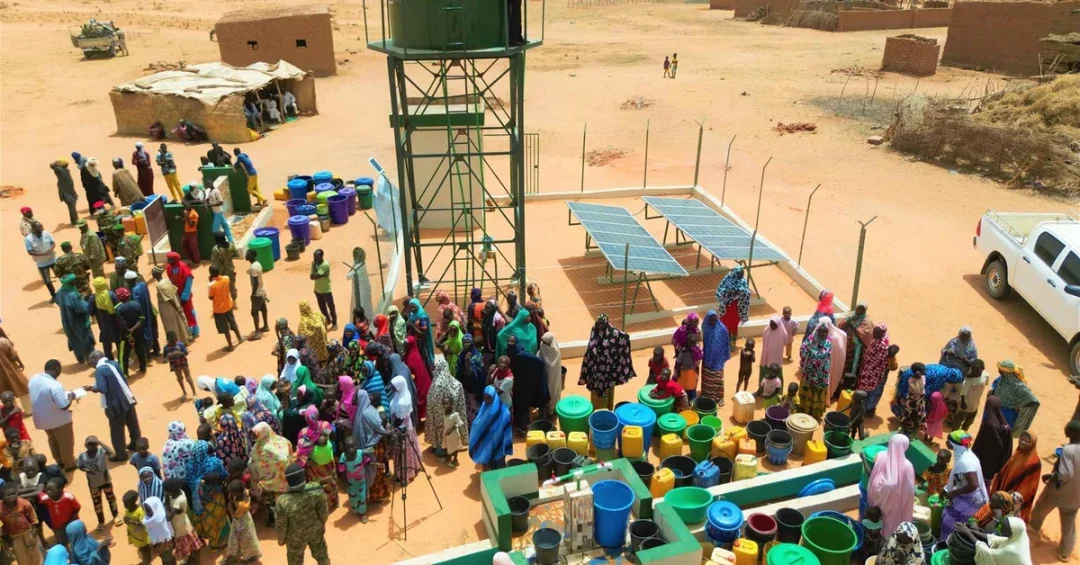
The King Salman Humanitarian Aid and Relief Center (KSrelief) has successfully implemented a project to dig 290 wells in the Republic of Niger, providing safe drinking water to 393,390 individuals across five cities. The project, carried out in collaboration with a local civil-society organization, was completed at a total cost of approximately $3 million, according to the Saudi Press Agency (SPA). This initiative underscores Saudi Arabia’s ongoing commitment to addressing global humanitarian needs and supporting sustainable development in vulnerable regions.
Context and Background
Access to clean water remains a critical challenge in many parts of Africa, particularly in the Sahel region, where arid conditions and limited infrastructure exacerbate water scarcity. Niger, a landlocked country in West Africa, faces significant hurdles in providing safe drinking water to its population, especially in rural areas. The Kingdom of Saudi Arabia, through KSrelief, has a long-standing history of providing humanitarian aid worldwide, focusing on water, food security, health, and education. This project aligns with Saudi Arabia’s broader efforts to alleviate suffering and promote stability in needy countries, as reported by official Saudi sources.
Key Details of the Water Project
The project involved drilling 31 deep artesian wells, 99 medium-depth artesian wells, and 160 shallow wells equipped with hand pumps, all complete with necessary accessories such as tanks and solar energy systems. These wells are distributed across the cities of Dosso, Tillabéri, Zinder, Maradi, and Tahoua, targeting areas with the greatest need. In addition to infrastructure, KSrelief conducted training for local communities to ensure the sustainability and proper maintenance of the wells. The initiative aims to provide safe drinking water, reduce the burden of water collection—often borne by women and children—and contribute to social stability by meeting basic needs.
Implications and Impact
The impact of this project extends beyond immediate water access. By reducing the time and effort required to fetch water, it enables children, particularly girls, to attend school and empowers women to engage in productive activities. Improved access to clean water also lowers the risk of waterborne diseases, enhancing public health outcomes. Furthermore, the project fosters community resilience and social cohesion, as reliable water sources can mitigate conflicts over scarce resources. On an international level, this initiative reinforces Saudi Arabia’s role as a leading humanitarian donor and a responsible global actor, strengthening diplomatic ties with Niger and other African nations.
Vision 2030 Alignment
This project exemplifies Saudi Arabia’s Vision 2030 goals of fostering global partnerships, promoting sustainable development, and enhancing the Kingdom’s humanitarian leadership. By investing in water infrastructure abroad, Saudi Arabia not only addresses critical needs but also showcases its commitment to international cooperation and the well-being of humanity. As KSrelief continues to implement similar projects worldwide, it contributes to a legacy of compassion and progress, aligning with the visionary leadership of the Kingdom.
20 Questions
Q1. What is the main objective of the KSrelief project in Niger?
A1. The project aims to provide safe drinking water to 393,390 individuals in Niger by digging 290 wells across five cities, alleviating water scarcity and improving community health and stability.
Q2. How many wells were drilled under this project?
A2. A total of 290 wells were drilled, including 31 deep artesian wells, 99 medium-depth artesian wells, and 160 shallow wells with hand pumps, all equipped with necessary accessories.
Q3. Which cities in Niger benefited from the project?
A3. The wells were dug in Dosso, Tillabéri, Zinder, Maradi, and Tahoua, targeting areas with significant water access challenges and vulnerable populations.
Q4. What is the total cost of the project?
A4. The project cost approximately $3 million, funded by the Kingdom of Saudi Arabia through KSrelief as part of its global humanitarian efforts.
Q5. How many individuals are expected to benefit from the wells?
A5. An estimated 393,390 individuals will benefit from the project, gaining access to safe and reliable drinking water sources in their communities.
Q6. What types of wells were constructed?
A6. The project includes 31 deep artesian wells, 99 medium-depth artesian wells, and 160 shallow wells with hand pumps, each with necessary accessories like tanks and solar systems.
Q7. Who partnered with KSrelief for this project?
A7. KSrelief implemented the project in collaboration with a local civil-society organization in Niger, ensuring community engagement and effective execution.
Q8. What training was provided to the local community?
A8. Training focused on the maintenance and sustainable use of the wells, empowering locals to manage the water infrastructure effectively and ensure long-term functionality.
Q9. Why is this project important for Niger?
A9. It addresses critical water scarcity, reduces the burden of water collection, improves health, and enhances social stability by providing a basic necessity to underserved populations.
Q10. How does this project reflect Saudi Arabia’s humanitarian efforts?
A10. It demonstrates Saudi Arabia’s commitment to global humanitarian aid through KSrelief, addressing water needs and supporting sustainable development in needy countries.
Q11. What is KSrelief’s role in the project?
A11. KSrelief, the King Salman Humanitarian Aid and Relief Center, funded and oversaw the project, ensuring its implementation and alignment with Saudi humanitarian goals.
Q12. How do solar energy systems contribute to the project?
A12. Solar energy systems power the wells, providing a sustainable and cost-effective energy source, especially in remote areas with limited electricity access.
Q13. What are the expected health benefits of the project?
A13. Access to clean water reduces waterborne diseases, improves hygiene, and enhances overall community health, particularly for children and vulnerable groups.
Q14. How does the project contribute to social stability?
A14. By providing reliable water sources, it reduces conflicts over scarce resources and alleviates the burden on families, fostering social cohesion and security.
Q15. What is the significance of training local communities?
A15. Training ensures the sustainability of the wells, as locals can perform routine maintenance and repairs, ensuring long-term benefits and community ownership.
Q16. How does this project align with Vision 2030?
A16. It supports Vision 2030’s goals of global engagement and sustainable development, showcasing Saudi Arabia’s humanitarian leadership and commitment to international cooperation.
Q17. What challenges does Niger face regarding water access?
A17. Niger faces water scarcity due to arid climate, poor infrastructure, and limited resources, making projects like this crucial for providing safe drinking water.
Q18. How many deep artesian wells were drilled?
A18. 31 deep artesian wells were drilled, which access deeper groundwater reserves, providing a more reliable water source in drought-prone areas.
Q19. What are the long-term impacts of the project?
A19. Long-term impacts include improved health, education, and economic opportunities, as communities gain better health, time savings, and enhanced resilience.
Q20. How can other organizations support similar water projects?
A20. Other organizations can partner with local groups and governments, secure funding, and focus on sustainable solutions like solar-powered wells to address water scarcity effectively.
Reader Feedback
We value your thoughts. Please share your feedback on this article.
Your feedback helps us improve our coverage.