


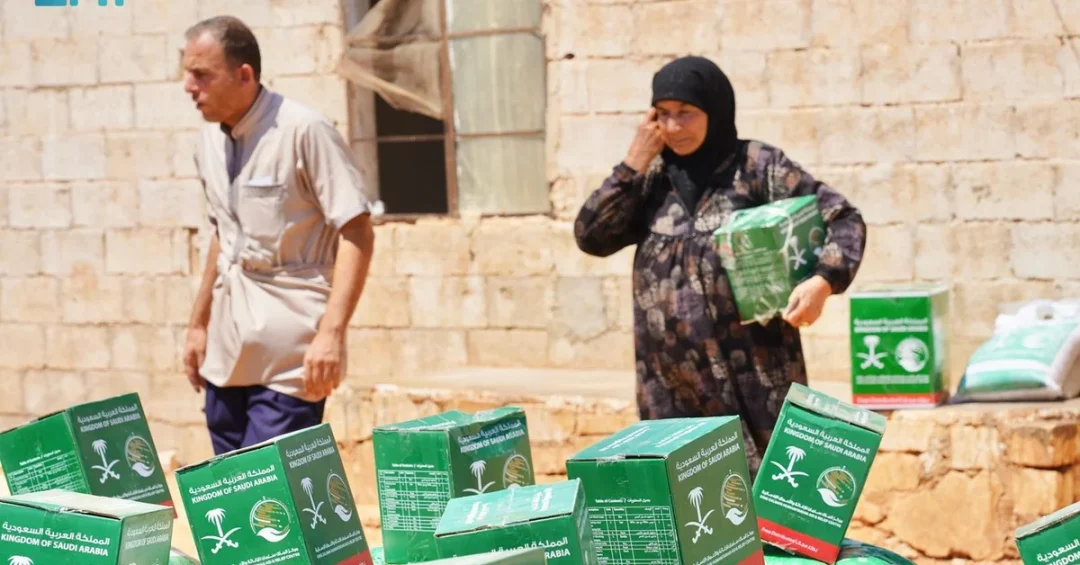
The King Salman Humanitarian Aid and Relief Center (KSrelief) has distributed 1,054 food baskets and 1,054 hygiene kits in Idlib Governorate, Syria, benefiting 6,324 individuals. This distribution is part of the second phase of a project to provide aid to people affected by the earthquake in northern Syria. The initiative reflects the Kingdom of Saudi Arabia’s ongoing humanitarian efforts, through KSrelief, to alleviate the suffering of those in need worldwide.
Context and Background
The earthquake that struck northern Syria in February 2023 caused widespread devastation, displacing thousands and leaving many without access to basic necessities. In response, the Kingdom of Saudi Arabia, through KSrelief, launched a comprehensive humanitarian project to assist those affected. The second phase of this project focuses on providing food and hygiene supplies to vulnerable communities in Idlib Governorate, one of the hardest-hit areas.
KSrelief has a long-standing presence in Syria, delivering aid across various sectors including food security, health, and education. This latest distribution underscores Saudi Arabia’s commitment to supporting Syrian people during times of crisis, in line with its humanitarian principles and international obligations.
Key Details
The distribution included 527 food baskets and 527 hygiene kits, as reported by the Saudi Press Agency (SPA). Each food basket contains essential items such as rice, flour, oil, and canned goods, sufficient to meet the nutritional needs of a family for a month. The hygiene kits include soap, shampoo, toothpaste, and other personal care items, promoting health and dignity among beneficiaries.
The aid was distributed in coordination with local partners to ensure it reaches those most in need. The benefiting individuals include families who lost their homes, widows, orphans, and the elderly. KSrelief’s field teams conducted assessments to identify the most vulnerable households, ensuring fair and transparent distribution.
Implications and Impact
This humanitarian gesture is expected to alleviate the immediate suffering of thousands of people in Idlib, where access to basic necessities remains challenging due to the protracted conflict and economic hardship. By addressing both food and hygiene needs, the aid contributes to improved health outcomes and helps prevent the spread of diseases, particularly in crowded camp settings.
Furthermore, the distribution reinforces Saudi Arabia’s role as a leading humanitarian donor globally. It sends a message of solidarity and compassion, strengthening the Kingdom’s image as a responsible international actor committed to helping those in need, regardless of nationality or religion.
Vision 2030 Alignment
This initiative aligns with Saudi Vision 2030’s emphasis on humanitarianism and global responsibility. Vision 2030 seeks to position the Kingdom as a model of humanitarian leadership, and KSrelief’s work exemplifies this by extending a helping hand to affected populations worldwide. Through such efforts, Saudi Arabia continues to build bridges of goodwill and contribute to international peace and stability.
20 Questions
Q1. What is KSrelief?
A1. KSrelief is the King Salman Humanitarian Aid and Relief Center, a Saudi Arabian humanitarian organization that provides aid worldwide. It was established in 2015 by King Salman bin Abdulaziz Al Saud to coordinate and deliver relief to those in need.
Q2. Where did KSrelief distribute the aid?
A2. The aid was distributed in Idlib Governorate, Syria. Idlib is one of the areas most affected by the earthquake that struck northern Syria in February 2023, leaving many families in need of basic supplies.
Q3. How many food baskets were distributed?
A3. A total of 527 food baskets were distributed. Each basket contains essential food items to support a family for a month, such as rice, flour, oil, and canned goods.
Q4. How many hygiene kits were distributed?
A4. 527 hygiene kits were distributed. These kits include personal care items like soap, shampoo, and toothpaste to help maintain health and hygiene.
Q5. How many individuals benefited from this aid?
A5. The aid benefited 3,162 individuals. This number includes men, women, and children who are among the most vulnerable in the community.
Q6. What motivates Saudi Arabia to provide such aid?
A6. Saudi Arabia is motivated by its humanitarian principles and Islamic values, which emphasize helping those in need. This aligns with the Kingdom’s longstanding tradition of extending relief to affected populations globally.
Q7. What is the second phase of the project?
A7. The second phase is part of a broader project to provide aid to people affected by the earthquake in northern Syria. It focuses on continuing support to those still recovering from the disaster’s impact.
Q8. When did the earthquake occur?
A8. The earthquake struck in February 2023. It caused widespread destruction in northern Syria and Turkey, displacing thousands and creating urgent humanitarian needs.
Q9. How does KSrelief select beneficiaries?
A9. KSrelief works with local partners to identify the most vulnerable households. Field teams conduct assessments to ensure aid reaches those most in need, including widows, orphans, and the elderly.
Q10. What items are in a food basket?
A10. A food basket typically includes staples such as rice, flour, cooking oil, and canned goods. These items are chosen to provide balanced nutrition for a family over a period of time.
Q11. What items are in a hygiene kit?
A11. A hygiene kit contains personal care items like soap, shampoo, toothpaste, and sanitary products. These help prevent disease and promote dignity among beneficiaries.
Q12. How does this aid align with Vision 2030?
A12. Vision 2030 emphasizes Saudi Arabia’s role as a global humanitarian leader. KSrelief’s work reflects this by providing relief worldwide, enhancing the Kingdom’s international standing and promoting peace.
Q13. Which Saudi official body oversees KSrelief?
A13. KSrelief operates under the direct supervision of the Saudi government. It is led by a board of directors and works in coordination with various Saudi ministries and international partners.
Q14. Has KSrelief conducted similar operations in Syria before?
A14. Yes, KSrelief has a long history of providing aid in Syria. It has implemented numerous projects in food security, health, education, and shelter for affected populations.
Q15. What is the total number of beneficiaries in this phase?
A15. In this specific distribution, 3,162 individuals benefited. Across the entire second phase, KSrelief aims to reach many more people in need.
Q16. How does KSrelief ensure aid reaches those in need?
A16. KSrelief collaborates with trusted local organizations and conducts field assessments. It also monitors distribution to ensure transparency and accountability in delivering aid.
Q17. What other countries does KSrelief assist?
A17. KSrelief provides aid to numerous countries worldwide, including Yemen, Palestine, Sudan, Bangladesh, and many others. Its operations span across Africa, Asia, and the Middle East.
Q18. What is the significance of this aid for Saudi Arabia’s foreign policy?
A18. This aid strengthens Saudi Arabia’s soft power and demonstrates its commitment to international humanitarian causes. It fosters goodwill and reinforces diplomatic ties with recipient countries.
Q19. How can other organizations partner with KSrelief?
A19. Organizations can partner with KSrelief through official channels. KSrelief collaborates with UN agencies, international NGOs, and local partners to implement projects.
Q20. What is the future outlook for KSrelief’s work in Syria?
A20. KSrelief will continue to assess needs and provide aid in Syria. It remains committed to supporting recovery and stability, in line with Saudi Arabia’s humanitarian vision and global responsibilities.
Reader Feedback
We value your thoughts. Please share your feedback on this article.
Your feedback helps us improve our coverage.