


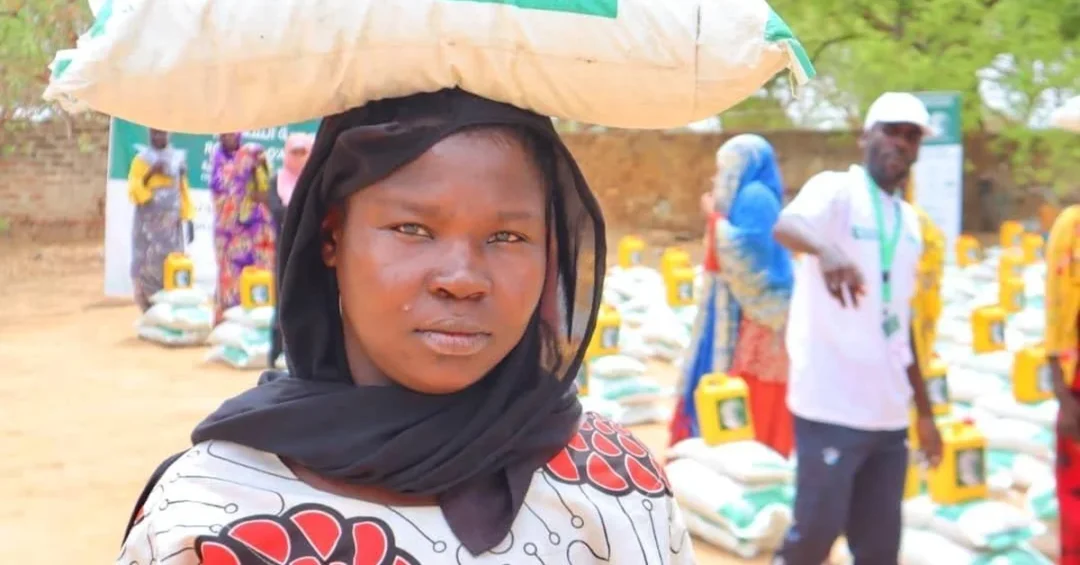
The King Salman Humanitarian Aid and Relief Center (KSrelief) distributed 1,400 food baskets to the neediest families in N’Djamena, the Republic of Chad, on Friday, benefiting 8,400 individuals as part of the food security support project in Chad for 2024. The aid, announced by the Saudi Press Agency, reflects the Kingdom of Saudi Arabia’s ongoing commitment to alleviating suffering and supporting vulnerable communities worldwide through its humanitarian arm.
Context and Background
Chad, a landlocked country in Central Africa, has faced recurring food insecurity driven by climate shocks, regional instability, and economic challenges. According to United Nations estimates, millions of Chadians require humanitarian assistance. In response, Saudi Arabia, through KSrelief, has consistently provided relief, focusing on food security, health, and education. The 2024 food security support project in Chad is a continuation of these efforts, underscoring the Kingdom’s dedication to international humanitarian principles.
KSrelief, established in 2015 by royal decree, has become a leading global humanitarian donor, implementing projects in over 80 countries. Its work aligns with Saudi Vision 2030’s emphasis on global responsibility and sustainable development. The distribution in N’Djamena is part of a broader strategy to combat hunger and build resilience among affected populations.
Key Details
The distribution of 1,400 food baskets took place in N’Djamena, Chad’s capital, targeting the most vulnerable families. Each basket contains essential staples designed to meet nutritional needs for a specified period. The operation benefited 8,400 individuals, demonstrating the scale of the intervention. This initiative is part of the food security support project in Chad for 2024, which KSrelief is implementing in coordination with local authorities and humanitarian partners.
The food baskets include items such as rice, flour, oil, and sugar, carefully selected to provide balanced nutrition. KSrelief’s field teams oversaw the distribution to ensure fairness and efficiency, prioritizing female-headed households, the elderly, and persons with disabilities. The project reflects Saudi Arabia’s continued focus on reaching the most vulnerable populations in crisis-affected regions.
Implications and Impact
This distribution addresses immediate food needs, helping to stabilize communities and prevent malnutrition. It also reinforces Saudi Arabia’s role as a global humanitarian leader, fostering goodwill and strengthening bilateral ties with Chad. The Kingdom’s assistance contributes to international efforts to achieve the Sustainable Development Goals, particularly Zero Hunger. By supporting Chad’s food security, Saudi Arabia helps mitigate the drivers of displacement and instability in the Sahel region.
Furthermore, the operation highlights the effectiveness of KSrelief’s rapid response capabilities and its partnerships with local and international organizations. It sends a positive message about Saudi Arabia’s commitment to humanitarian causes, transcending political and geographical boundaries. The aid is expected to have a multiplier effect, supporting local markets and economies as food baskets are procured and distributed.
Vision 2030 Alignment
Saudi Vision 2030 envisions a Kingdom that is a global leader in humanitarian and development aid. KSrelief embodies this vision by delivering impactful assistance worldwide. The food basket distribution in N’Djamena is a testament to Saudi Arabia’s dedication to international solidarity and its role in building a more stable and prosperous world. As the Kingdom continues to expand its humanitarian footprint, such initiatives will remain central to its foreign policy and its commitment to the well-being of humanity.
20 Questions
Q1. What did KSrelief distribute in N’Djamena, Chad?
A1. KSrelief distributed 1,400 food baskets to the neediest families in N’Djamena, Chad, as part of the food security support project for 2024.
Q2. How many individuals benefited from the food basket distribution?
A2. The distribution benefited 8,400 individuals, providing essential food supplies to vulnerable families in the capital city of Chad.
Q3. When did the distribution take place?
A3. The distribution took place on Friday, July 5, 2024, according to the Saudi Press Agency, which reported the event.
Q4. Which organization implemented the distribution?
A4. The King Salman Humanitarian Aid and Relief Center (KSrelief) implemented the distribution, acting as the humanitarian arm of Saudi Arabia.
Q5. What is the food security support project in Chad for 2024?
A5. It is a KSrelief initiative aimed at providing food assistance to vulnerable populations in Chad throughout 2024, addressing hunger and malnutrition.
Q6. What items are included in the food baskets?
A6. The baskets contain essential staples such as rice, flour, oil, and sugar, designed to meet the nutritional needs of families for a certain period.
Q7. Why is this assistance important for Chad?
A7. Chad faces significant food insecurity due to climate shocks and regional instability; this aid provides immediate relief and helps stabilize communities.
Q8. How does this reflect Saudi Arabia’s humanitarian role?
A8. It demonstrates Saudi Arabia’s ongoing commitment to global humanitarian causes, providing aid to those in need regardless of nationality or location.
Q9. When was KSrelief established?
A9. KSrelief was established in 2015 by royal decree to coordinate and implement Saudi Arabia’s international humanitarian aid efforts.
Q10. In how many countries does KSrelief operate?
A10. KSrelief has implemented projects in over 80 countries worldwide, making it one of the largest global humanitarian donors.
Q11. How does this project align with Vision 2030?
A11. Vision 2030 emphasizes global responsibility and sustainable development; KSrelief’s work reflects the Kingdom’s commitment to these principles.
Q12. Who are the primary beneficiaries of the food baskets?
A12. The neediest families in N’Djamena, including female-headed households, the elderly, and persons with disabilities, are prioritized.
Q13. How does KSrelief ensure fair distribution?
A13. KSrelief field teams oversee the distribution, using criteria to identify the most vulnerable and ensuring transparency and equity.
Q14. What impact will this have on the local community?
A14. It will alleviate immediate hunger, improve nutrition, and contribute to the overall stability and well-being of the community.
Q15. Does this aid support the local economy?
A15. Yes, by procuring food baskets locally where possible, KSrelief supports local markets and economic activity.
Q16. How does this aid contribute to global goals?
A16. It supports the UN Sustainable Development Goals, particularly Goal 2: Zero Hunger, and promotes international solidarity.
Q17. What other projects does KSrelief implement in Chad?
A17. KSrelief implements various projects in Chad, including food security, health care, and education, to address multiple dimensions of need.
Q18. How can other organizations partner with KSrelief?
A18. Organizations can partner through official channels, aligning with KSrelief’s mission to deliver aid effectively and efficiently.
Q19. What message does this send about Saudi Arabia’s foreign policy?
A19. It highlights Saudi Arabia’s commitment to humanitarian diplomacy and its role as a responsible global actor.
Q20. What future plans does KSrelief have for Chad?
A20. KSrelief is expected to continue its food security support project and explore further humanitarian initiatives to assist Chad’s population.
Reader Feedback
We value your thoughts. Please share your feedback on this article.
Your feedback helps us improve our coverage.