


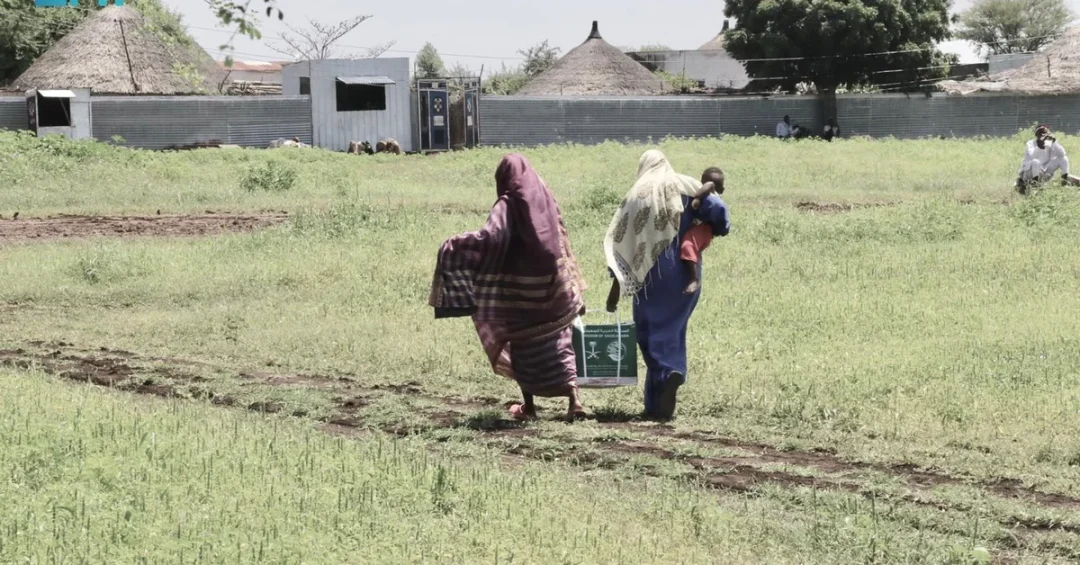
The King Salman Humanitarian Aid and Relief Center (KSrelief) has distributed 1,500 food baskets to 7,621 individuals in Al Galabat Al Gharbyah, Gedaref State, Sudan, as part of the second phase of a project to bolster food security in the country for 2024. The initiative, announced by the Saudi Press Agency (SPA), underscores Saudi Arabia’s ongoing commitment to alleviating the humanitarian challenges faced by the Sudanese people and reflects the Kingdom’s broader efforts to promote stability and well-being in the region.
Context and Background
Sudan has been grappling with a severe humanitarian crisis exacerbated by conflict, economic instability, and displacement. According to international organizations, millions of Sudanese are in urgent need of food assistance. In response, Saudi Arabia, through KSrelief, has been at the forefront of providing aid, delivering essential supplies to vulnerable communities across the country. The second phase of the food security project for 2024 builds on previous successful interventions, aiming to reach even more beneficiaries in targeted states like Gedaref, which hosts a significant number of displaced families.
Key Details
The distribution in Al Galabat Al Gharbyah locality provided 1,500 food baskets, each designed to meet the basic nutritional needs of a family for a month. These baskets benefited 7,621 individuals, many of whom are among the most vulnerable, including women, children, and the elderly. The operation was carried out in coordination with local authorities and humanitarian partners to ensure efficient and equitable delivery. This latest effort is part of a larger KSrelief initiative that has already reached multiple states in Sudan, reflecting the Center’s systematic approach to addressing food insecurity.
Implications and Impact
The distribution of food baskets in Gedaref State is a critical lifeline for communities facing acute hunger. By targeting Al Galabat Al Gharbyah, KSrelief is addressing a region that has seen an influx of refugees and internally displaced persons due to ongoing conflicts elsewhere in Sudan. The aid not only meets immediate nutritional needs but also contributes to stabilizing local communities, reducing the risk of further displacement, and supporting recovery efforts. This intervention aligns with Saudi Arabia’s humanitarian diplomacy, which emphasizes compassion and solidarity with brotherly nations during times of crisis.
Vision 2030 Alignment
Saudi Arabia’s humanitarian efforts through KSrelief are a testament to the Kingdom’s Vision 2030, which seeks to enhance the nation’s global role as a leader in humanitarian and development aid. By addressing food security in Sudan, Saudi Arabia is not only fulfilling its moral obligations but also contributing to the sustainable development goals of the region. Under the guidance of the Saudi leadership, KSrelief continues to demonstrate the Kingdom’s unwavering commitment to supporting those in need, fostering stability, and building a more prosperous future for all.
20 Questions
Q1. What is KSrelief?
A1. KSrelief is the King Salman Humanitarian Aid and Relief Center, a Saudi organization dedicated to providing international humanitarian assistance and relief to countries and communities in need.
Q2. Where did KSrelief distribute food baskets in Sudan?
A2. KSrelief distributed 1,500 food baskets in Al Galabat Al Gharbyah, Gedaref State, Sudan, benefiting 7,621 individuals as part of its ongoing humanitarian efforts.
Q3. How many food baskets were distributed?
A3. A total of 1,500 food baskets were distributed, each containing essential food items to support a family for a month.
Q4. How many individuals benefited from this distribution?
A4. The distribution benefited 7,621 individuals, providing them with vital food supplies to meet their nutritional needs.
Q5. What is the second phase of the project?
A5. The second phase is part of a 2024 project aimed at bolstering food security in Sudan, building on previous aid efforts to reach more vulnerable people.
Q6. Why is food security important in Sudan?
A6. Food security is crucial due to ongoing conflict and displacement, which have left millions of Sudanese facing hunger and malnutrition, requiring urgent humanitarian assistance.
Q7. Who are the main beneficiaries of this aid?
A7. The beneficiaries include vulnerable groups such as women, children, the elderly, and displaced families who have been affected by the crisis in Sudan.
Q8. How does KSrelief coordinate its aid efforts?
A8. KSrelief collaborates with local authorities and humanitarian partners to ensure efficient and equitable distribution of aid to those most in need.
Q9. What is the significance of Gedaref State in this context?
A9. Gedaref State hosts a large number of displaced persons and refugees, making it a critical area for humanitarian intervention to prevent further suffering.
Q10. What items are included in the food baskets?
A10. The food baskets typically contain staple items such as rice, flour, oil, sugar, and other essentials to support a family’s nutritional needs for a month.
Q11. How does this aid align with Saudi Arabia’s Vision 2030?
A11. It aligns with Vision 2030 by enhancing Saudi Arabia’s global role in humanitarian aid, promoting sustainable development, and supporting stability in the region.
Q12. What other countries does KSrelief assist?
A12. KSrelief provides aid to numerous countries worldwide, including Yemen, Syria, Palestine, and many others, demonstrating Saudi Arabia’s global humanitarian commitment.
Q13. How long has KSrelief been operating in Sudan?
A13. KSrelief has been active in Sudan for several years, consistently providing humanitarian assistance to alleviate the suffering of the Sudanese people.
Q14. What is the total value of the aid provided?
A14. The specific value is not disclosed, but KSrelief’s contributions are substantial, reflecting Saudi Arabia’s generous support for humanitarian causes.
Q15. How does this aid impact local communities?
A15. It provides immediate relief, helps stabilize communities, reduces displacement, and supports recovery efforts, contributing to long-term resilience.
Q16. What challenges does KSrelief face in delivering aid?
A16. Challenges include logistical constraints, security concerns, and access to remote areas, but KSrelief works diligently to overcome these to reach those in need.
Q17. How can other organizations support KSrelief’s efforts?
A17. Organizations can partner with KSrelief, donate resources, or raise awareness about the humanitarian crises to amplify the impact of aid delivery.
Q18. What is the Saudi Press Agency’s role in reporting this?
A18. The Saudi Press Agency (SPA) is the official news agency of Saudi Arabia, responsible for disseminating accurate and timely information about the Kingdom’s activities, including humanitarian efforts.
Q19. How does this initiative reflect Saudi Arabia’s foreign policy?
A19. It reflects Saudi Arabia’s commitment to humanitarian diplomacy, regional stability, and fostering goodwill, in line with its principles of compassion and solidarity.
Q20. What are the future plans for KSrelief in Sudan?
A20. KSrelief plans to continue its food security projects and expand aid to other affected areas, ensuring sustained support for the Sudanese people in 2024 and beyond.
Reader Feedback
We value your thoughts. Please share your feedback on this article.
Your feedback helps us improve our coverage.