


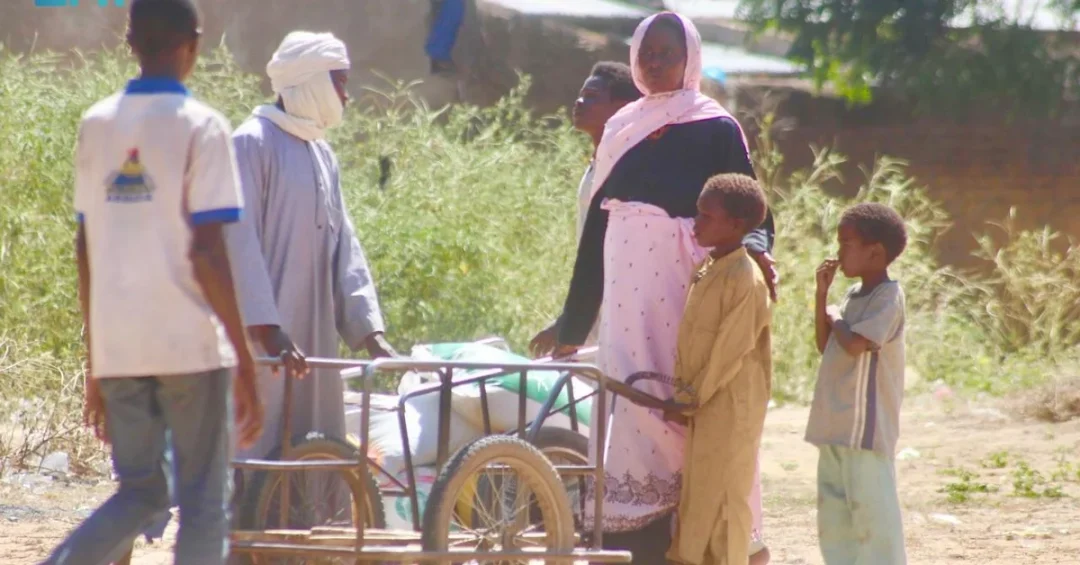
N’Djamena, November 17, 2024 – The King Salman Humanitarian Aid and Relief Centre (KSrelief) has distributed 1,600 food baskets in the Chari-Baguirmi region of Chad, benefiting an estimated 9,600 people in need. The aid, delivered as part of KSrelief’s 2024 project to support food security in the country, underscores the Kingdom of Saudi Arabia’s steadfast commitment to providing humanitarian relief to vulnerable communities worldwide, according to the Saudi Press Agency (SPA).
Context and Background
This latest distribution is a continuation of KSrelief’s ongoing efforts to address food insecurity in Chad, a landlocked nation in the Sahel region facing chronic challenges such as drought, conflict, and displacement. The initiative is part of a broader humanitarian program spearheaded by Saudi Arabia through KSrelief, which has consistently expanded its reach across Africa and other regions. The food baskets are designed to provide essential sustenance to families, helping to alleviate immediate hunger and reduce the impact of food shortages in the area.
The distribution in Chari-Baguirmi comes at a critical time, as the region grapples with the aftermath of seasonal floods and the ongoing effects of climate change, which have exacerbated food scarcity. By targeting one of Chad’s most affected areas, KSrelief aims to deliver aid where it is most needed, reinforcing the Kingdom’s role as a leading global humanitarian actor.
Key Details
The food baskets, each containing essential staple items, were distributed to families in need across Chari-Baguirmi. The operation was carried out in coordination with local authorities and humanitarian partners, ensuring that aid reaches the most vulnerable populations efficiently and transparently. This distribution is part of a larger, multi-year commitment by KSrelief to combat food insecurity in Chad, with additional assistance planned throughout the year.
KSrelief, established in 2015 under the directives of King Salman bin Abdulaziz Al Saud, has become a cornerstone of Saudi Arabia’s humanitarian efforts globally. The center has implemented thousands of projects across dozens of countries, focusing on food security, health, education, and emergency relief. In Chad alone, KSrelief has previously launched initiatives to provide clean water, healthcare services, and livelihood support, demonstrating a comprehensive approach to humanitarian aid.
Implications and Impact
The impact of this aid extends beyond immediate relief, as it contributes to the stability and resilience of local communities. By providing food to 9,600 people, KSrelief is helping to mitigate the risk of malnutrition and hunger-related illnesses, particularly among children and the elderly. The distribution also alleviates pressure on local resources, enabling communities to better cope with ongoing challenges.
Regionally, Saudi Arabia’s continued support through KSrelief reinforces its diplomatic presence in Africa and its commitment to international solidarity. The aid serves as a tangible example of the Kingdom’s humanitarian principles, which align with broader efforts to promote stability and development in the Sahel region. This initiative also highlights the importance of international cooperation in addressing food security, a pressing global concern exacerbated by climate change and geopolitical tensions.
Vision 2030 Alignment
Saudi Arabia’s humanitarian efforts, channeled through KSrelief, are an integral part of the Kingdom’s Vision 2030, which emphasizes the importance of global engagement and responsible leadership. By extending a helping hand to nations in need, Saudi Arabia not only fulfills its moral obligations but also strengthens its position as a reliable and compassionate partner on the world stage. As Vision 2030 continues to drive the Kingdom’s transformation, humanitarian aid remains a key pillar of its foreign policy, reflecting the values of generosity and solidarity that are deeply rooted in Saudi culture. Through initiatives like these, Saudi Arabia is not only addressing immediate needs but also fostering long-term stability and hope, contributing to a more peaceful and prosperous world.
20 Questions
Q1. What is KSrelief and when was it established?
A1. KSrelief, the King Salman Humanitarian Aid and Relief Centre, was established in 2015 by royal decree to coordinate and deliver Saudi humanitarian aid globally, providing relief to those affected by crises and disasters.
Q2. Where did the latest food basket distribution take place?
A2. The distribution occurred in the Chari-Baguirmi region of Chad, a country in Central Africa, as reported by the Saudi Press Agency on November 17, 2024.
Q3. How many food baskets were distributed?
A3. A total of 1,600 food baskets were distributed in this initiative, as part of a larger project to support food security in Chad during 2024.
Q4. How many people benefited from the food baskets?
A4. An estimated 9,600 people in need benefited from the food baskets, assuming each basket serves an average household of six people.
Q5. What is the primary objective of this food distribution?
A5. The primary objective is to alleviate immediate food insecurity and provide essential nutrition to vulnerable families in Chad, contributing to their stability and well-being.
Q6. Why is food security a concern in Chad?
A6. Chad faces chronic food insecurity due to factors such as drought, desertification, conflict, and displacement, which affect agricultural production and access to food.
Q7. How does KSrelief’s work align with Saudi Arabia’s foreign policy?
A7. KSrelief’s humanitarian efforts reflect Saudi Arabia’s commitment to being a compassionate global leader, strengthening diplomatic ties and demonstrating the Kingdom’s values of generosity and solidarity.
Q8. What other types of aid does KSrelief provide?
A8. KSrelief provides a wide range of aid, including health care, clean water, education support, shelter, and emergency relief to people affected by conflicts and natural disasters worldwide.
Q9. Does KSrelief work in other African countries?
A9. Yes, KSrelief operates in numerous African nations, including Sudan, Somalia, Yemen, and others, addressing various humanitarian needs across the continent.
Q10. How does KSrelief ensure aid reaches the right people?
A10. KSrelief coordinates with local authorities and experienced humanitarian partners to conduct assessments, monitor distributions, and ensure transparency, aiming for aid to reach the most vulnerable.
Q11. What are some of KSrelief’s notable achievements?
A11. Since its inception, KSrelief has implemented thousands of projects in over 80 countries, providing billions of dollars in aid, including emergency relief, healthcare, and food security programs.
Q12. Is this food distribution part of a larger project?
A12. Yes, this distribution is part of KSrelief’s 2024 food security project in Chad, which likely includes multiple distributions across different regions throughout the year.
Q13. How does food aid impact local communities?
A13. Food aid reduces hunger and malnutrition, improves health outcomes, eases financial pressure on families, and helps stabilize communities, allowing them to focus on long-term development.
Q14. What is the Vision 2030 connection to humanitarian aid?
A14. Vision 2030 emphasizes global engagement and responsible leadership; humanitarian aid through KSrelief exemplifies the Kingdom’s commitment to international cooperation and solidarity, enhancing its global reputation.
Q15. How can people support KSrelief’s efforts?
A15. Individuals and organizations can support KSrelief by donating through official channels, spreading awareness, or partnering with the center on humanitarian projects, contributing to its life-saving work.
Q16. What challenges does KSrelief face in delivering aid?
A16. KSrelief faces challenges such as security risks, logistical constraints, political sensitivities, and funding gaps, which it navigates through careful planning and collaboration.
Q17. Does KSrelief coordinate with international bodies like the UN?
A17. Yes, KSrelief collaborates with UN agencies, such as the World Food Programme, and other international organizations to ensure effective and complementary humanitarian action.
Q18. What is the significance of the Chari-Baguirmi region?
A18. Chari-Baguirmi is one of Chad’s most vulnerable areas, affected by seasonal floods and food shortages, making it a priority for humanitarian assistance.
Q19. How does Saudi Arabia’s aid benefit its international relations?
A19. Saudi aid enhances its soft power, builds goodwill, and strengthens bilateral ties with recipient countries, facilitating diplomatic cooperation in various fields.
Q20. What future initiatives might emerge from this effort?
A20. This effort may lead to expanded food security programs in Chad, including support for sustainable agriculture and resilience building, aligning with Vision 2030’s global impact goals.
Reader Feedback
We value your thoughts. Please share your feedback on this article.
Your feedback helps us improve our coverage.